

India Skills Report 2026
India Skills Report 2026 shows employability rising to 56.35%, driven by tech skills, women’s participation, and a growing shift toward a skills-first workforce.
India Skills Report 2026 shows employability rising to 56.35%, driven by tech skills, women’s participation, and a growing shift toward a skills-first workforce.
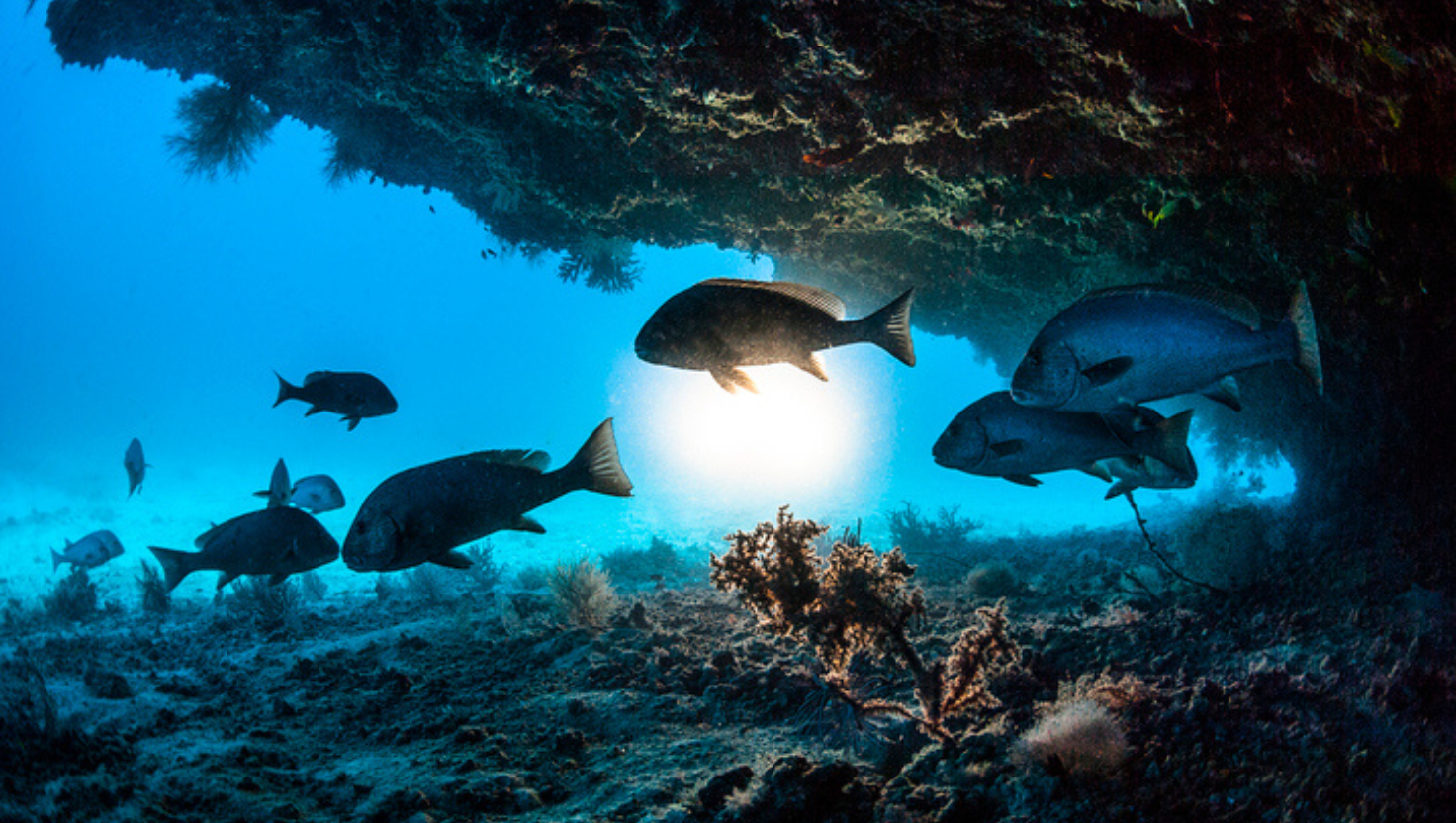
India launches its first digital, geo-tagged Marine Fisheries Census 2025 to map fisher livelihoods and boost sustainable blue economy planning.
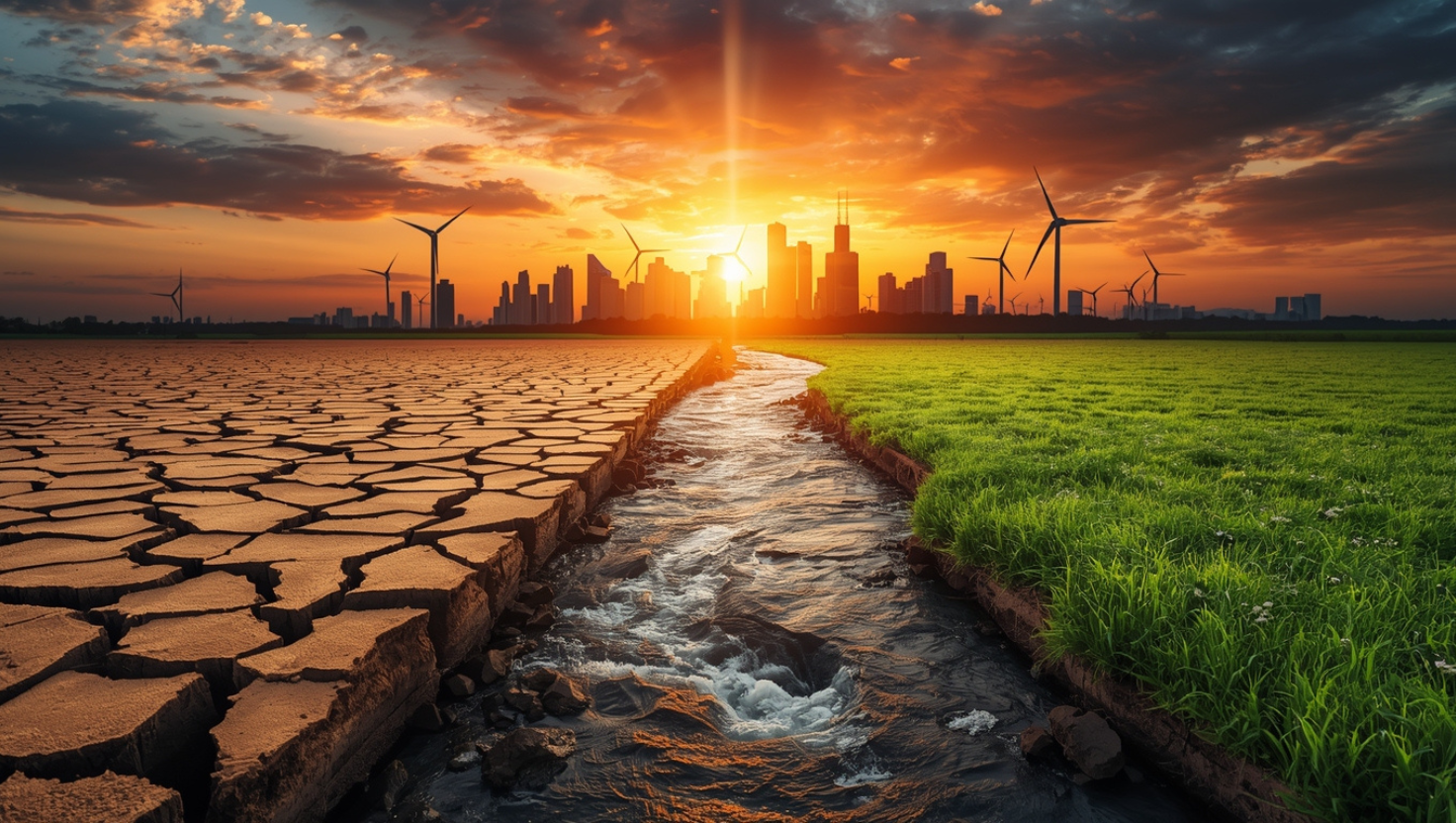
UNEP’s 2025 report warns adaptation finance lags far behind needs; urges grants, private investment, and global cooperation for resilience.
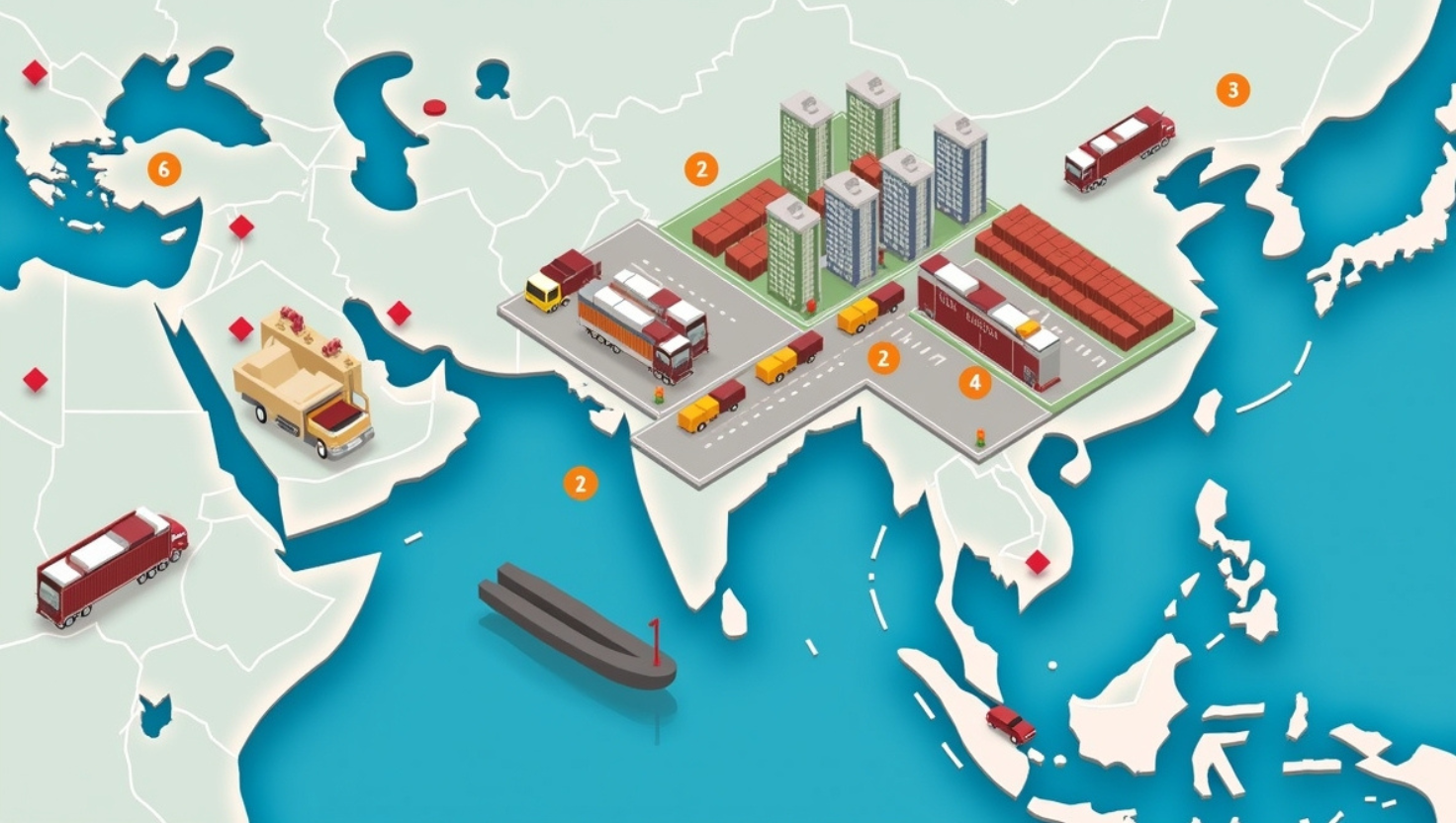
LEADS 2025 ranks Indian States on logistics efficiency, guiding infrastructure planning, policy reforms, and supply chain improvements for smoother trade.
The State Energy Efficiency Index 2024, released by BEE, tracks state progress in energy efficiency to support India’s net-zero 2070 vision.
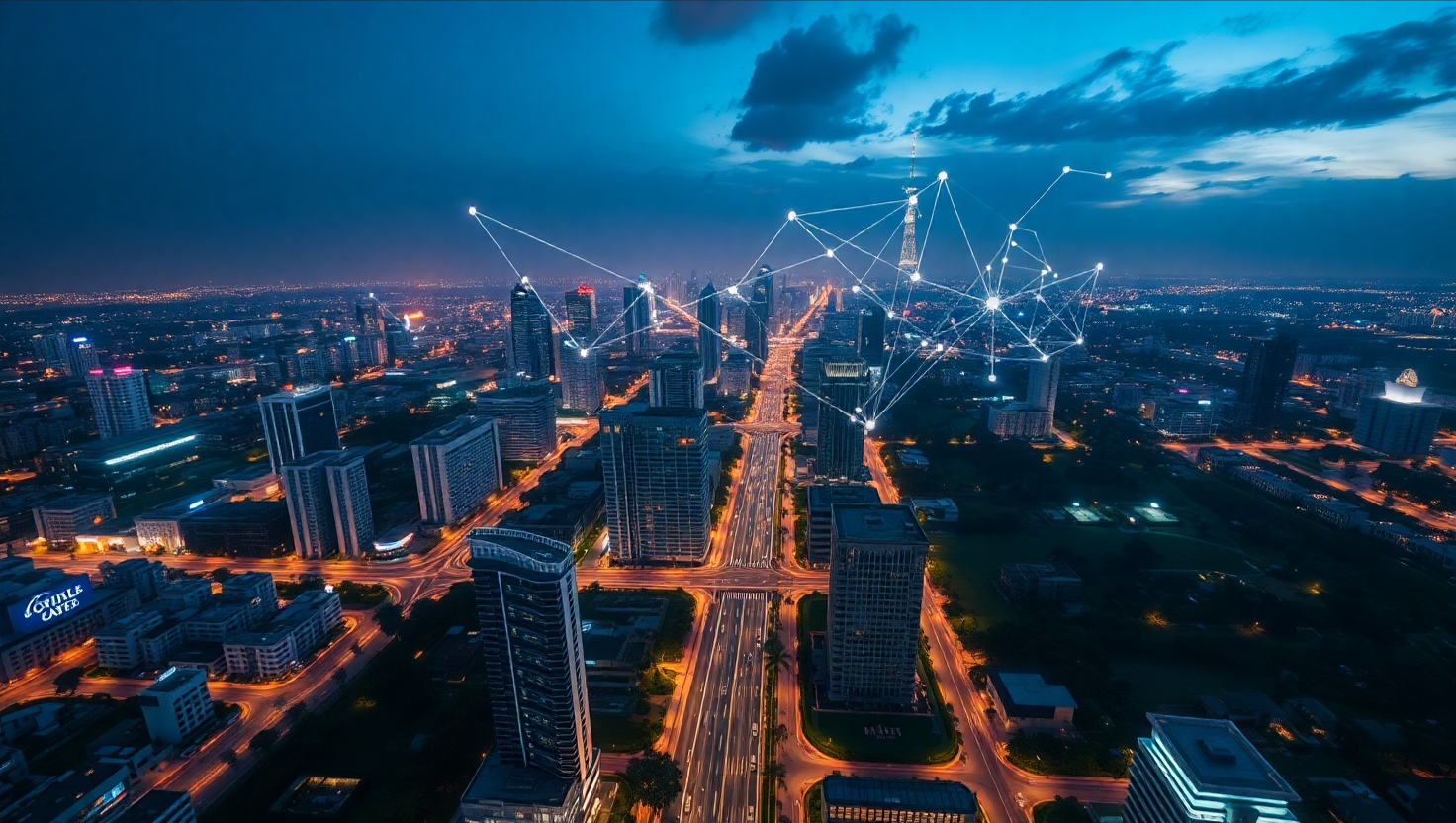
Bengaluru ranks 26th in Global Artificial Intelligence (AI) City Index 2025, emerging as India’s top AI hub in research and data infrastructure.
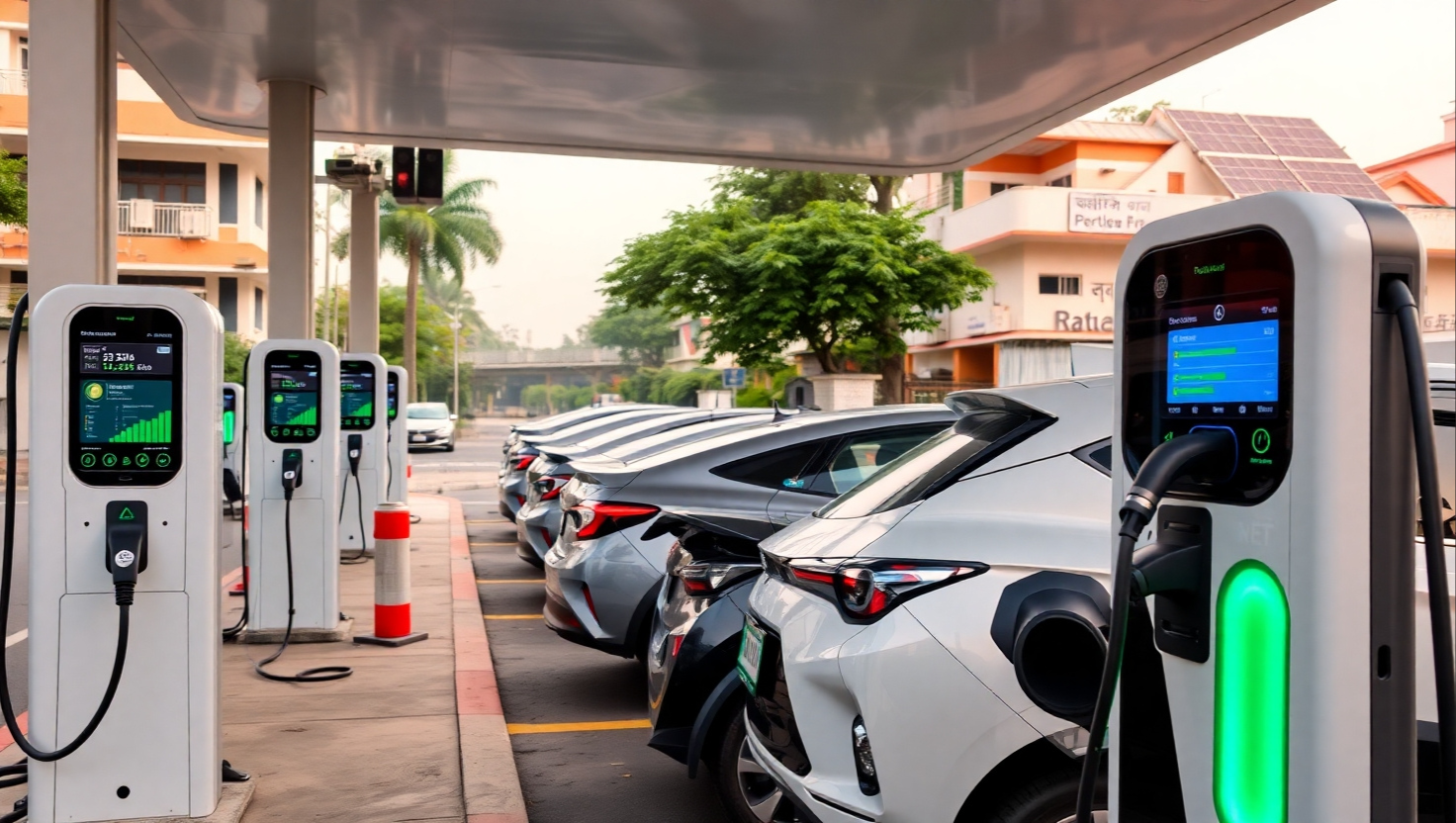
NITI Aayog launched the India Electric Mobility Index to rank States/UTs on EV adoption, infra readiness & innovation for green mobility.
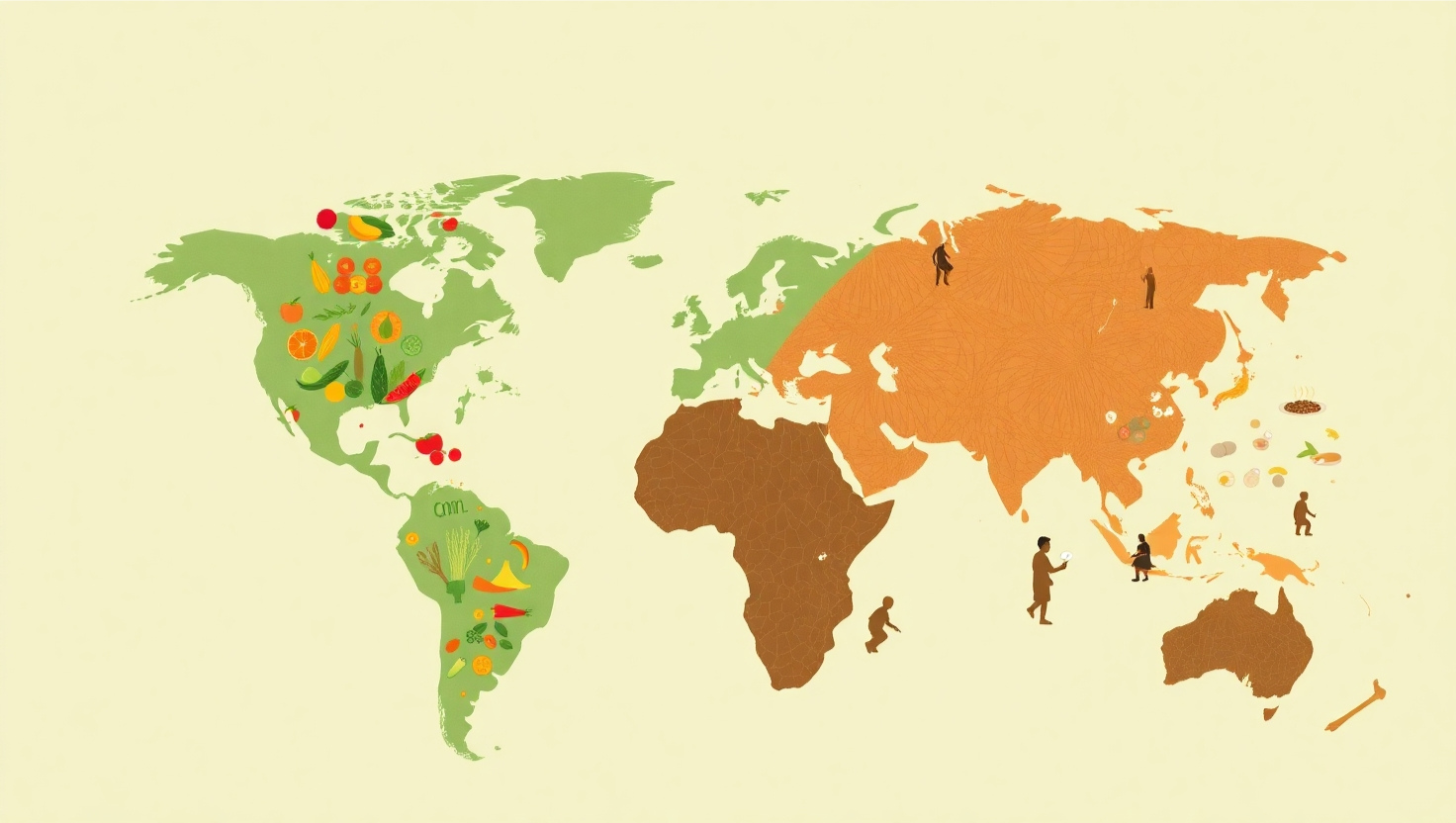
The SOFI 2025 report highlights global hunger, food insecurity, and India’s nutrition crisis, urging urgent reforms for SDG-2 progress.
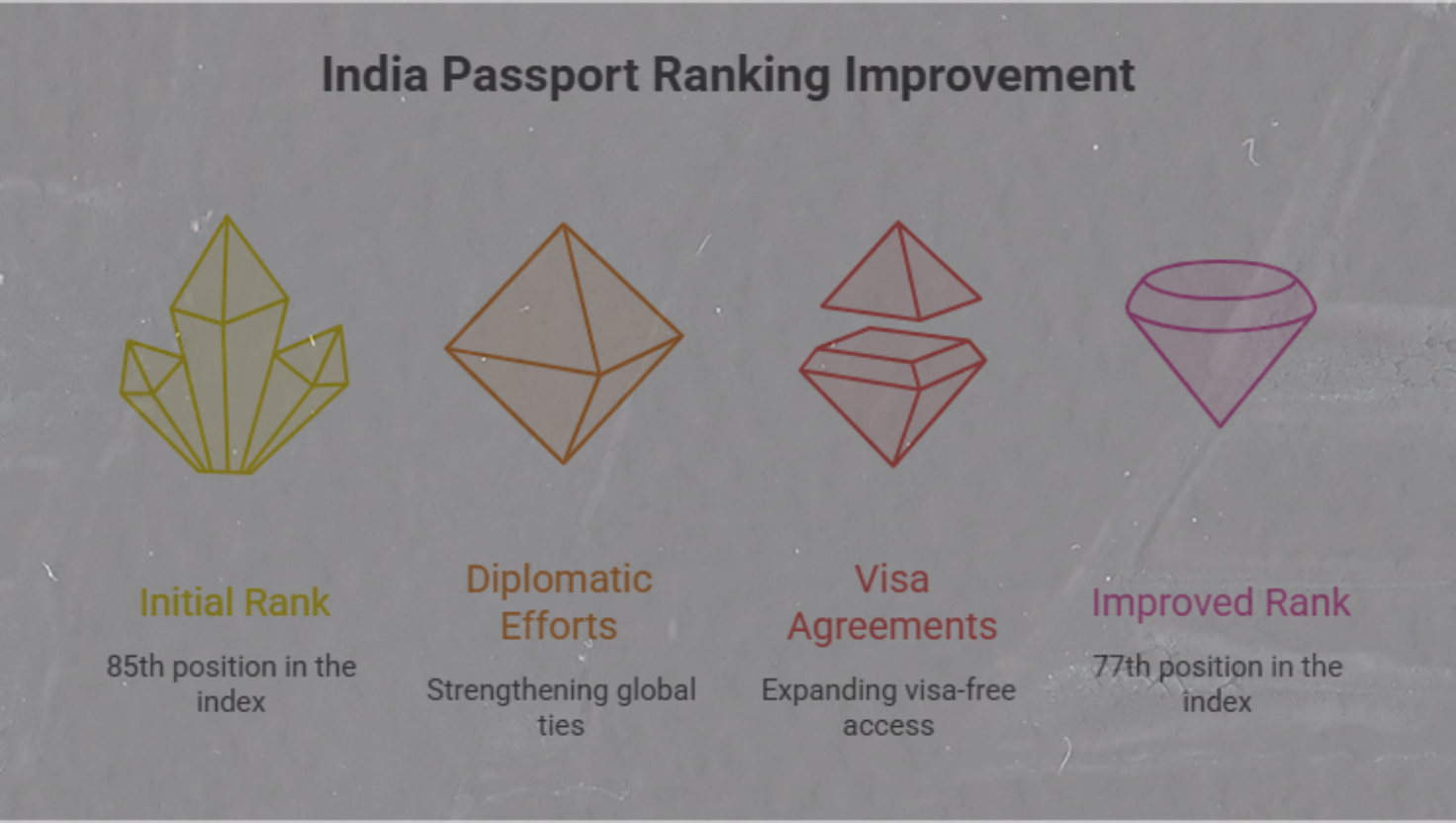
India ranks 77th in the Henley Passport Index 2025, its best-ever position, with visa-free or visa-on-arrival access to 59 countries.
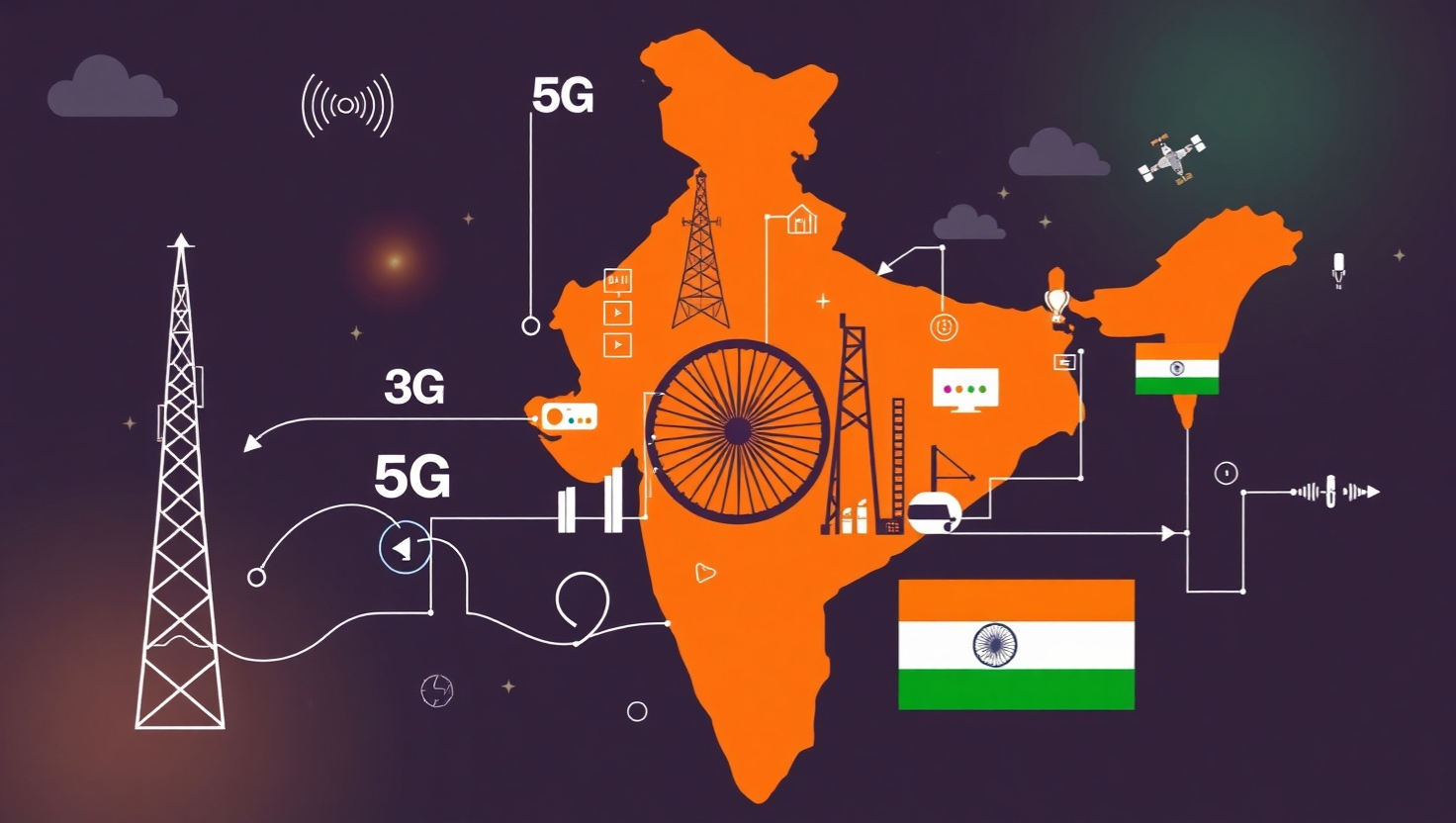
The Draft National Telecom Policy 2025 aims to boost self-reliance, expand 5G access, and promote innovation in India’s telecom sector.

UNEP Frontier Report 2025 reveals an 85% rise in heat-related deaths among the elderly since the 1990s, highlighting growing climate vulnerability.
PARAKH 2024 reveals major learning gaps in math, language, and science among students in Grades 3, 6, and 9, highlighting urgent reforms.
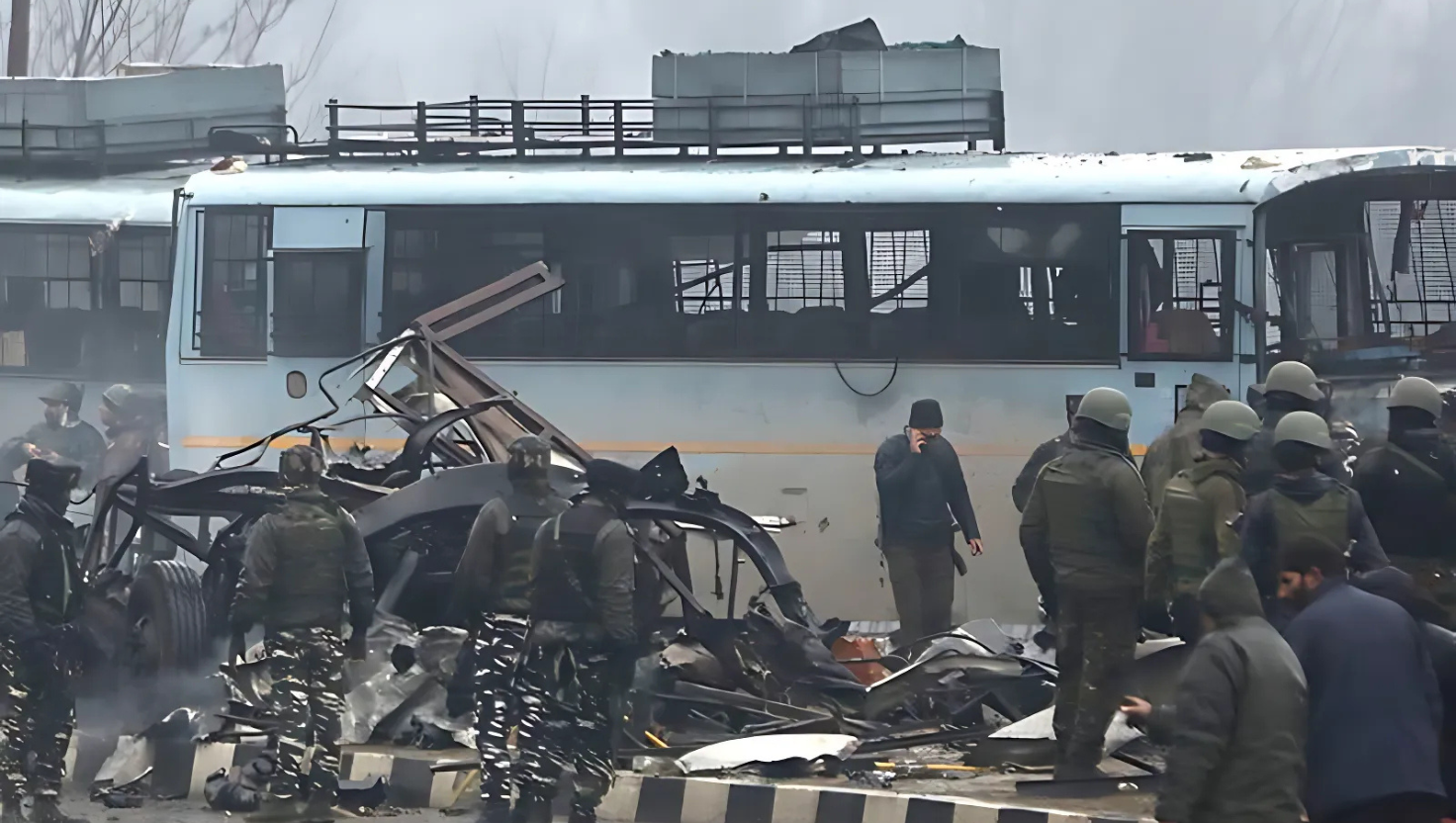
FATF’s 2025 Report reveals rising digital terror threats in India through crypto, VPNs, and e-commerce, urging stronger global regulations.
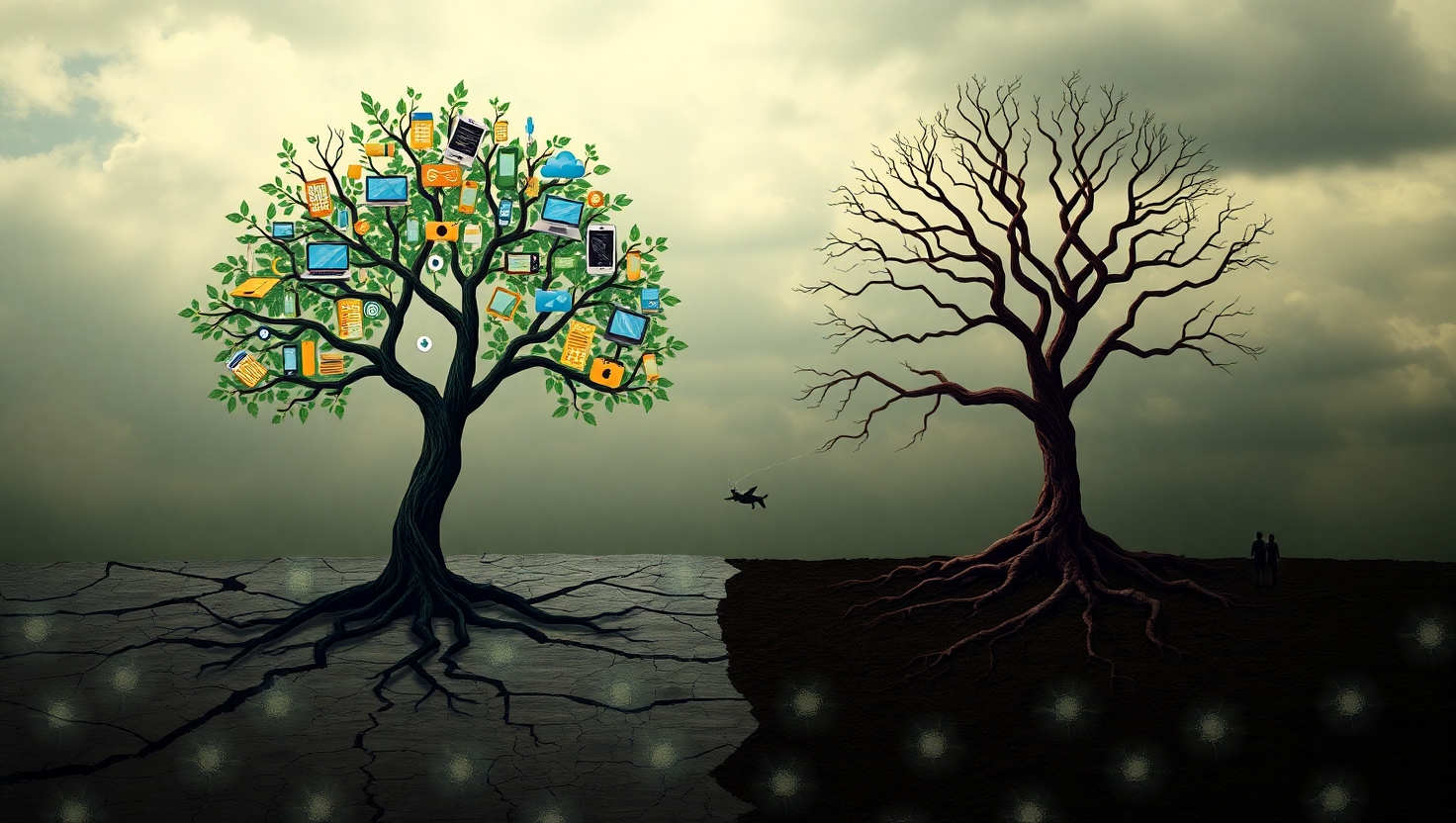
India’s Digital Divide reveals a shift from access to empowerment, highlighting gaps in skills, ownership, and gender-inclusive digital growth.
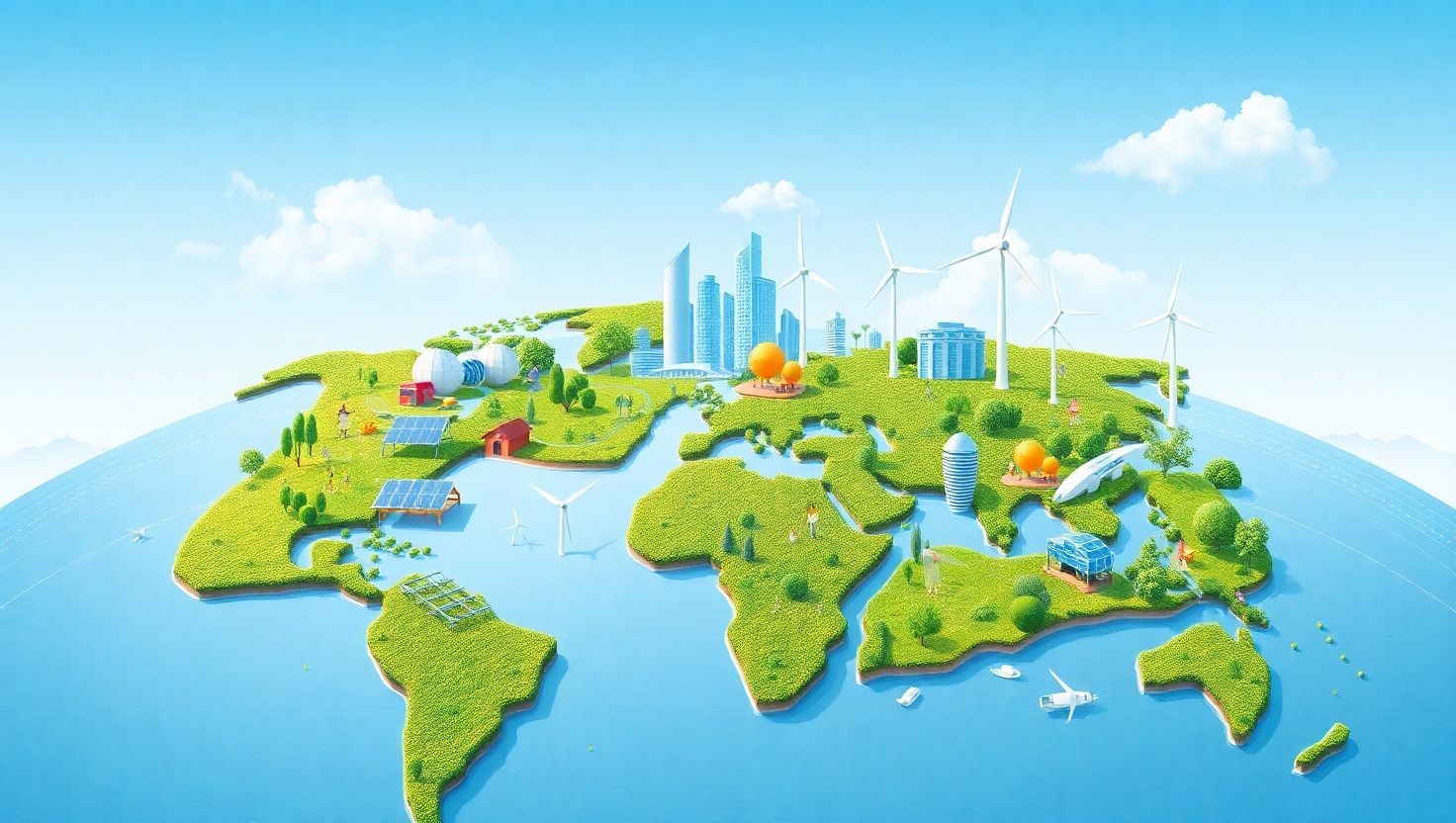
Syllabus: Sustainable Development & Governance GS III(UPSC) Source: NDTV Why In News: India has secured a position in the Top 100 (99th rank) for the first time in the Sustainable Development Report (SDR) 2025, released by the UN Sustainable Development Solutions Network (SDSN). This marks the 10th edition of the global report. What is the Sustainable Development Report (SDR)? Global Highlights from SDR 2025: Major Concerns Highlighted in SDR 2025: India’s Performance in SDR 2025: Recommendations for Achieving SDGs: Conclusion:
Ensuring Data Accuracy: Key Highlights from NITI Aayog’s Report Exam Relevance: Governance GS Paper II (UPSC) Source: Live Mint Why In News: NITI Aayog’s Report NITI Aayog has released its report titled “India’s Data Imperative: The Pivot Towards Quality”, highlighting the urgent need to improve the quality of public data in India to ensure better governance and service delivery. What is India’s Data Ecosystem? India’s data ecosystem includes digital infrastructure, platforms, and databases that support governance, welfare schemes, and financial
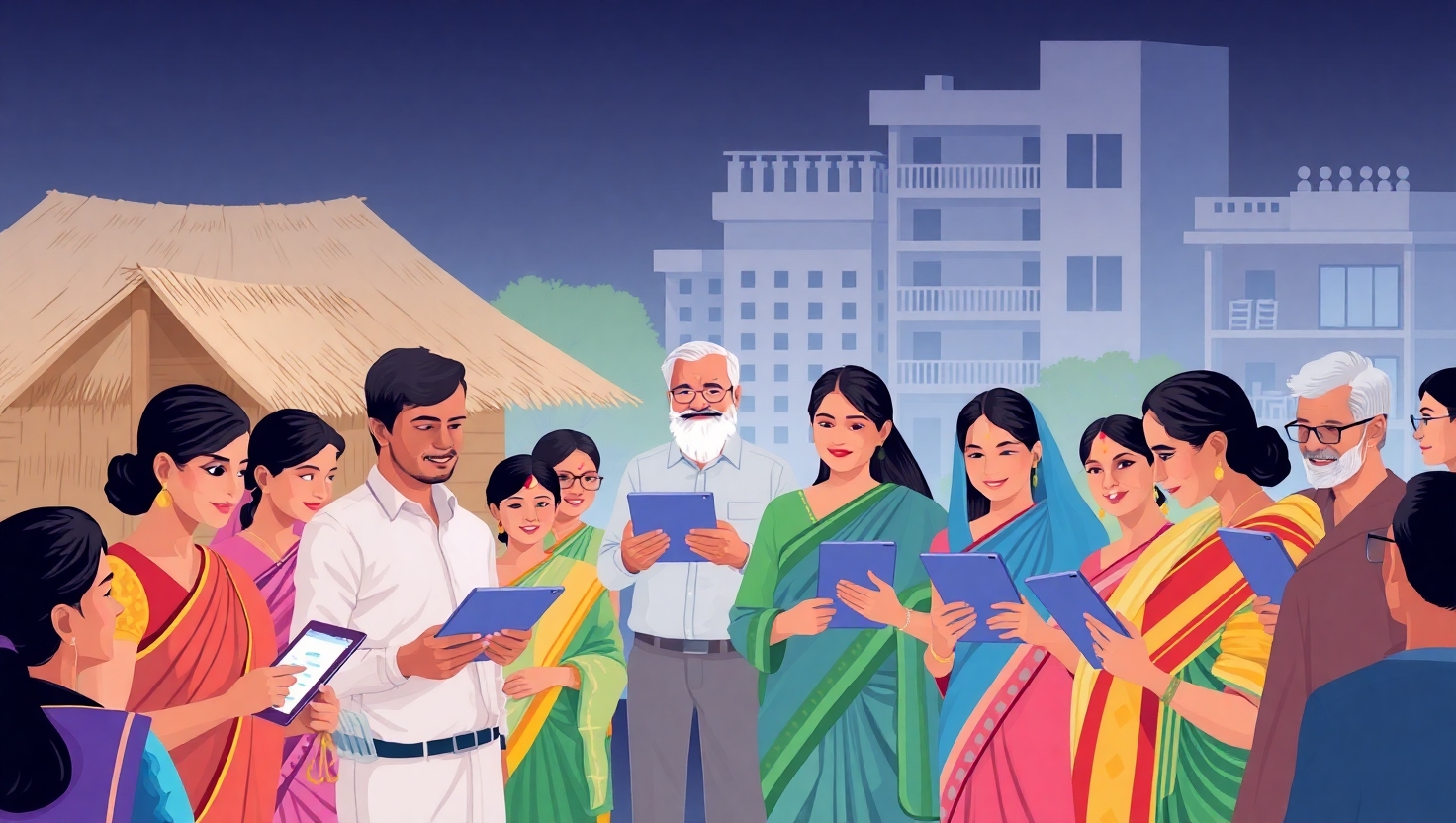
India’s First Comprehensive Household Income Survey – To Be Conducted in 2026 Source: Economic TimesCategory: Economy | Government Schemes | Data & Statistics Why In News: The Ministry of Statistics and Programme Implementation (MoSPI) has announced that India will conduct its first nationwide Household Income Survey in 2026 to collect accurate data on income distribution. What is the Household Income Survey? Ministries and Bodies Involved: Background & Past Attempts: Features of the 2026 Survey: Significance: Prelims Power Shots:

The geographical setting of ancient India shaped its political and
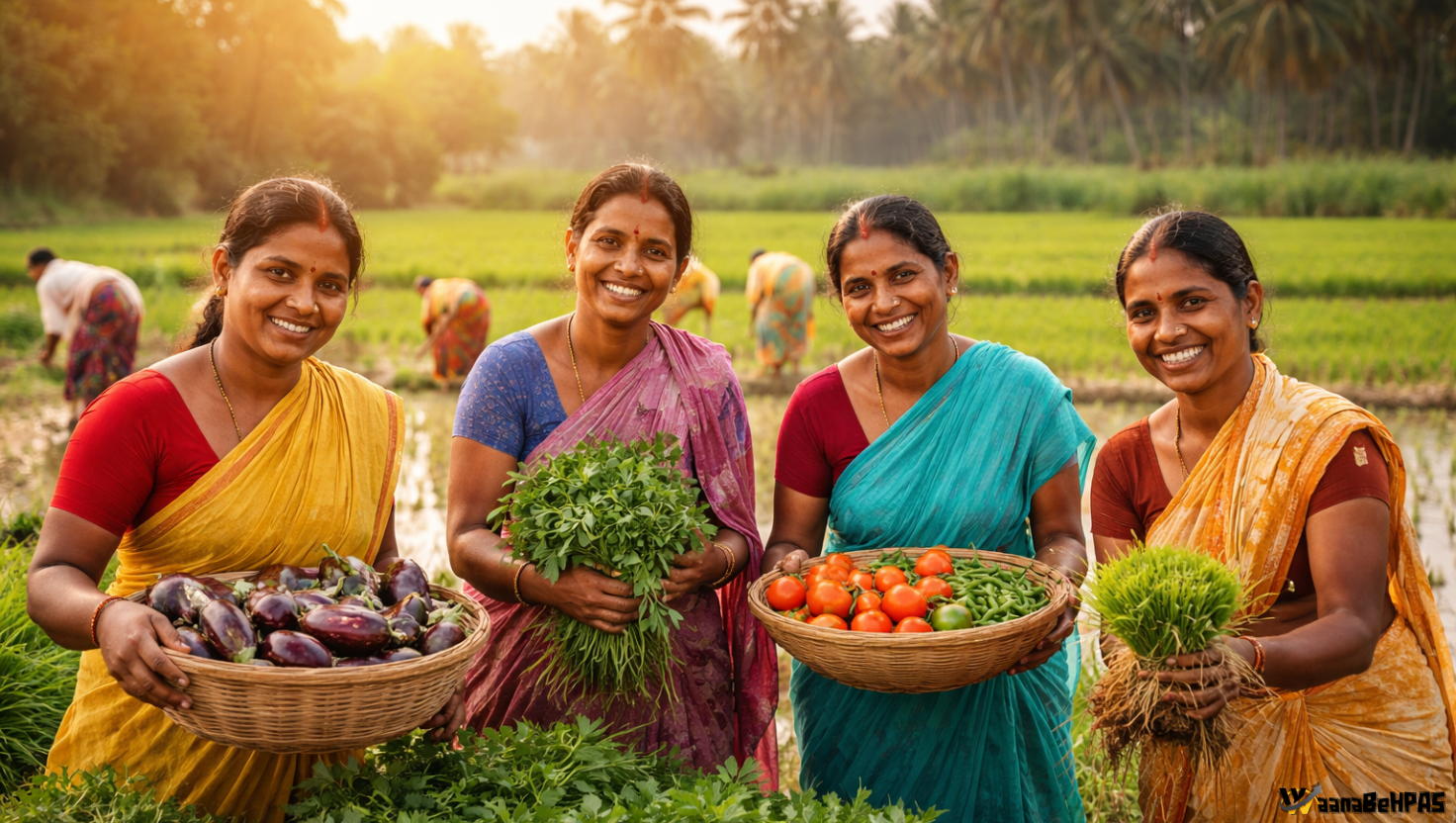
The Global Conference on Women in Agri-Food Systems (GCWAS-2026) highlights
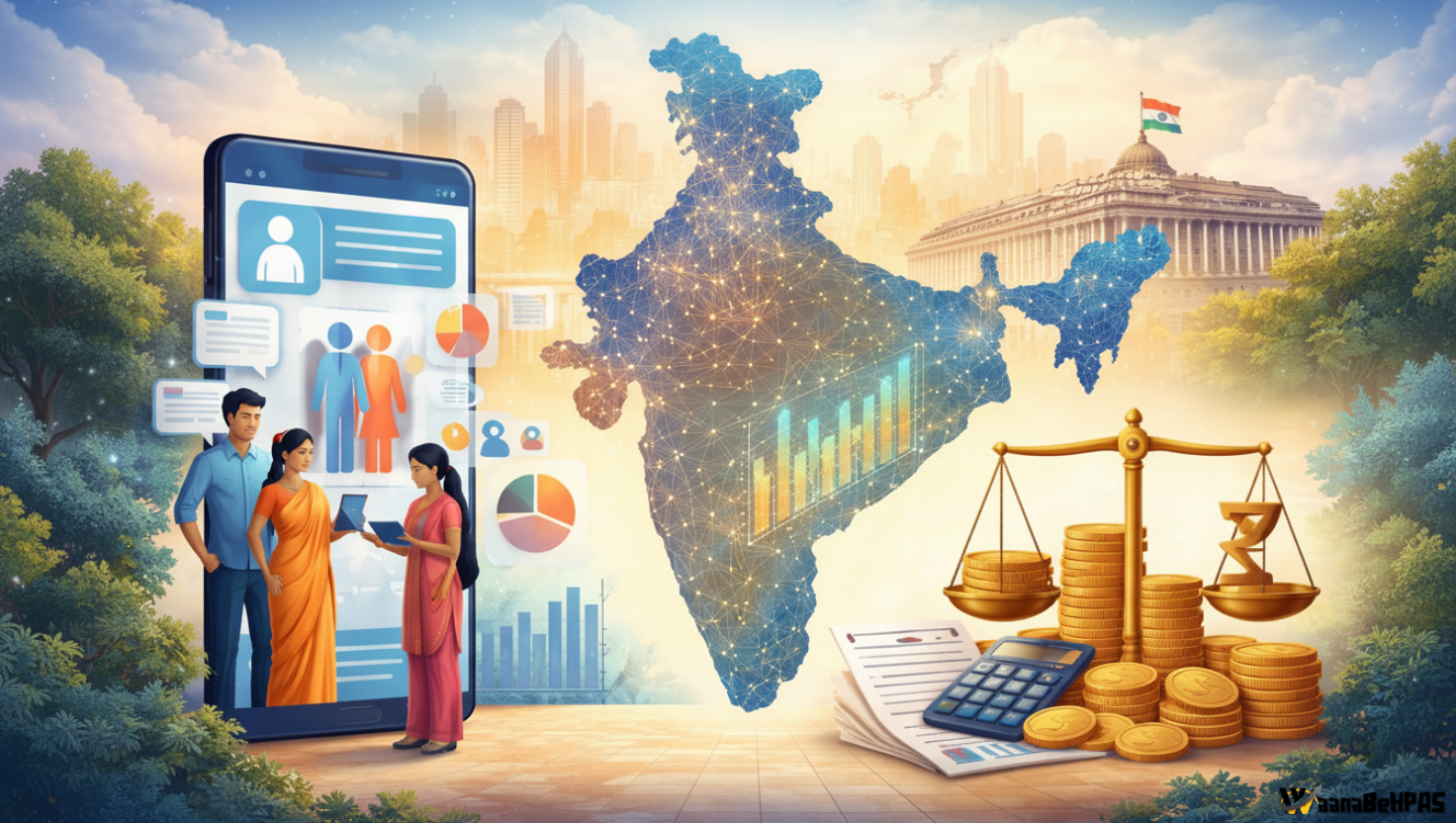
India is entering a new era of data-driven governance with

Rising tensions in West Asia threaten vital maritime trade routes,
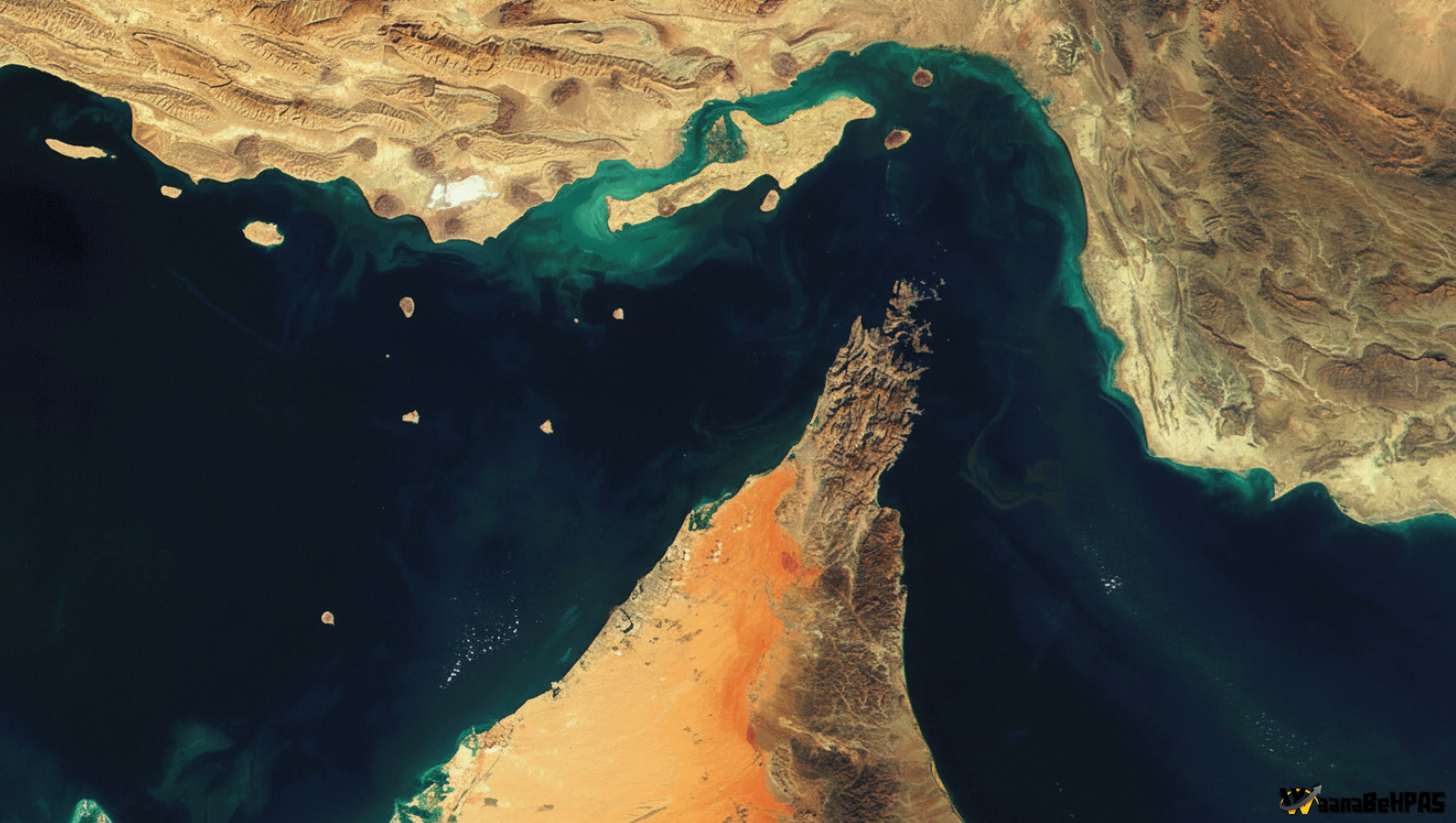
The Strait of Hormuz, the world’s most critical energy chokepoint,

The Israel–United States–Iran War (2026) erupted after joint U.S.–Israeli strikes