
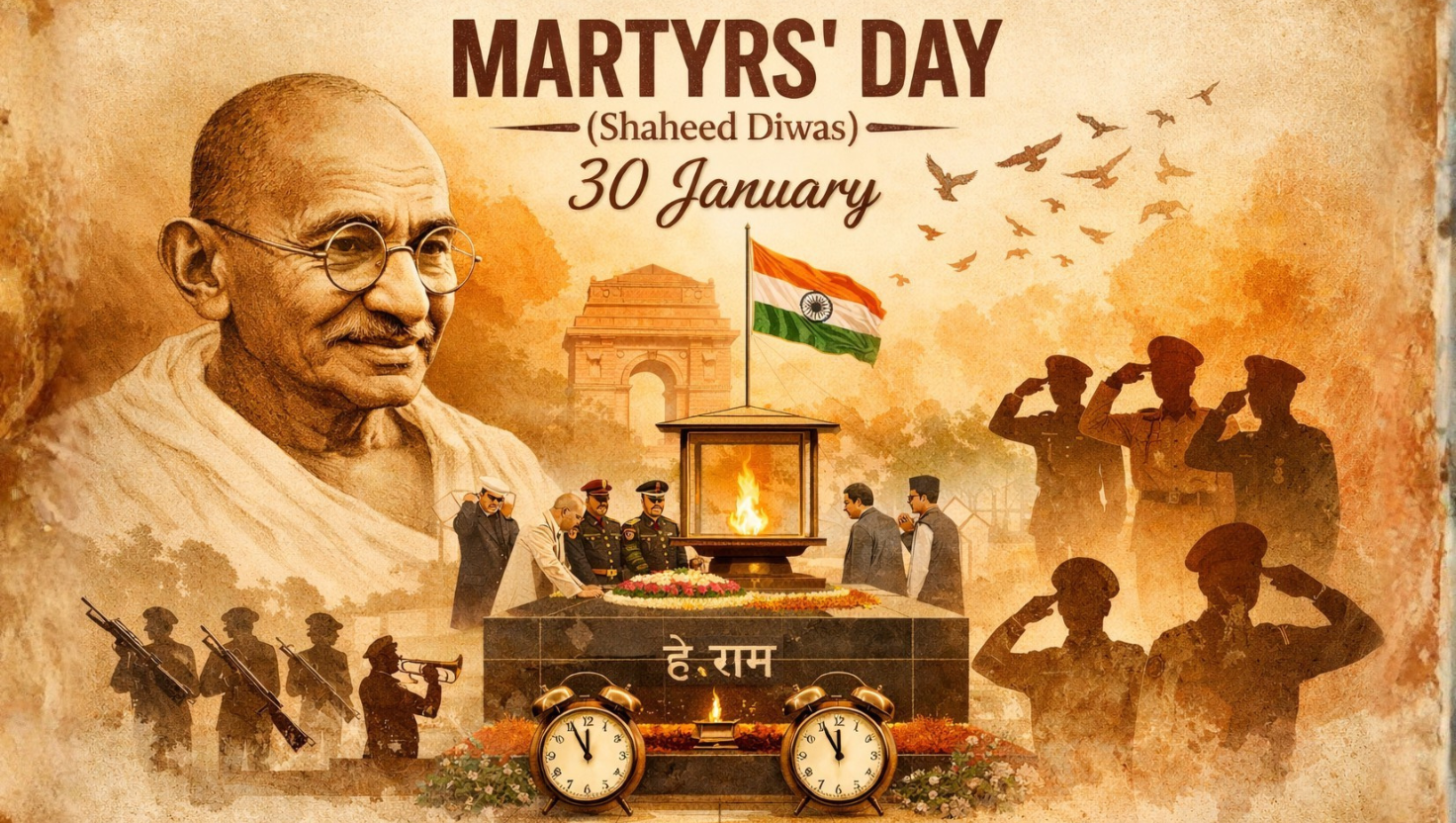
Martyrs’ Day (30 January)
Observed on 30 January, Martyrs’ Day honours Mahatma Gandhi and India’s freedom fighters. The nation pauses at 11 AM for two minutes of silence—reaffirming constitutional values, civic duty, and ethical governance.
Observed on 30 January, Martyrs’ Day honours Mahatma Gandhi and India’s freedom fighters. The nation pauses at 11 AM for two minutes of silence—reaffirming constitutional values, civic duty, and ethical governance.

World Heritage Day (18 April) highlights the need to protect cultural and natural heritage. India currently has 43 UNESCO World Heritage Sites, supported by major ASI and digital heritage initiatives.

Pi Day on 14 March celebrates the constant π, its scientific importance, and key contributions by Aryabhata and Ramanujan in its calculation.

World Sparrow Day (20 March) highlights the decline of sparrows and promotes conservation through urban greening, habitat protection, and public awareness.

Jan Aushadhi Diwas (7 March) promotes affordable, high-quality generic medicines under PMBJP, expanding access and reducing out-of-pocket healthcare costs.

World Orangutan Day 2025 highlights the urgent need to protect orangutans from deforestation, palm oil expansion, poaching, and illegal trade.

India celebrates International Tiger Day 2025, hosting 75% of the world’s wild tigers and leading global efforts in tiger conservation.

Census 2027 to be India’s first digital and inclusive census, featuring caste data, mobile app-based enumeration, and online self-enumeration.

The geographical setting of ancient India shaped its political and
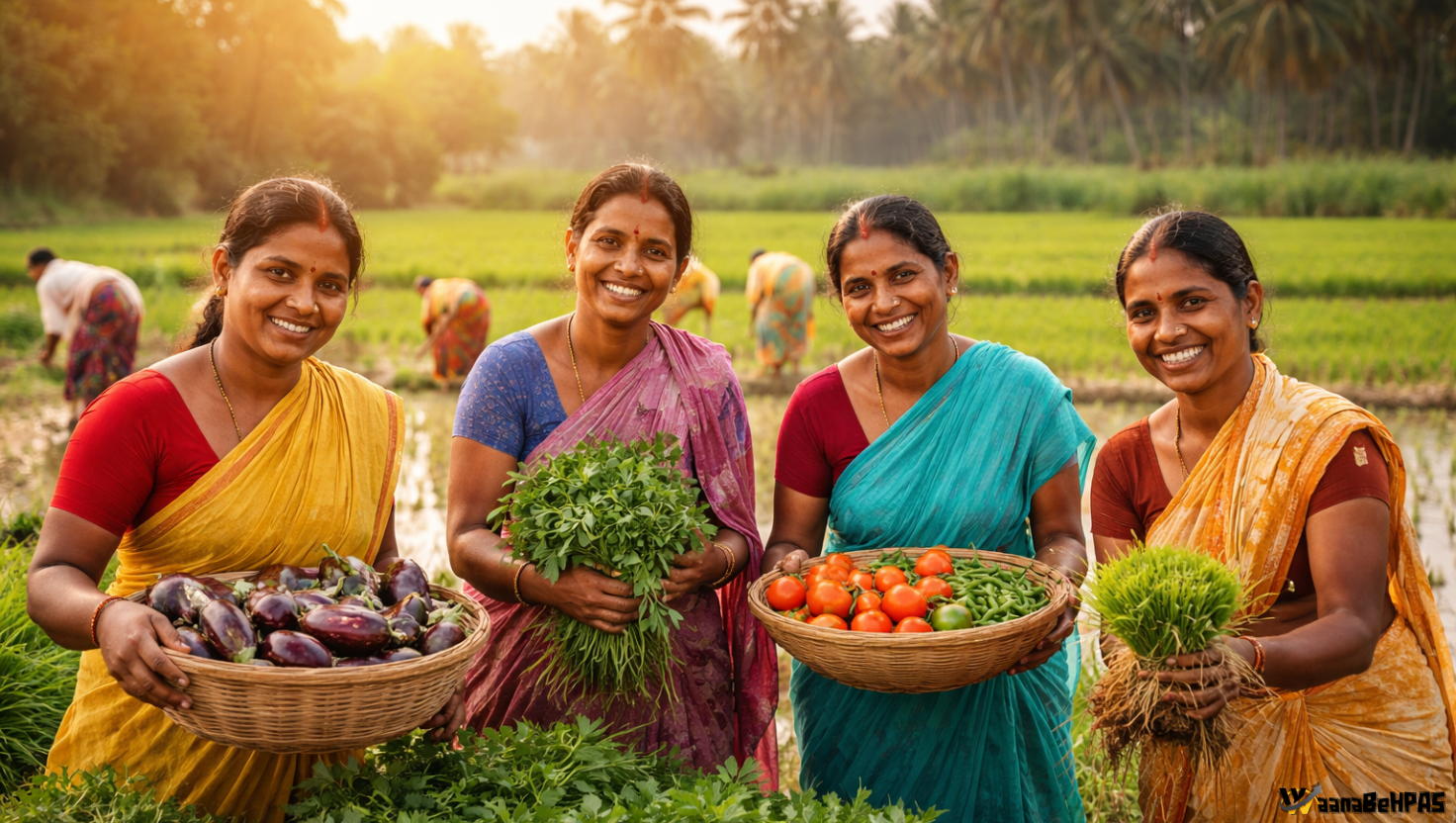
The Global Conference on Women in Agri-Food Systems (GCWAS-2026) highlights
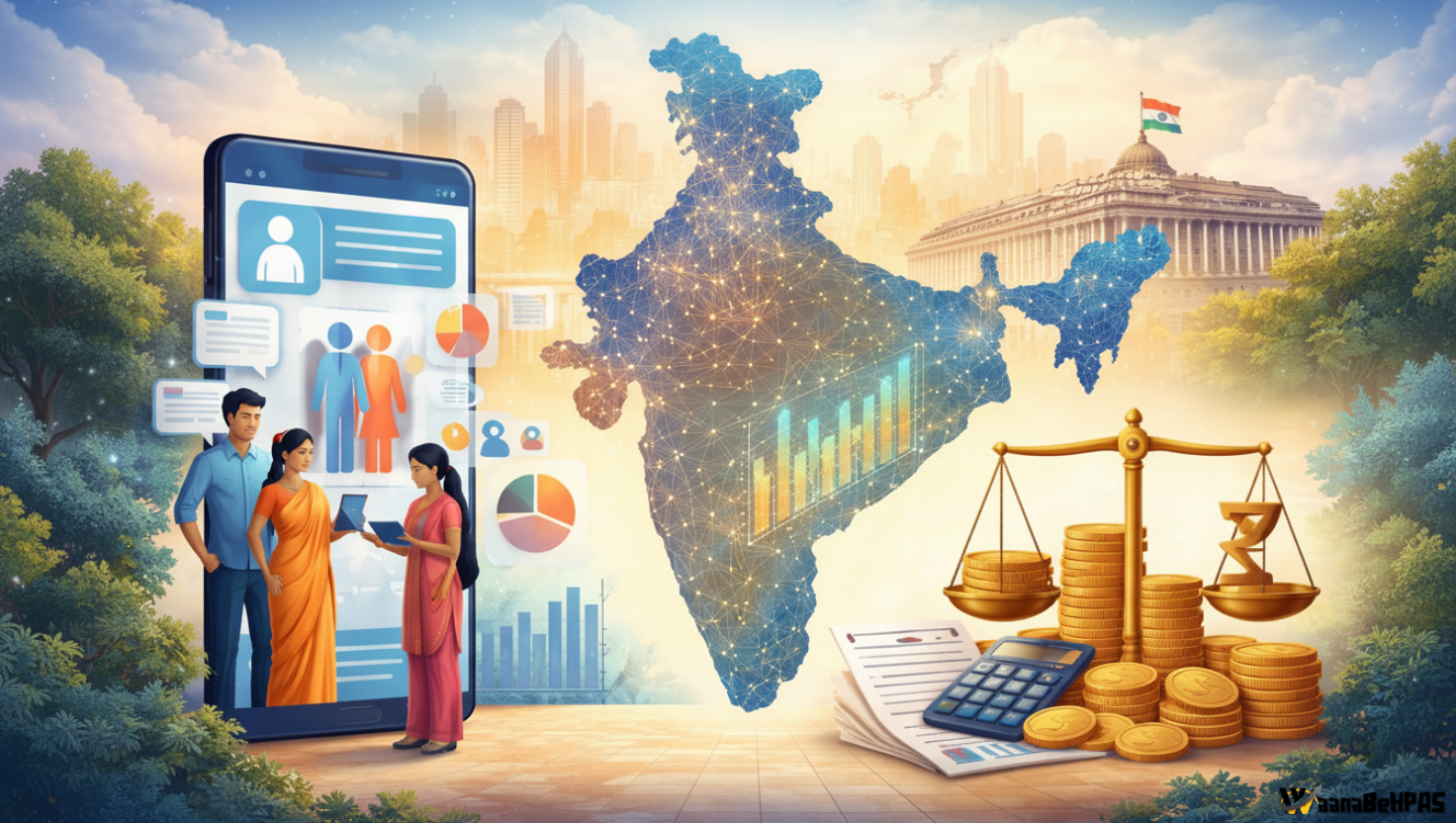
India is entering a new era of data-driven governance with

Rising tensions in West Asia threaten vital maritime trade routes,

The Strait of Hormuz, the world’s most critical energy chokepoint,

The Israel–United States–Iran War (2026) erupted after joint U.S.–Israeli strikes