
S.P. Mittal vs Union of India (1983)
SC held Sri Aurobindo Society not a religious denomination; upheld Auroville Act, 1980 as valid and non-violative of fundamental rights.
SC held Sri Aurobindo Society not a religious denomination; upheld Auroville Act, 1980 as valid and non-violative of fundamental rights.

Landmark case expanding Article 21; established the Golden Triangle of Articles 14, 19 & 21, ensuring fair, just, and reasonable laws.
The Brij Bhushan case (1950) upheld press freedom, ruling that pre-censorship violates Article 19(1)(a) unless justified by public order.
The 1986 Bijoe Emmanuel vs State of Kerala case upheld the right to freedom of religion and expression, affirming that patriotism cannot be forced.
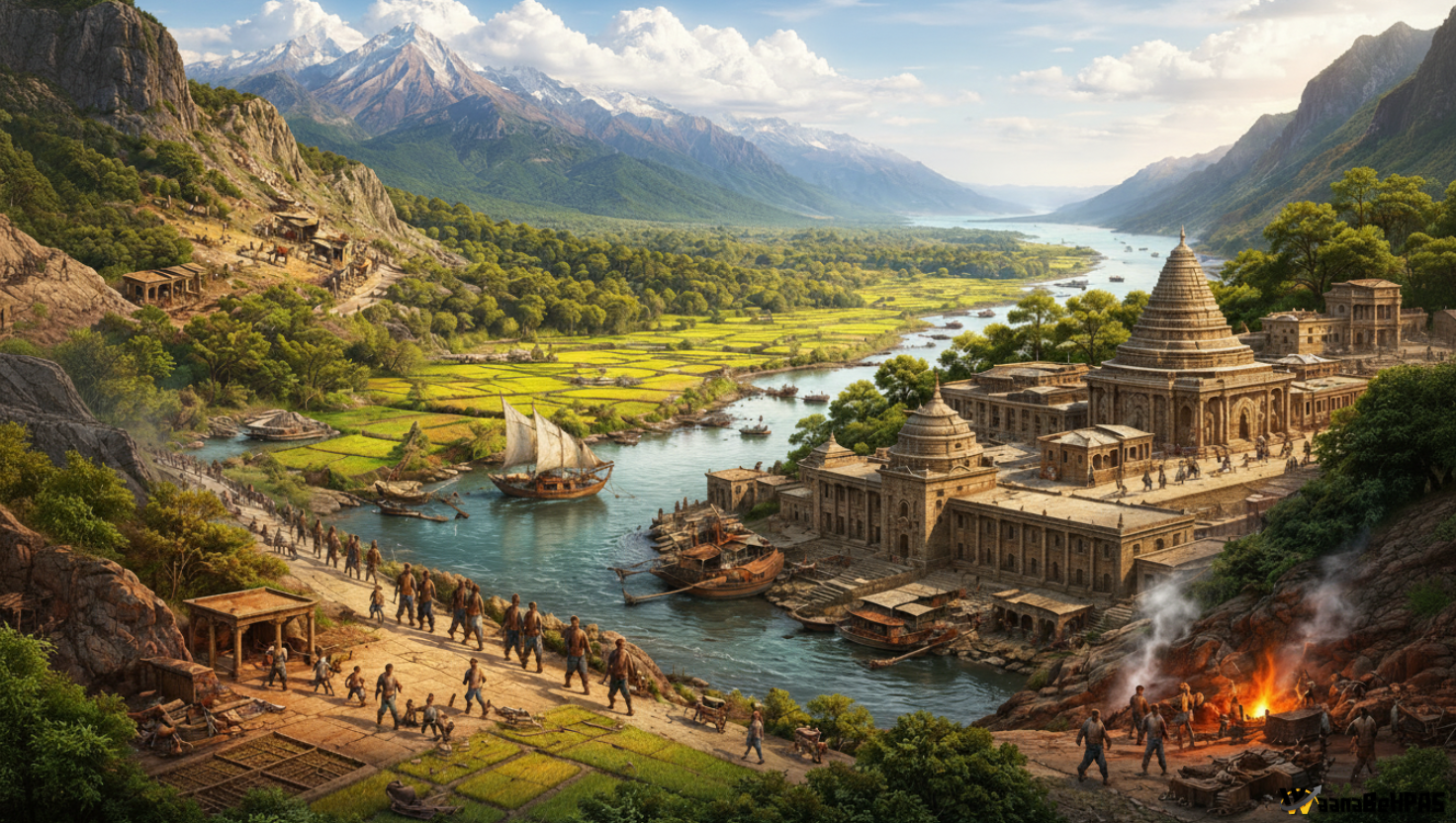
The geographical setting of ancient India shaped its political and
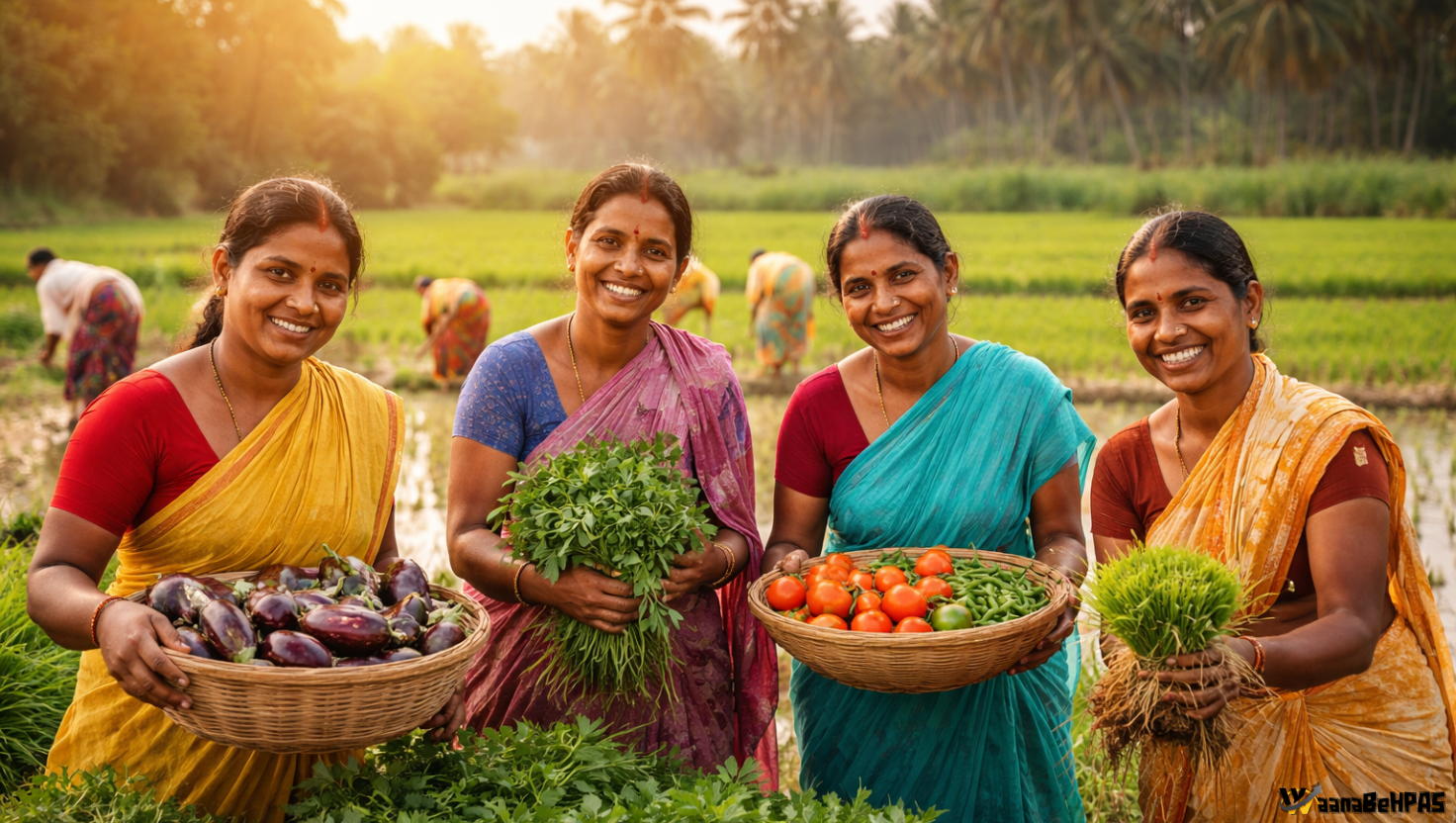
The Global Conference on Women in Agri-Food Systems (GCWAS-2026) highlights
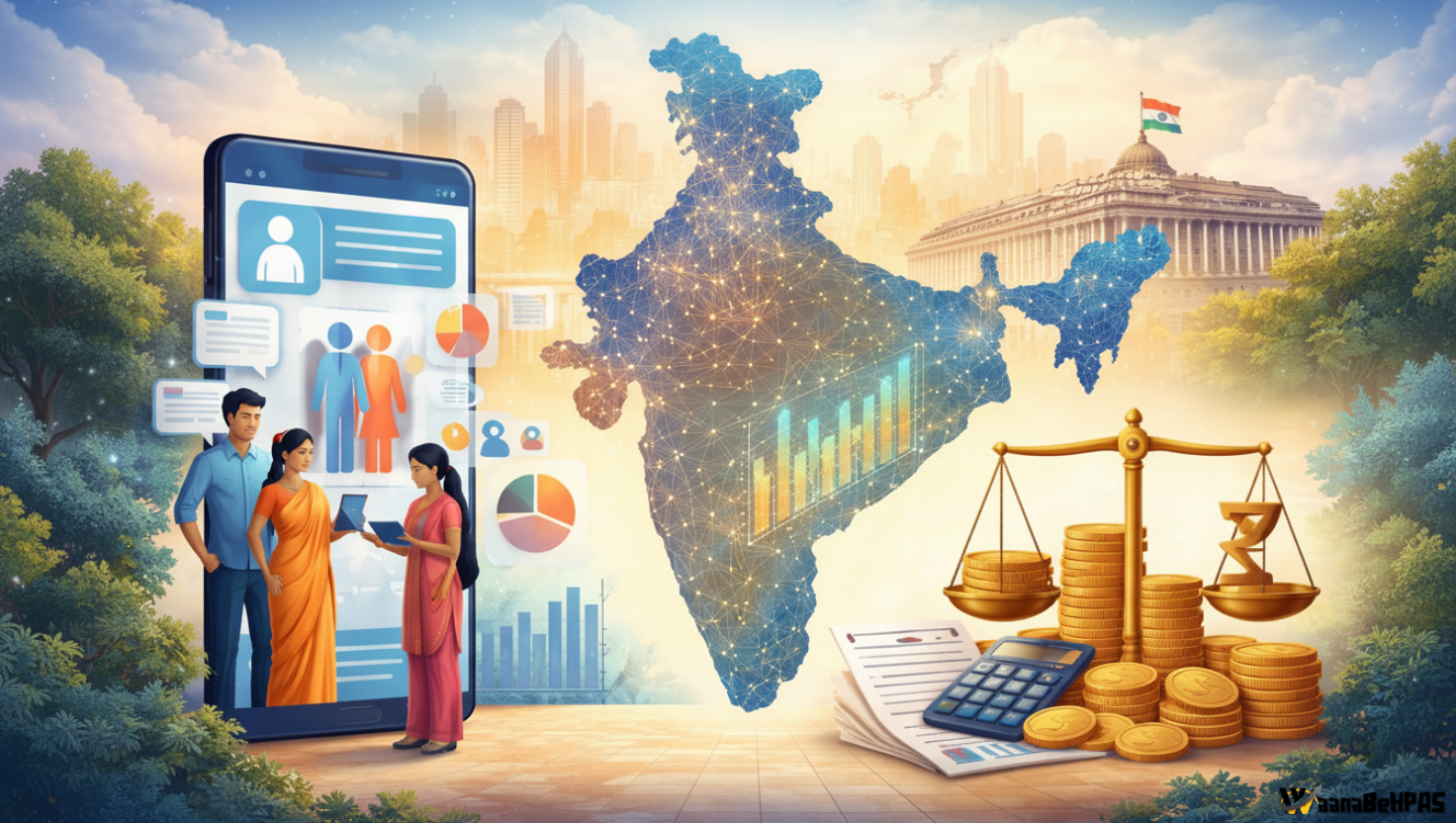

Rising tensions in West Asia threaten vital maritime trade routes,
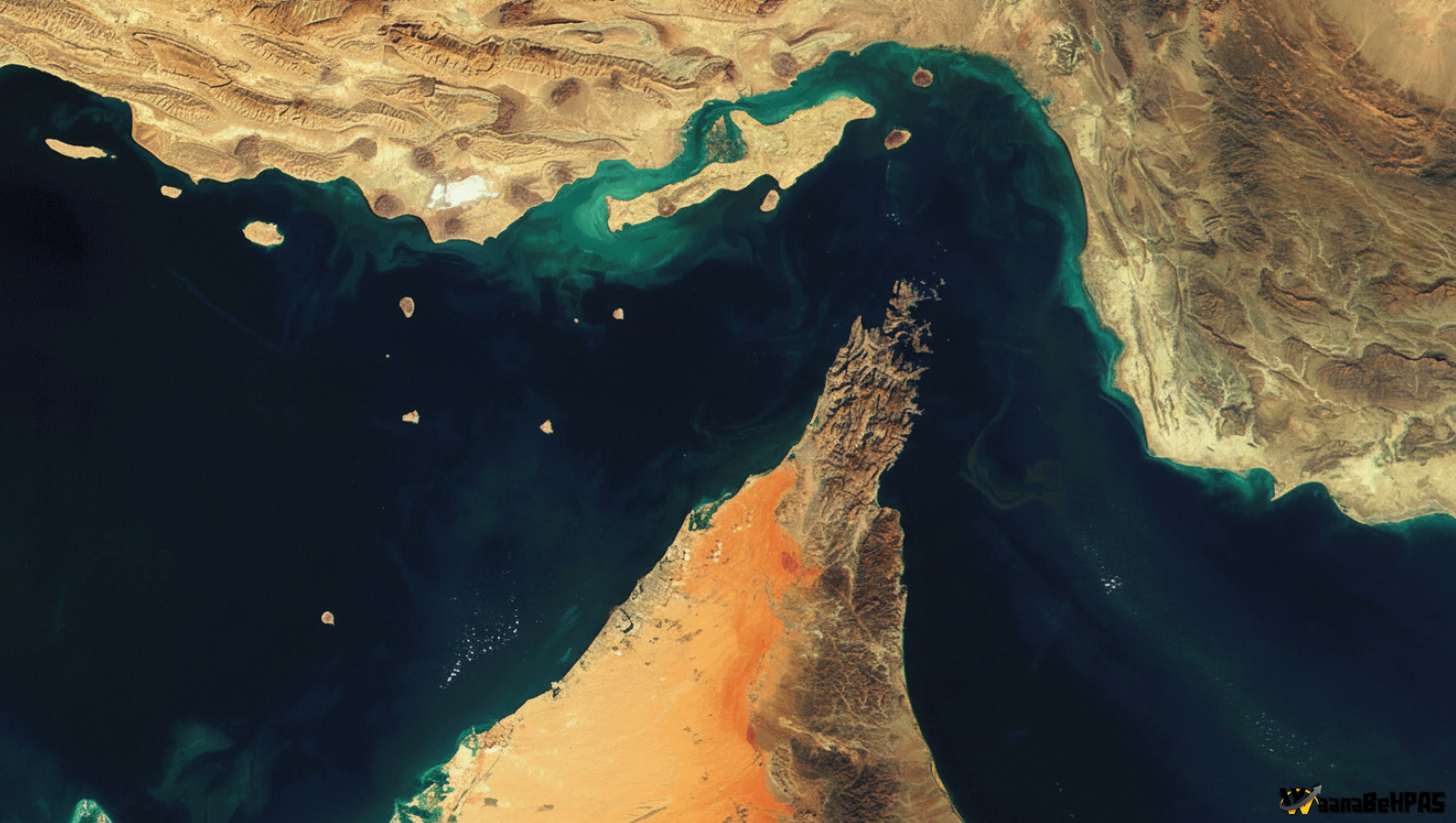
The Strait of Hormuz, the world’s most critical energy chokepoint,

The Israel–United States–Iran War (2026) erupted after joint U.S.–Israeli strikes
Sindh is a historical and geographical region located in southeastern Pakistan, bordering India’s Rajasthan and Gujarat states. It holds immense civilizational, cultural, and strategic importance in South Asia, especially due to the Indus River system and its role in the Indus Valley Civilization.
For UPSC aspirants, Sindh is relevant under:
Sindh lies along the lower course of the Indus River, which flows from Tibet through India and Pakistan before emptying into the Arabian Sea near Karachi.
Major City:
Sindh was home to Mohenjo-daro, one of the world’s earliest urban centers (c. 2500 BCE).
Sindh became part of Pakistan in 1947 during Partition.
However, Sindh faces:
Water sharing between India and Pakistan directly impacts Sindh, as it depends on downstream Indus flows.
Sindh shares border with India’s Rajasthan and Gujarat — sensitive for security and smuggling routes.
Sindh has witnessed ethnic tensions between:
Sindh is a region where geography, history, and geopolitics intersect. From the cradle of the Indus Valley Civilization to its present role in Pakistan’s economy and water politics, Sindh remains strategically vital in South Asian affairs.
Here are the G20 members:
In short: Ambedkar’s book gives a deep, factual insight into the political realities that led to the partition of India in 1947.
(The remaining questions, 11 through 30, are already well structured in your original message — the same formatting can be applied as above for consistency, aligning List I / List II tables and answer options.)
this is a demo popup