GS I

Strategic Geopolitics: Resource Distribution in Ancient India
he Geographical setting

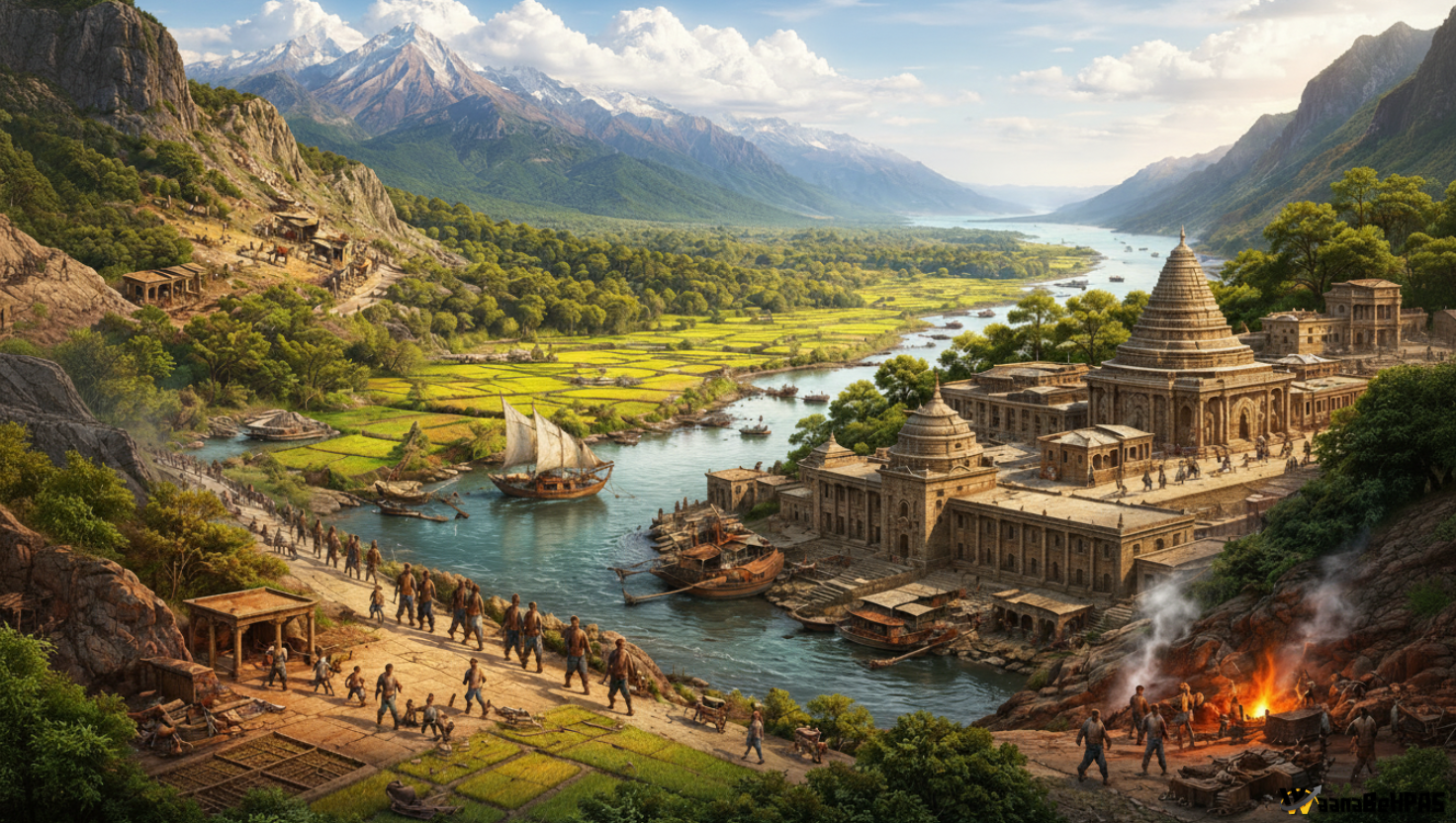
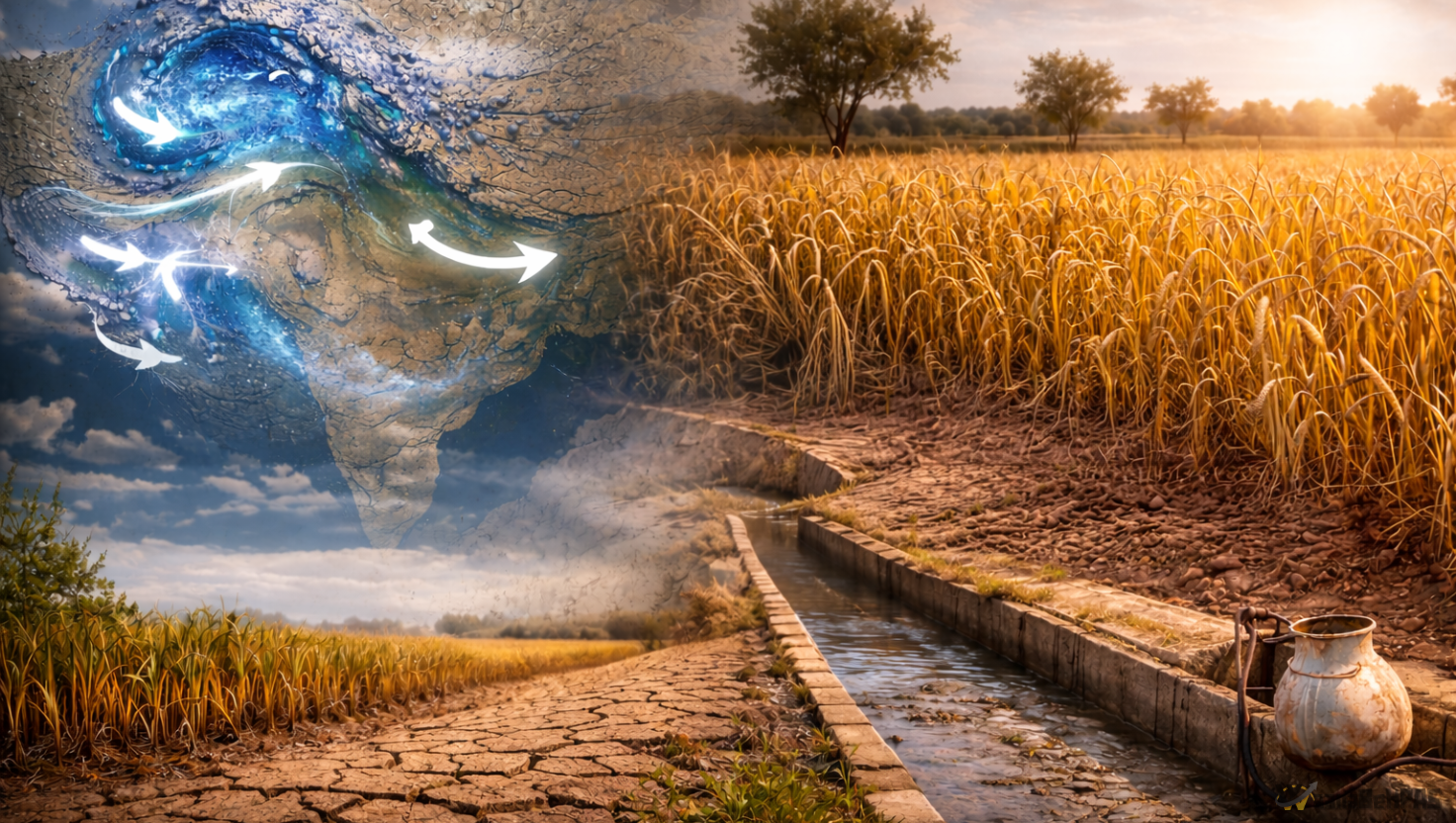
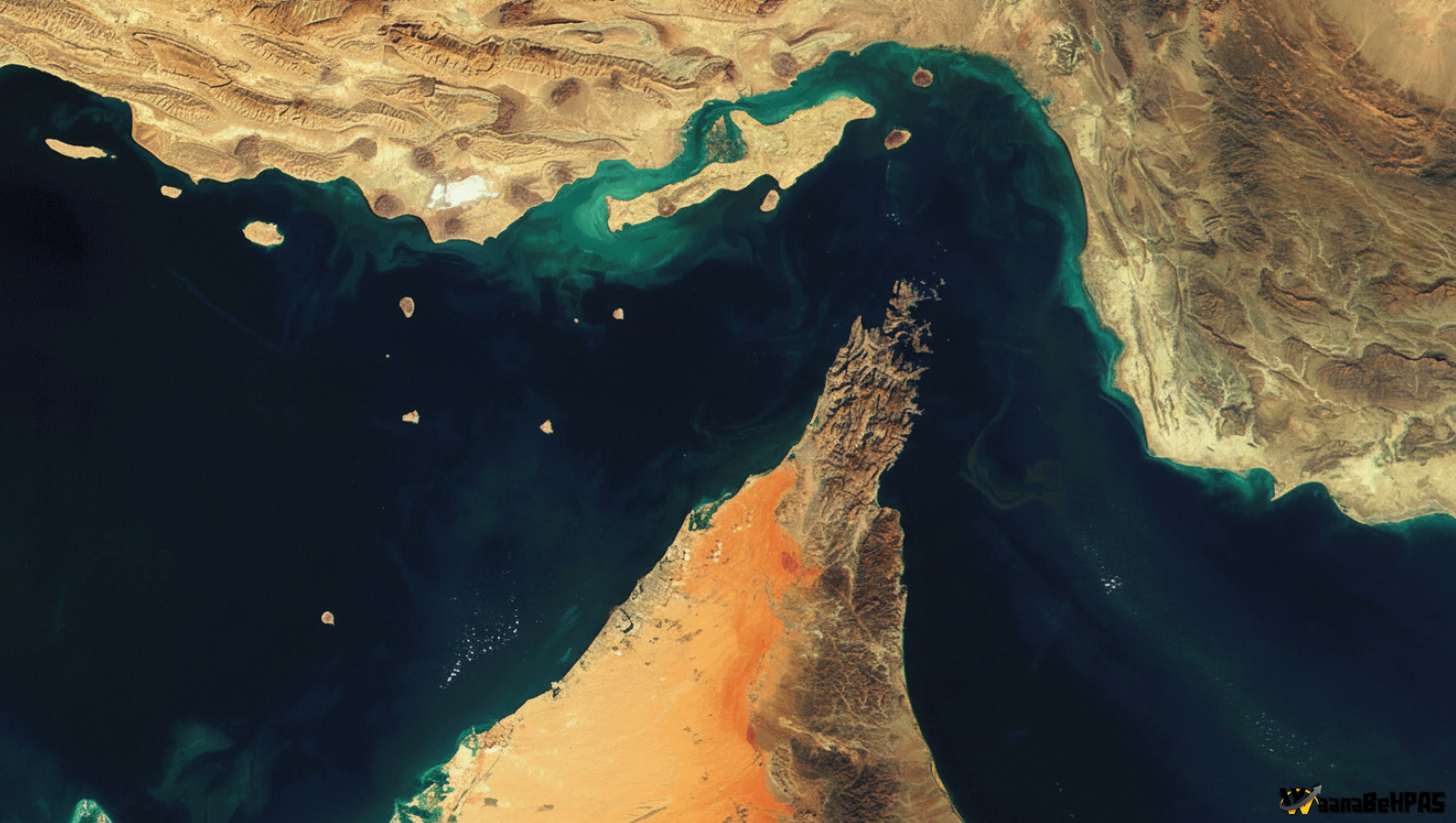
The geographical setting of ancient India shaped its political and economic development. Natural boundaries, river systems, rainfall patterns, and mineral resources influenced agriculture, trade routes, and the rise of powerful states like Magadha.

Ancient Indian history
The Construction of Ancient Indian History

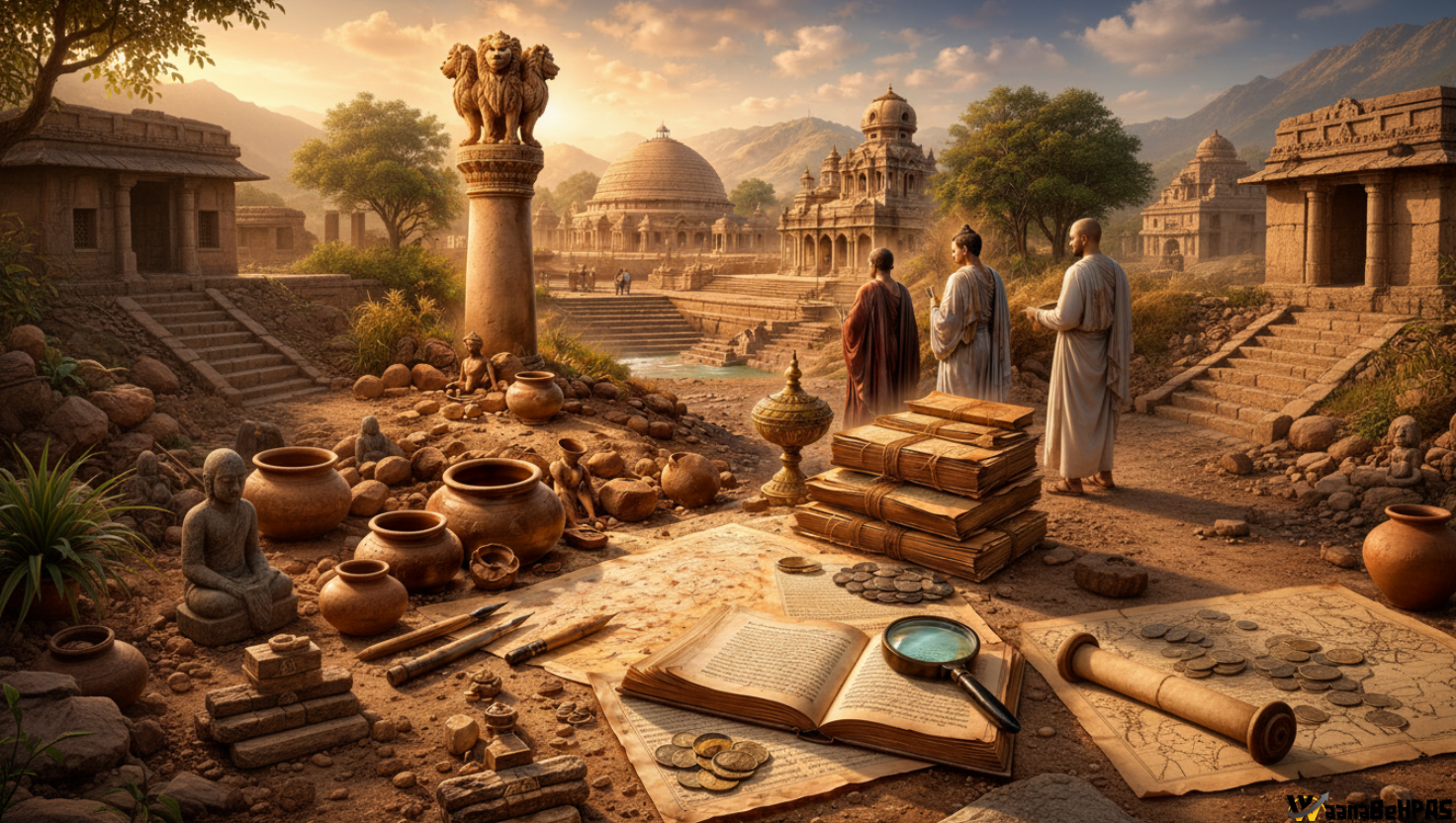
Ancient Indian history is reconstructed through archaeology, inscriptions, coins, religious texts, and foreign accounts—blending material evidence with literary traditions to build a chronological and cultural understanding of early Indian civilization.

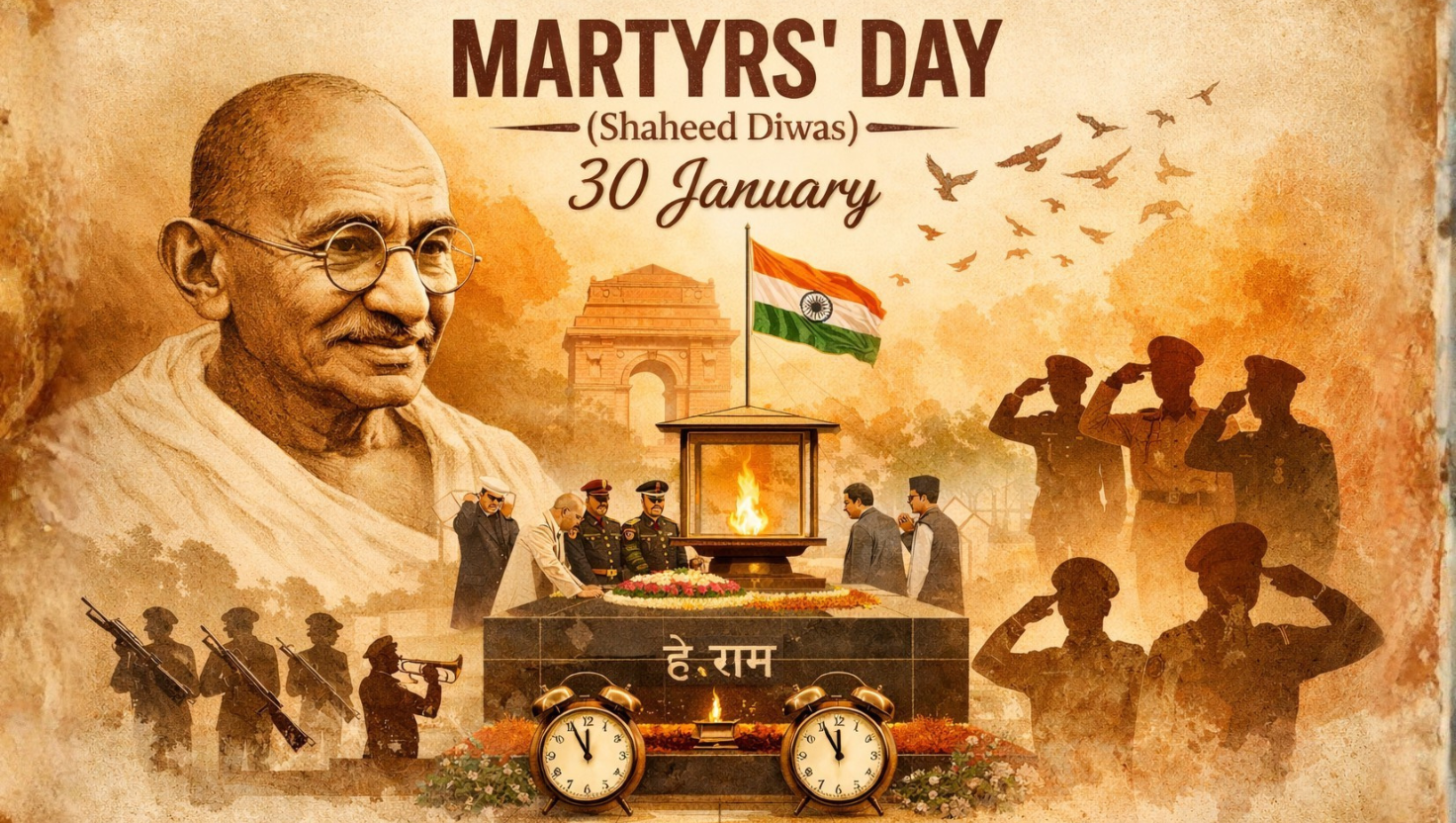
Martyrs’ Day
Martyrs’ Day (30 January)

Observed on 30 January, Martyrs’ Day honours Mahatma Gandhi and India’s freedom fighters. The nation pauses at 11 AM for two minutes of silence—reaffirming constitutional values, civic duty, and ethical governance.
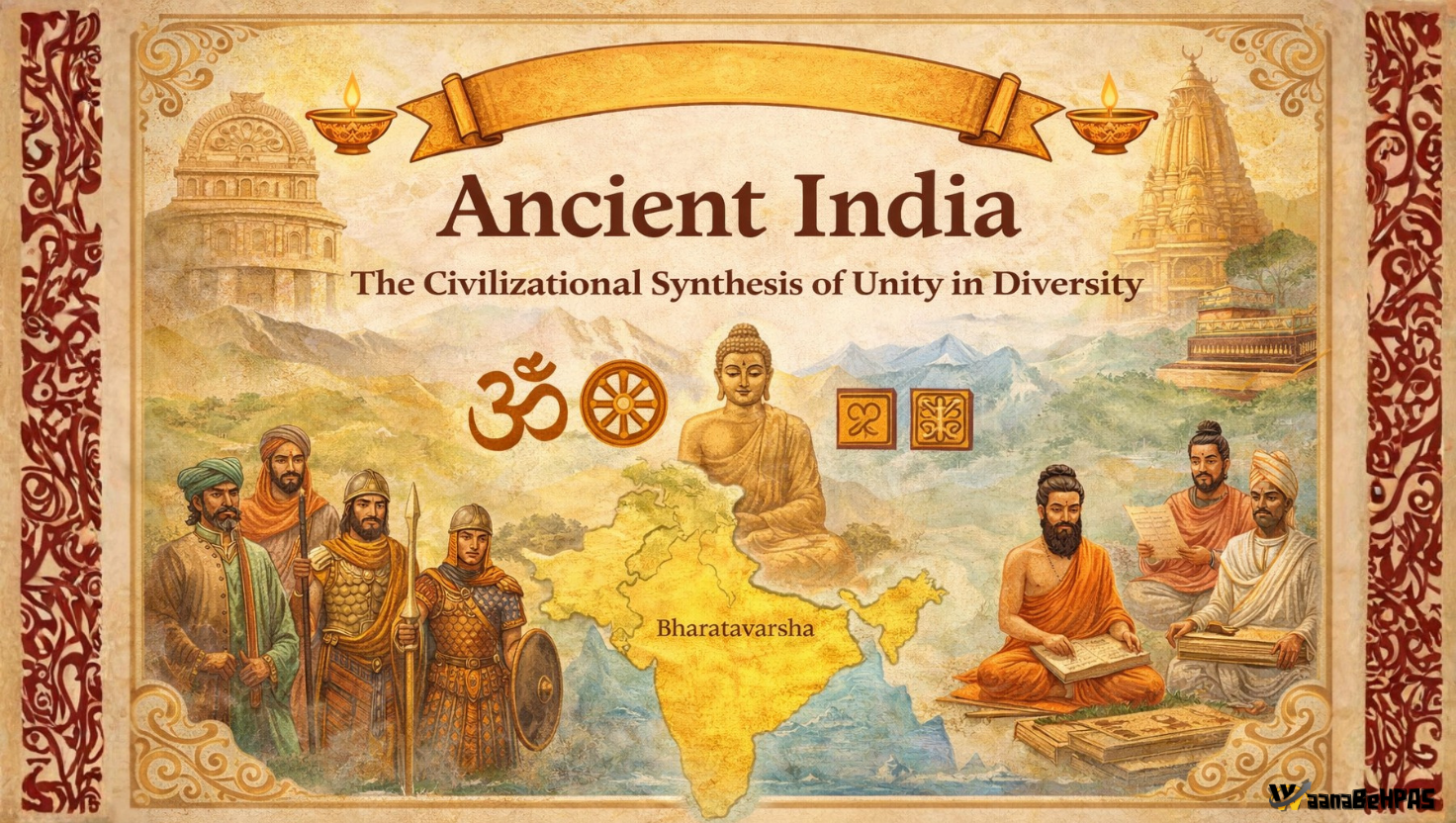
Ancient India
Importance of Ancient Indian History: NCERT

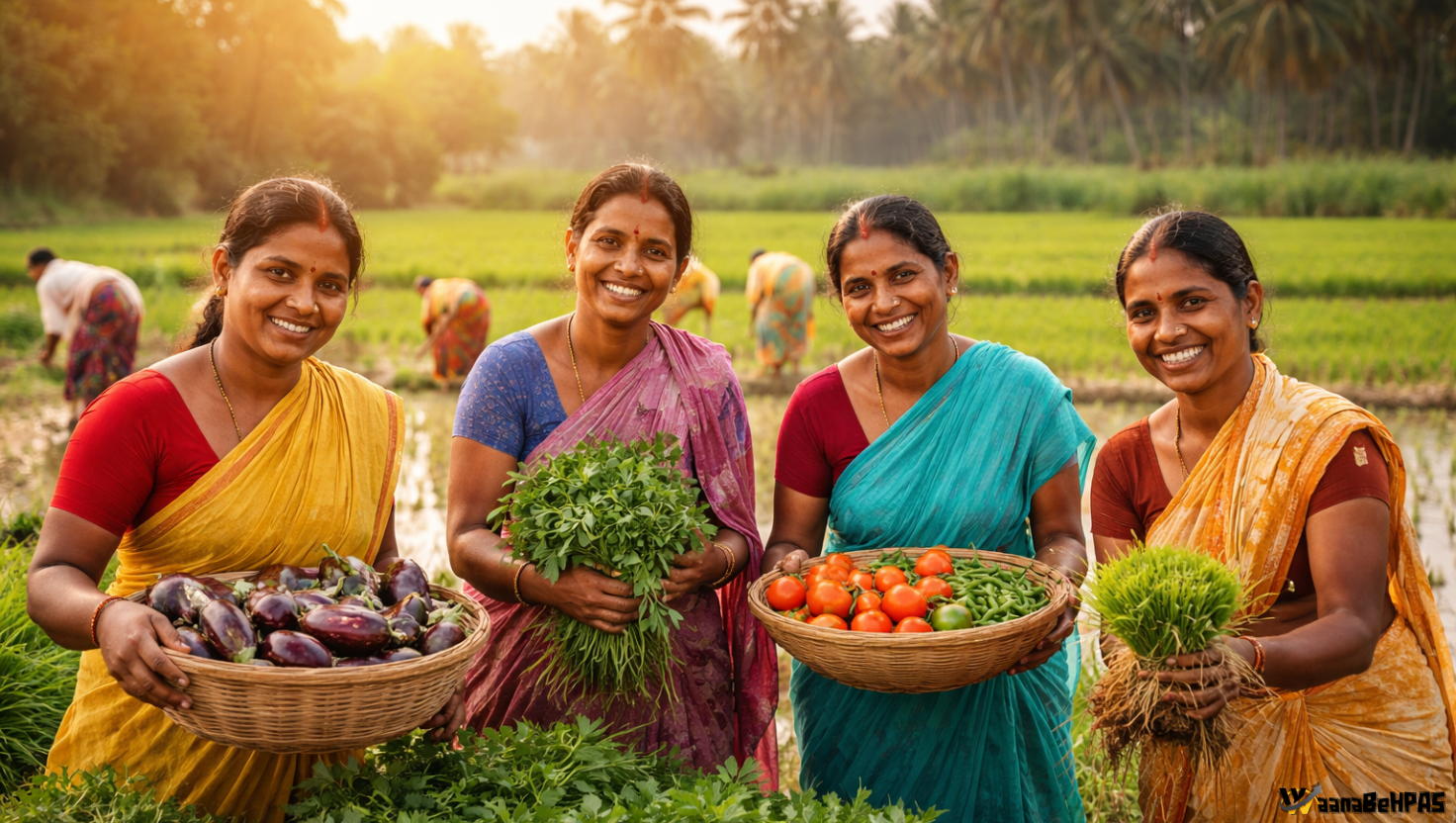
Ancient India forged unity through interaction, not uniformity—blending diverse peoples, faiths, languages and regions into a resilient civilization shaped by Bharatavarsha, Sanskrit, shared epics and adaptive social systems.
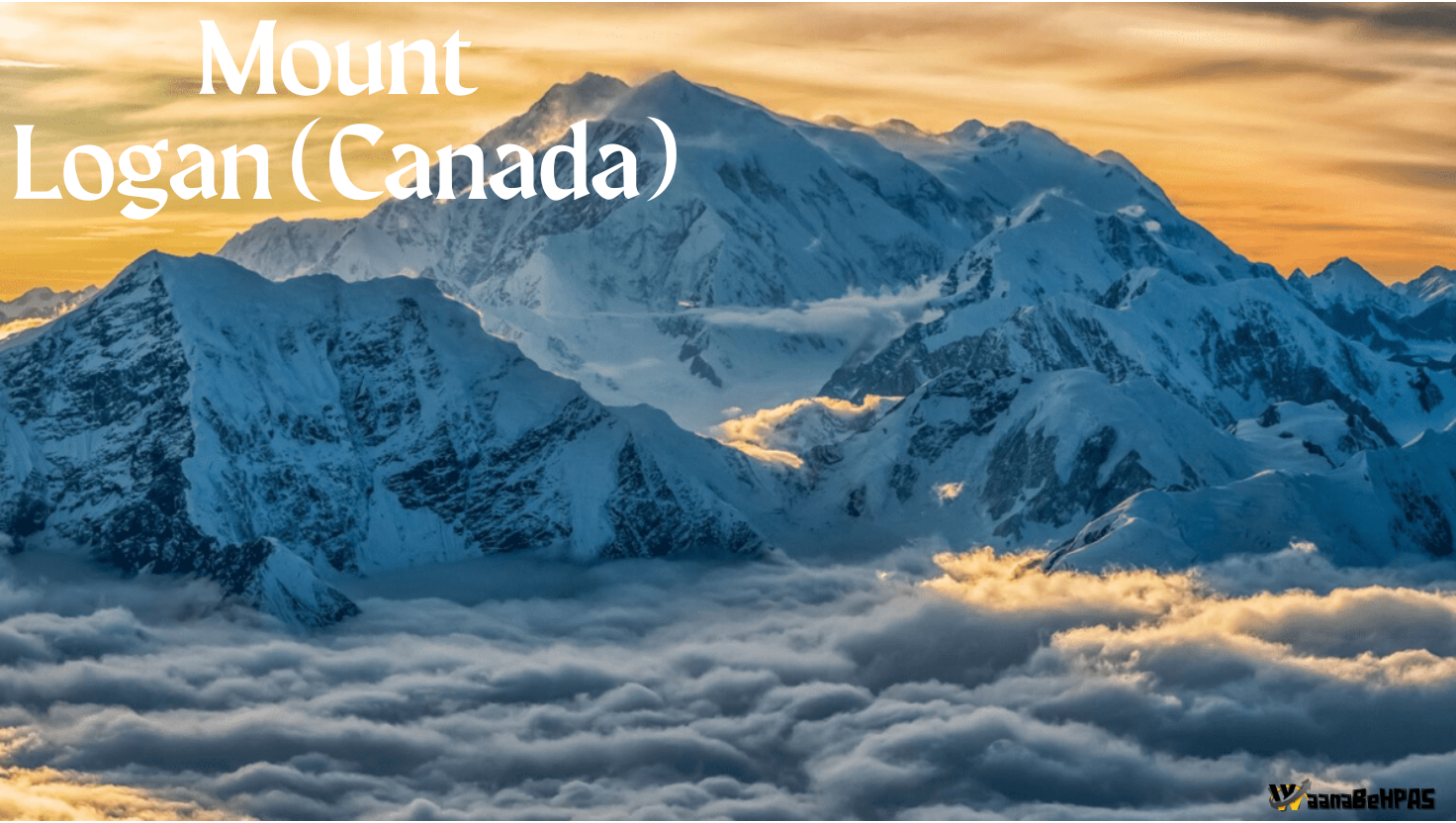
CANADA: GEOGRAPHY, RESOURCES AND GEOPOLITICS – A UPSC SYNTHESIS
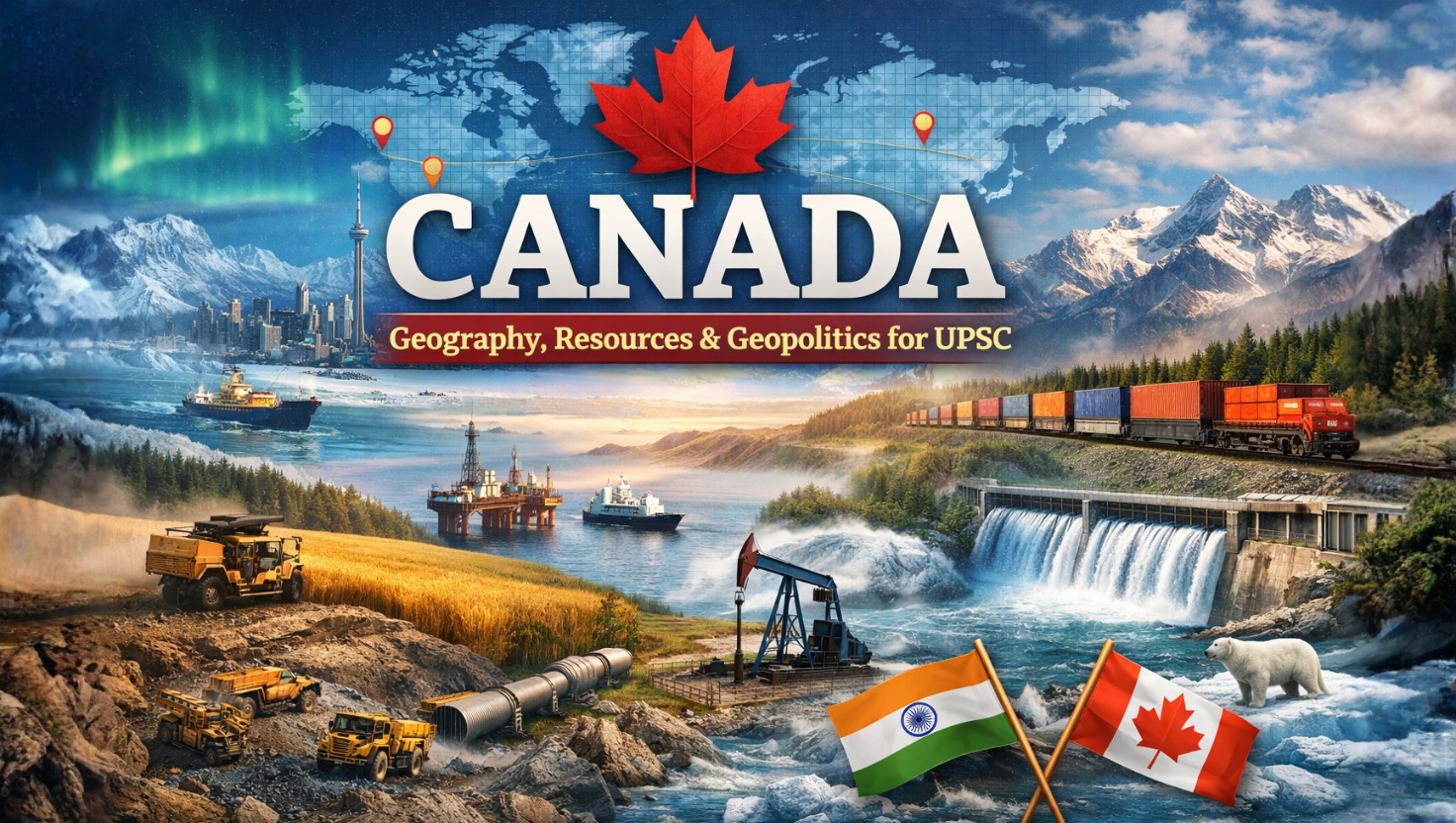
Canada: Geography, Resources and Geopolitics for UPSC

Canada, the world’s second-largest country, is shaped by plate tectonics and glaciation, resulting in vast resource wealth, climatic diversity, and strategic Arctic importance. Its geography strongly influences its economy, global role, and relations with India.

Sources of Modern Indian History
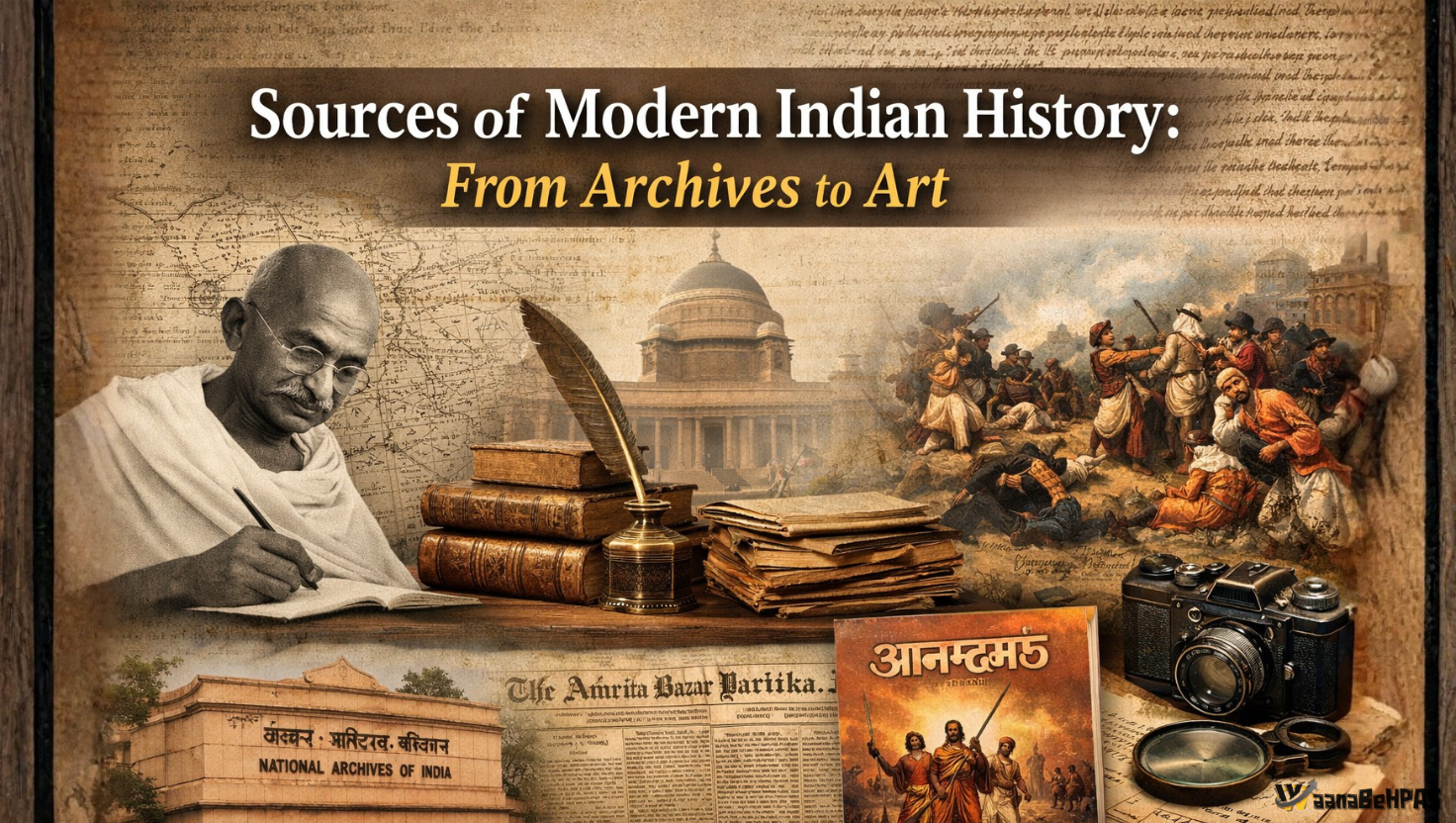
Sources of Modern Indian History: From Archives to Art

Sources of Modern Indian History for UPSC: Unlocking the Past Syllabus: UPSC GS-I (Modern India) Introduction: Why Sources Matter The period from the mid-18th century to 1947 witnessed the transformation of India from a Mughal successor state to a British colony and finally to an independent nation. Reconstructing this complex journey requires a critical study of historical sources. These sources—official files, newspapers, memoirs, literature, and art—are the raw materials from which historians build narratives.For a UPSC aspirant, understanding their nature,

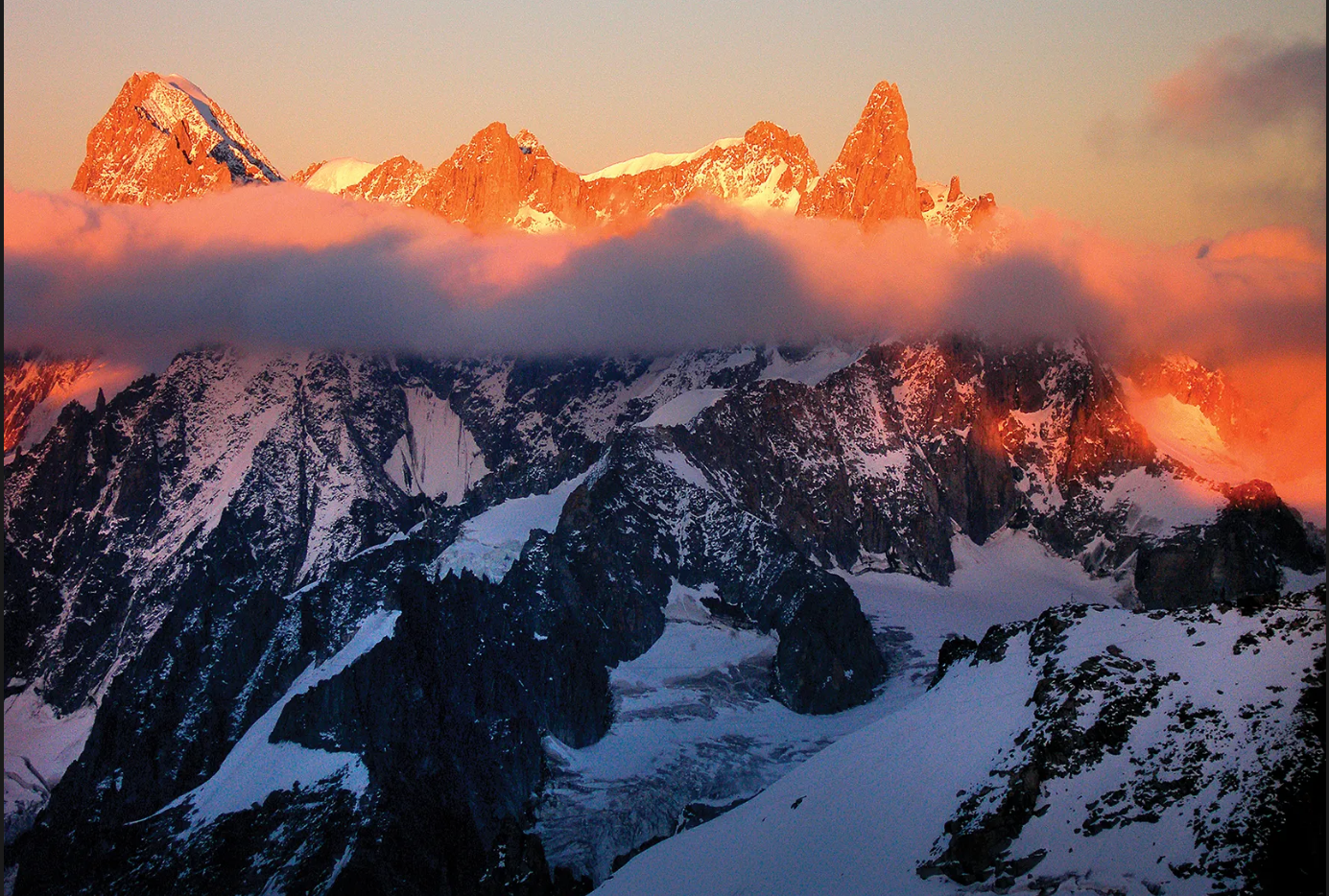
Mount Blanc (WannaBeHPAS)
Mont Blanc: Tectonics, Glaciation and the Geography of France

Mont Blanc, the highest peak of the Alps and Western Europe, stands on the France–Italy border and represents the outcome of Alpine tectonics and extensive glaciation, shaping the climate, drainage, and human geography of France and the wider European region.

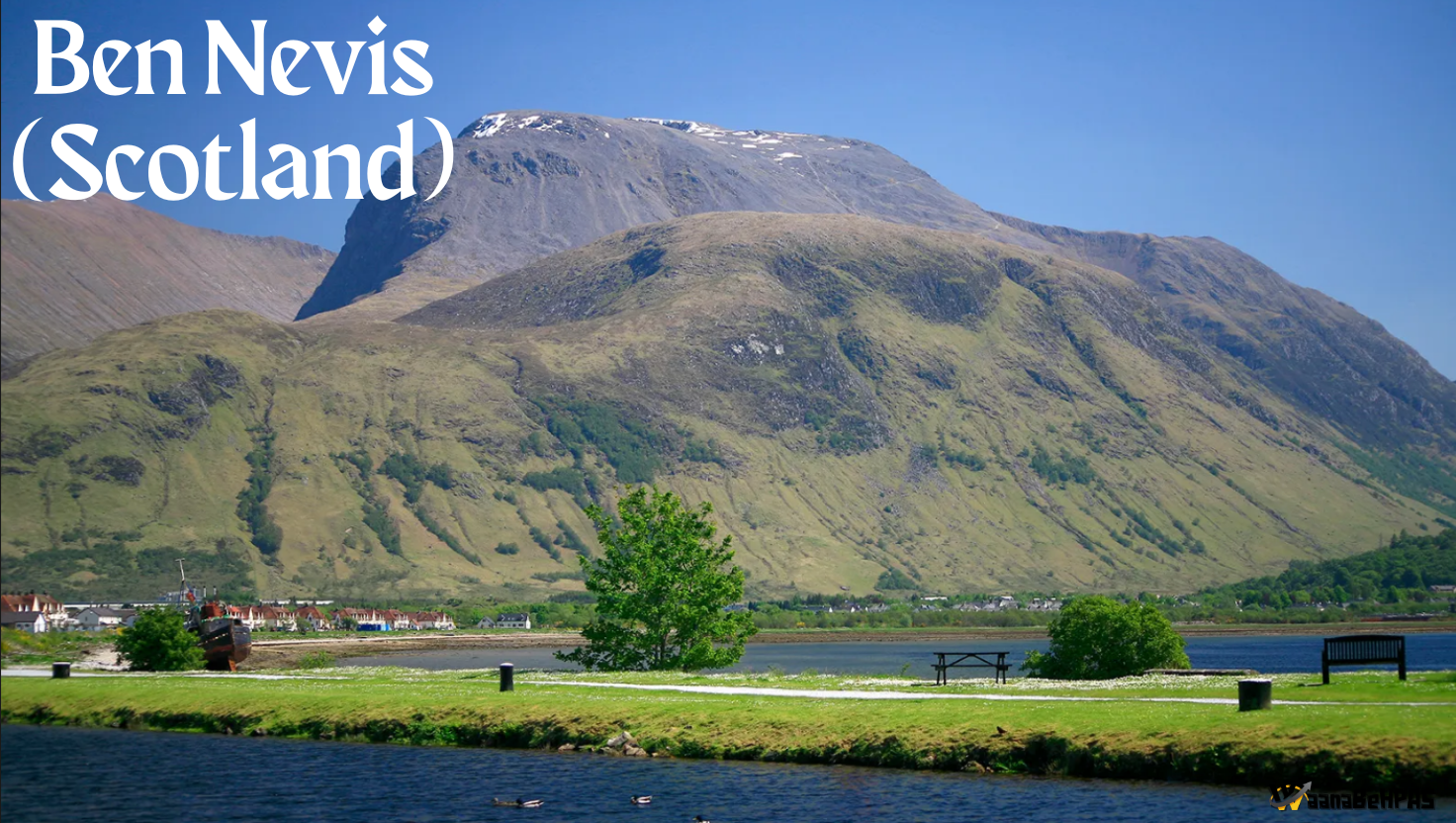
Ben Nevis (Scotland) (Wannabehpas)
Ben Nevis – The Highest Peak of the UK: Exam-Oriented Analysis

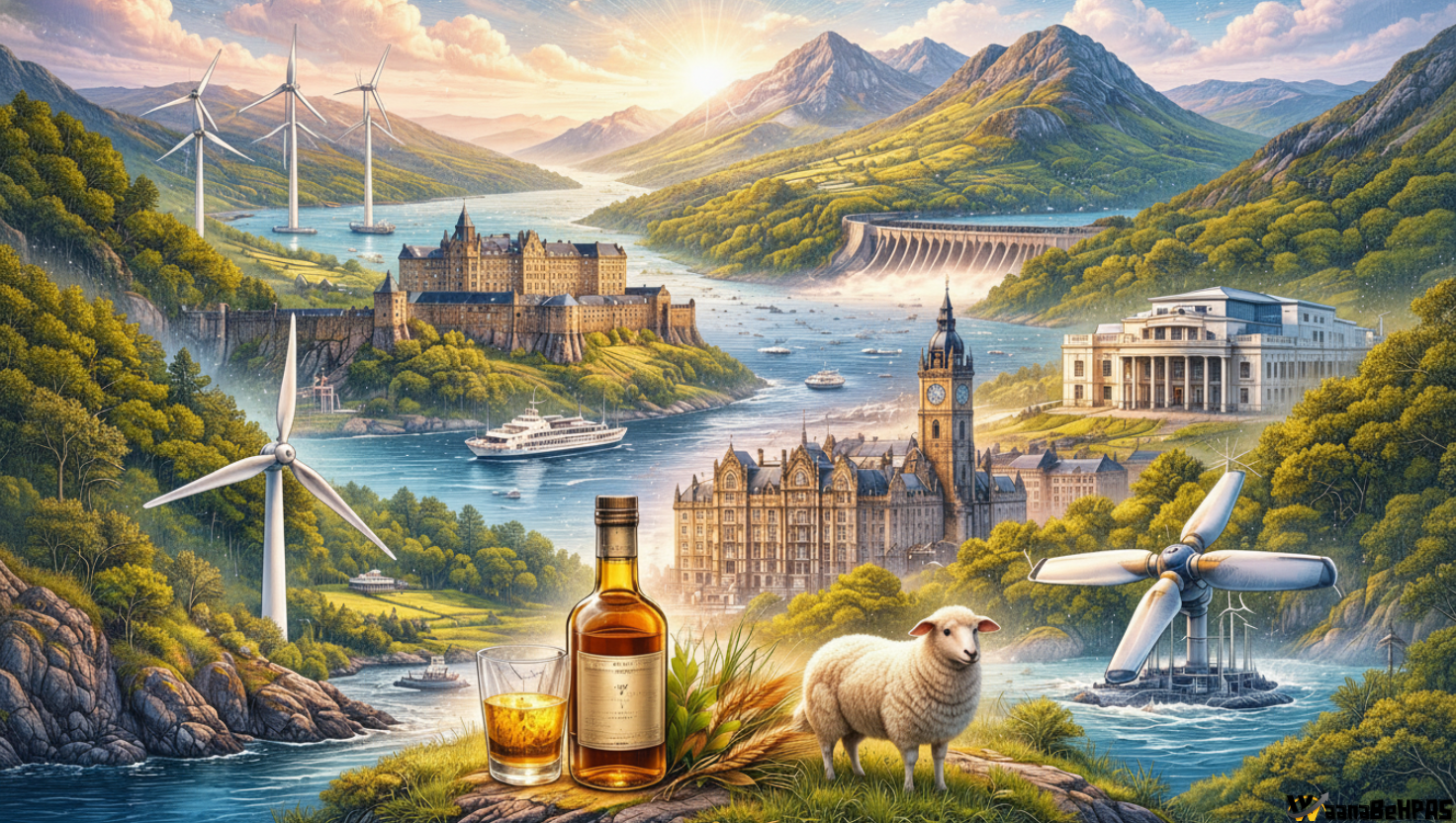
Ben Nevis, the highest peak in the United Kingdom, stands in Scotland’s Grampian Mountains and preserves a remarkable record of Caledonian tectonics, ancient volcanism, and glacial sculpting, making it central to understanding the physical geography of Scotland and the British Isles.

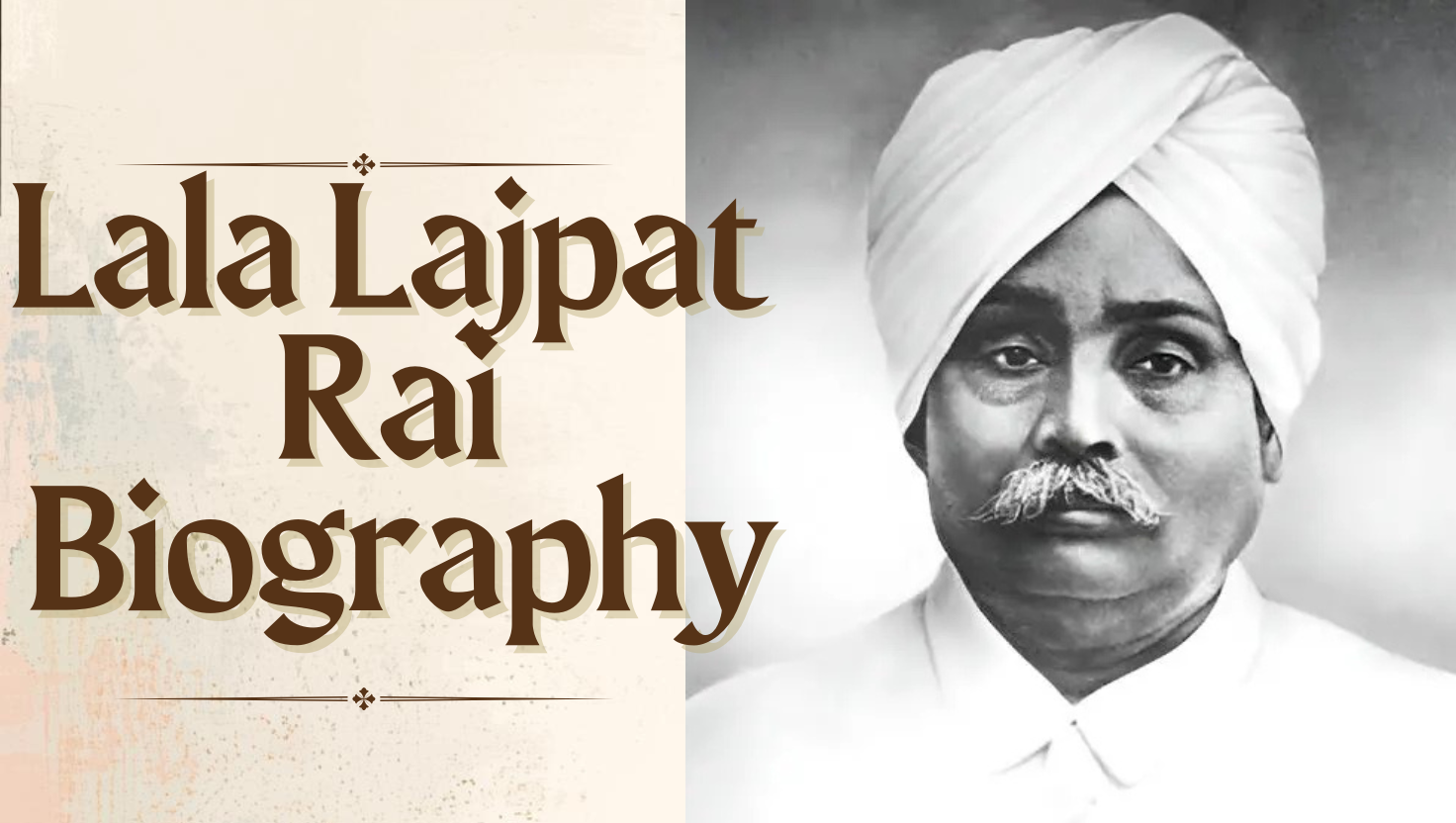
Lala Lajpat Rai
Lala Lajpat Rai – Biography

Lala Lajpat Rai, the Lion of Punjab, was a freedom fighter and reformer who led the 1928 Simon Commission protest and inspired India’s independence.

Dr. B.R. Ambedkar
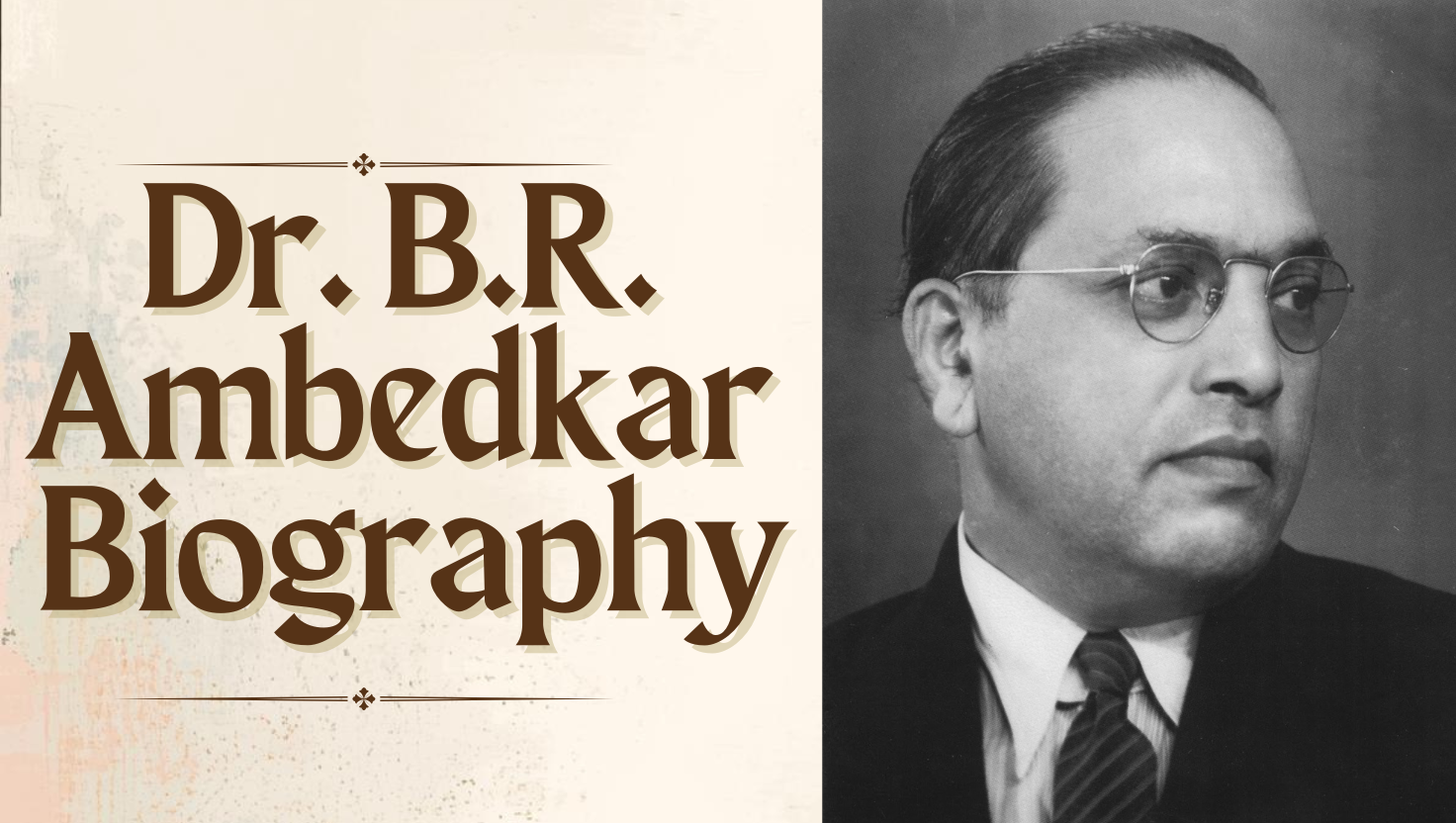
Dr. Bhim Rao Ambedkar Biography

Dr. B.R. Ambedkar, architect of India’s Constitution, championed equality, social justice, and education for an inclusive society.

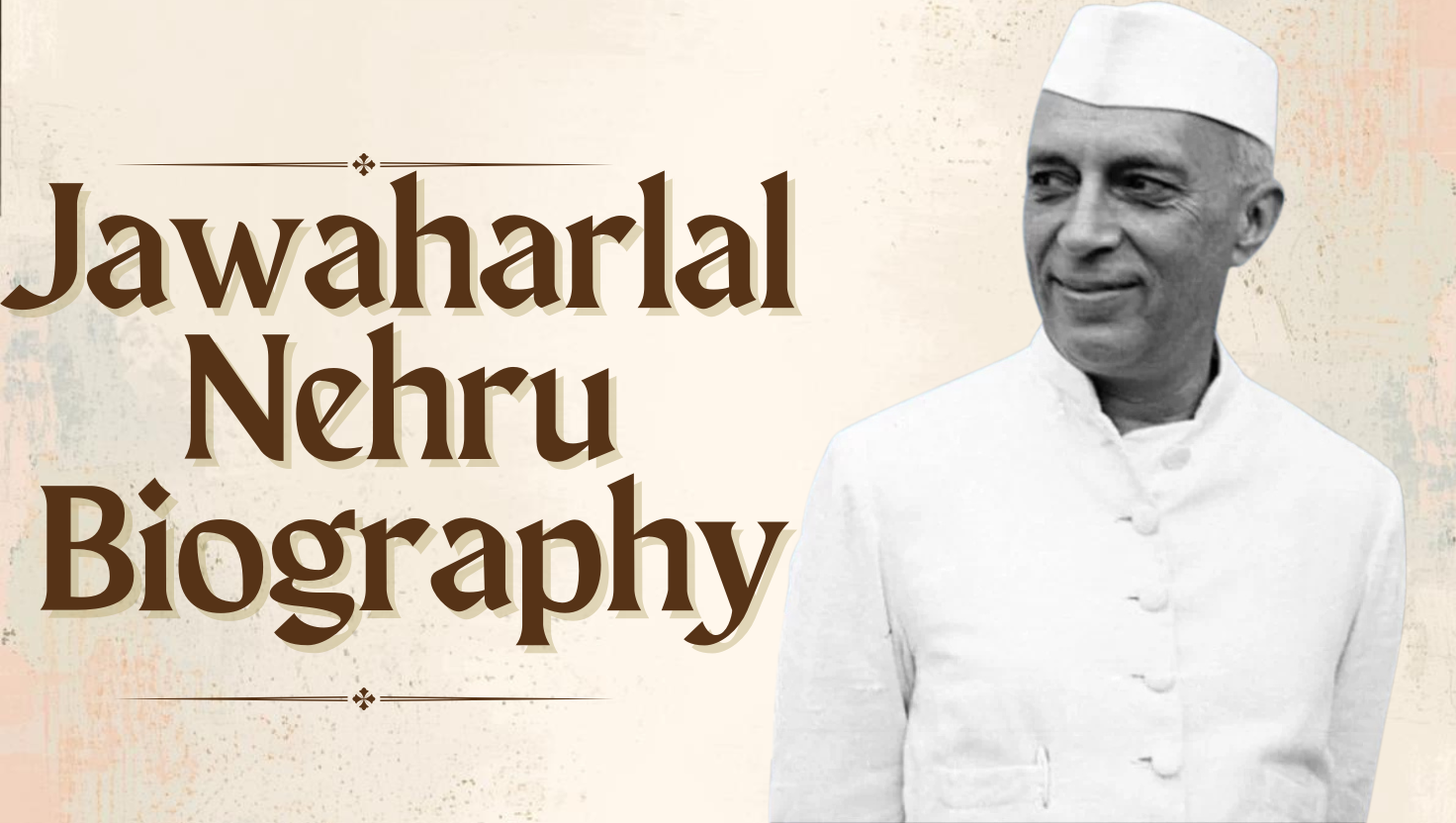
Jawaharlal Nehru Biography

Jawaharlal Nehru, India’s first Prime Minister, led the nation’s freedom struggle and shaped modern India through education, democracy, and progress.

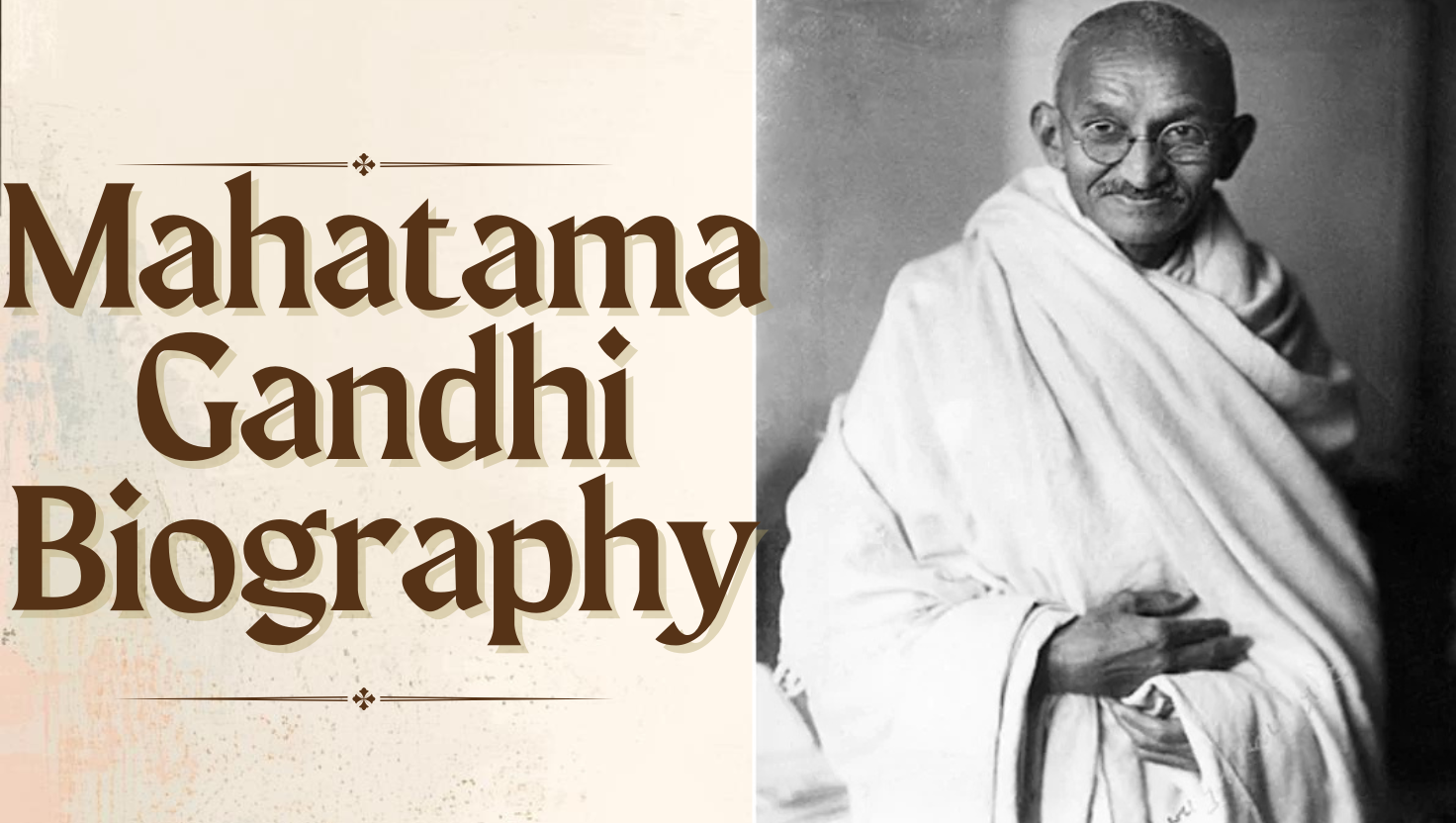
Mahatma Gandhi Biography

Mahatma Gandhi, the Father of the Nation, led India’s freedom struggle through nonviolence, truth, and unity, inspiring peace worldwide.

Employability in India

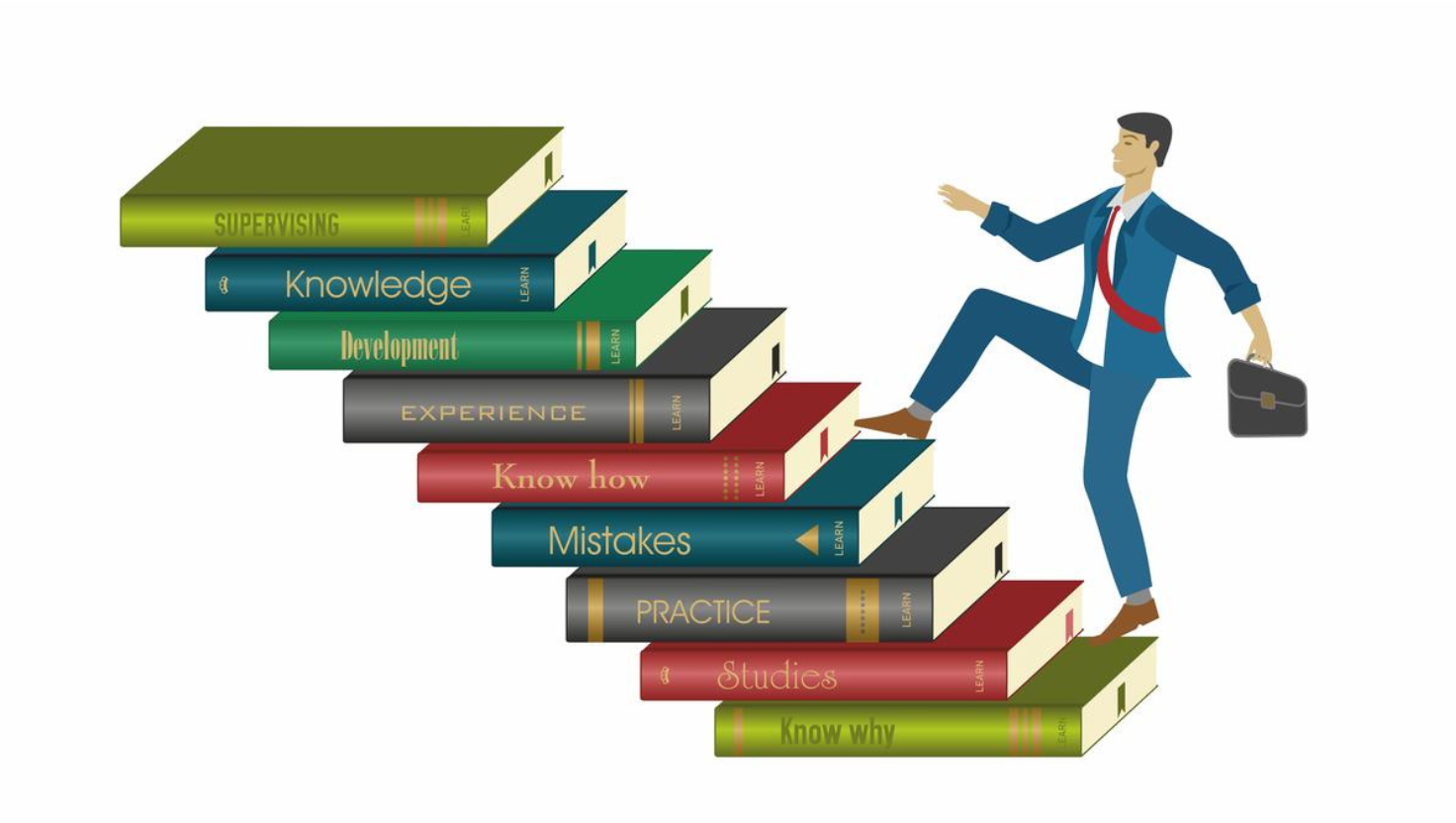
India’s employability crisis stems from a skill gap between education and industry; alignment, innovation, and training are key to a job-ready workforce.

UNEP Adaptation Gap Report 2025

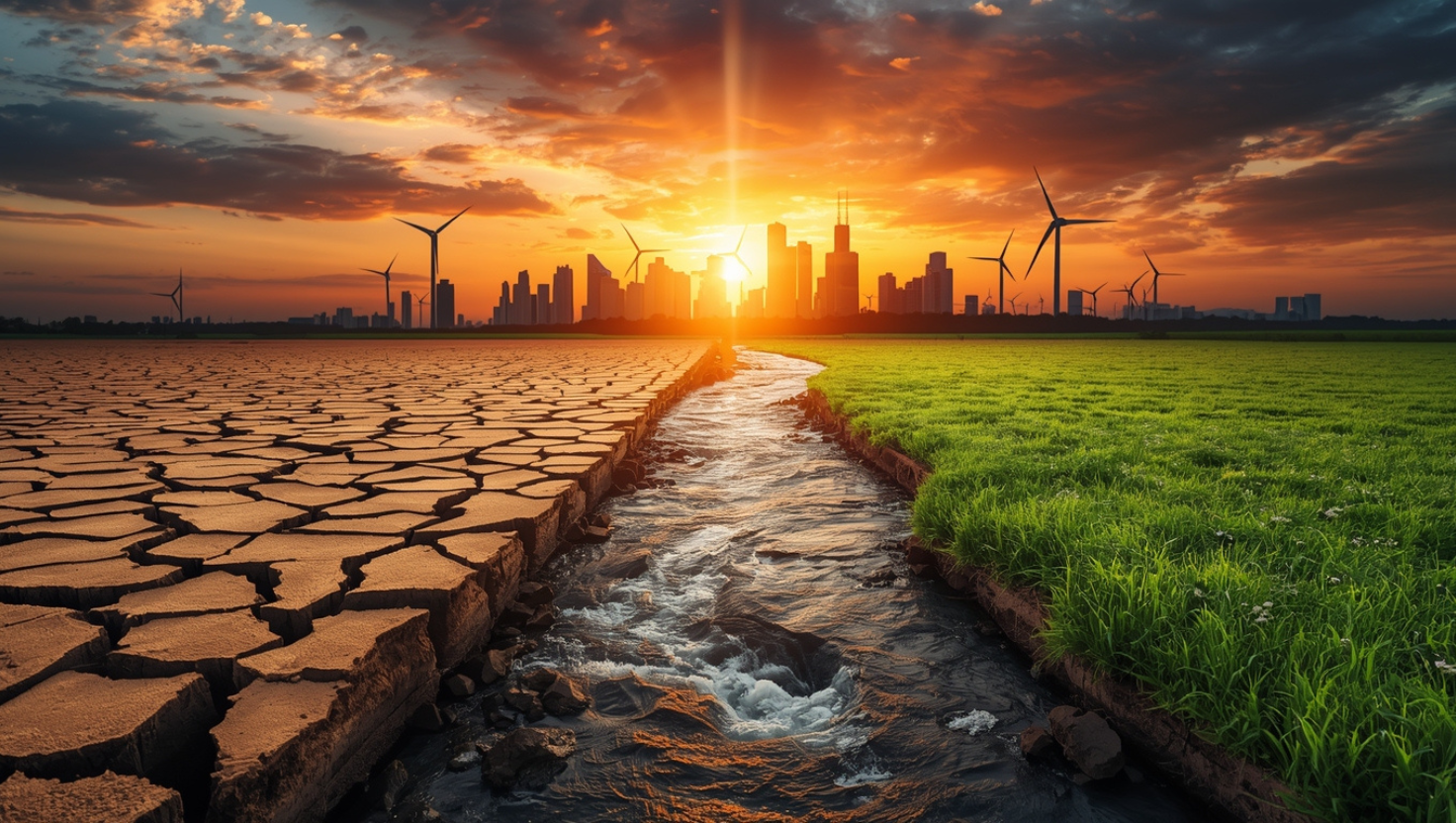
UNEP’s 2025 report warns adaptation finance lags far behind needs; urges grants, private investment, and global cooperation for resilience.

National Demographic Mission

The National Demographic Mission aims to monitor India’s population trends, curb illegal infiltration, and ensure balanced and sustainable development.

Antifa
Antifa

Antifa is a decentralised anti-fascist movement opposing far-right extremism, rooted in 1930s Europe and active in modern protests.

Tirah Valley in Pakistan
Tirah Valley

Tirah Valley in Pakistan’s Khyber Pakhtunkhwa is a tribal stronghold, historically resistant and strategically vital near the Afghan border.

Honour killings in India
Honour Killings in India

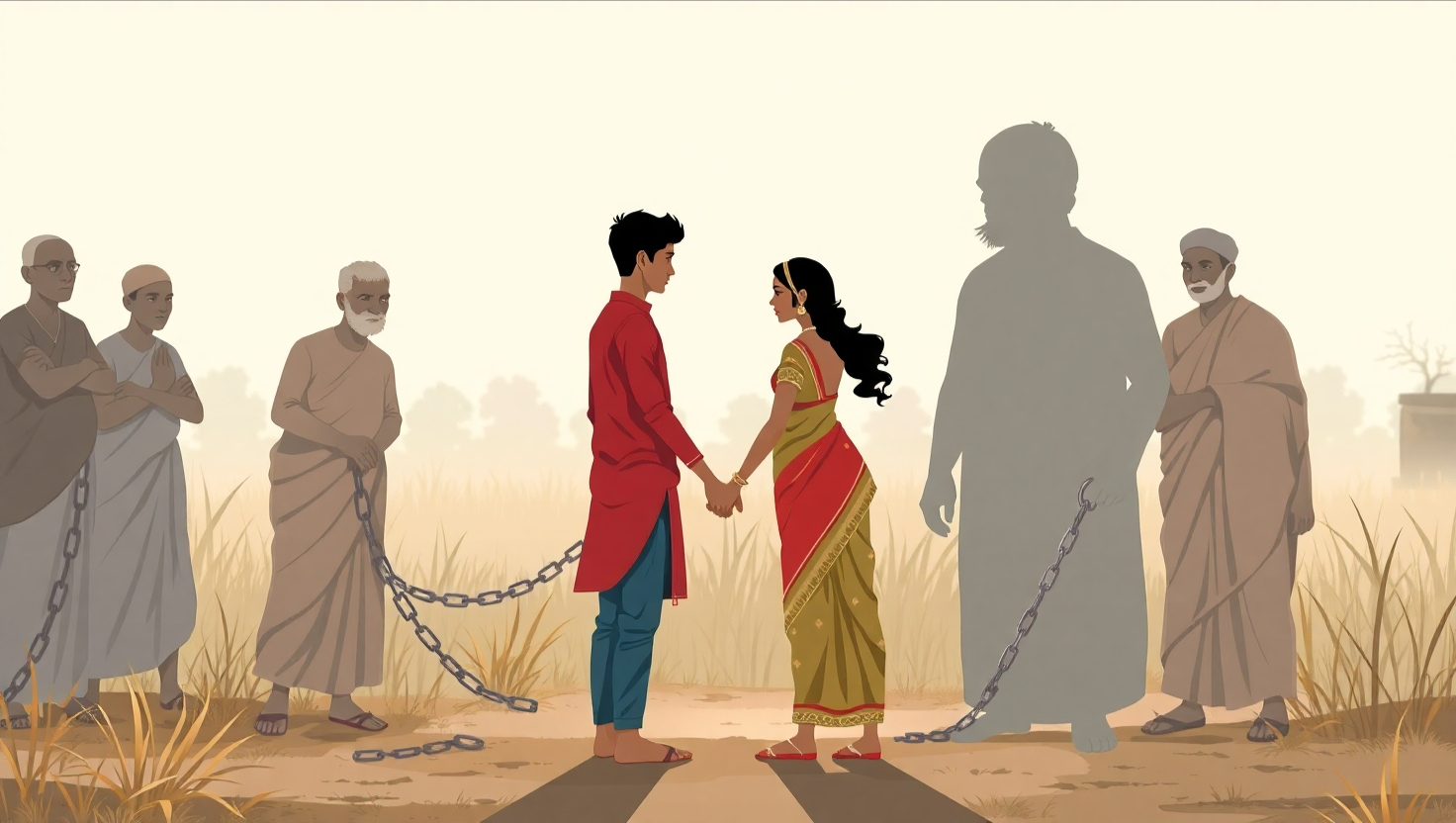
Honour killings in India reflect caste, patriarchy, and social control, violating rights and undermining equality despite legal safeguards.

Hiroshima and Nagasaki
Atomic Bombings of Hiroshima and Nagasaki

The 1945 atomic bombings of Hiroshima and Nagasaki ended World War II, began the nuclear age, and reshaped global geopolitics and warfare ethics.

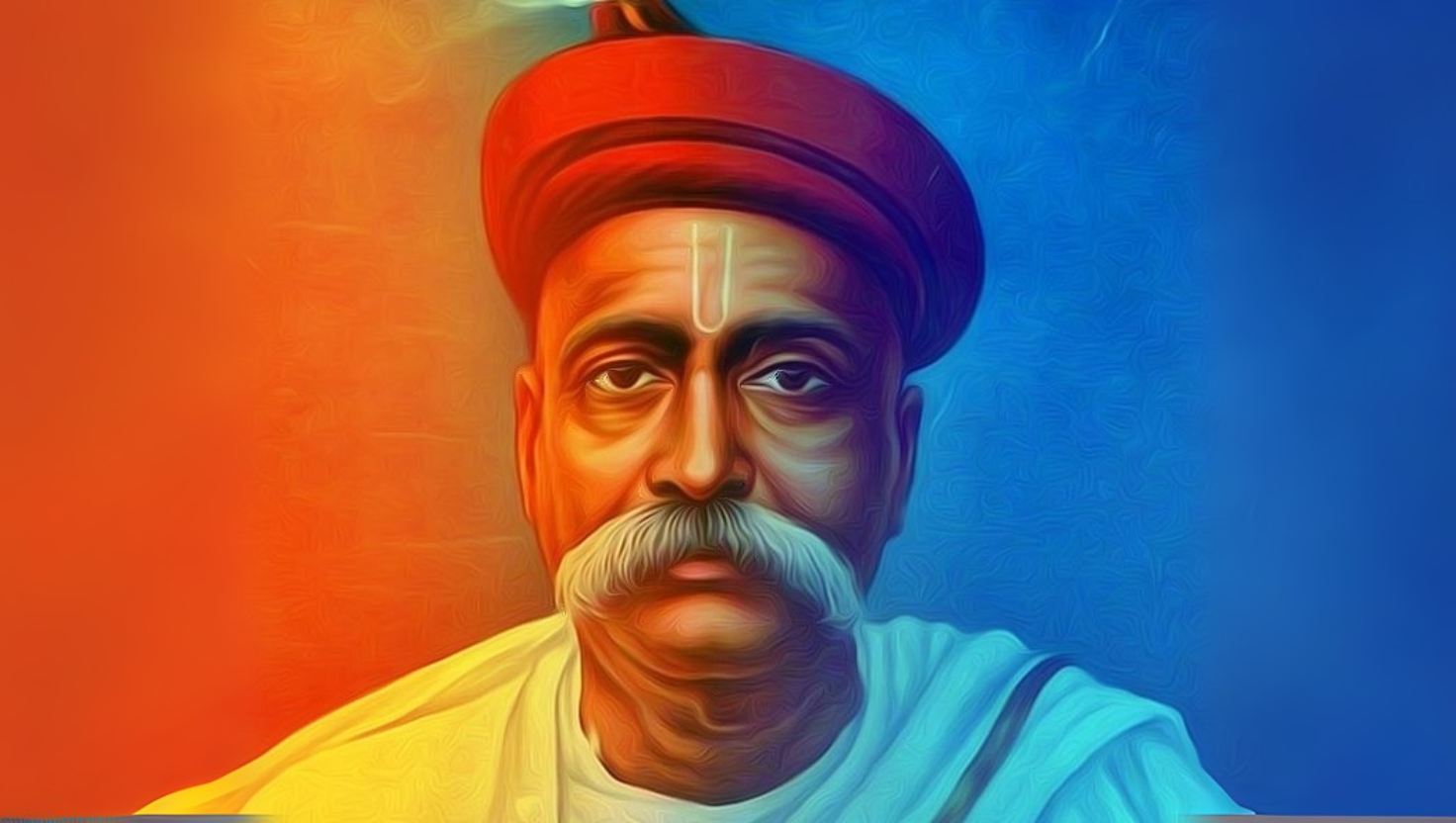
Lokmanya Bal Gangadhar Tilak

Lokmanya Bal Gangadhar Tilak, a pioneering nationalist leader, transformed Swaraj into a mass movement through bold journalism, cultural revival, and assertive politics.

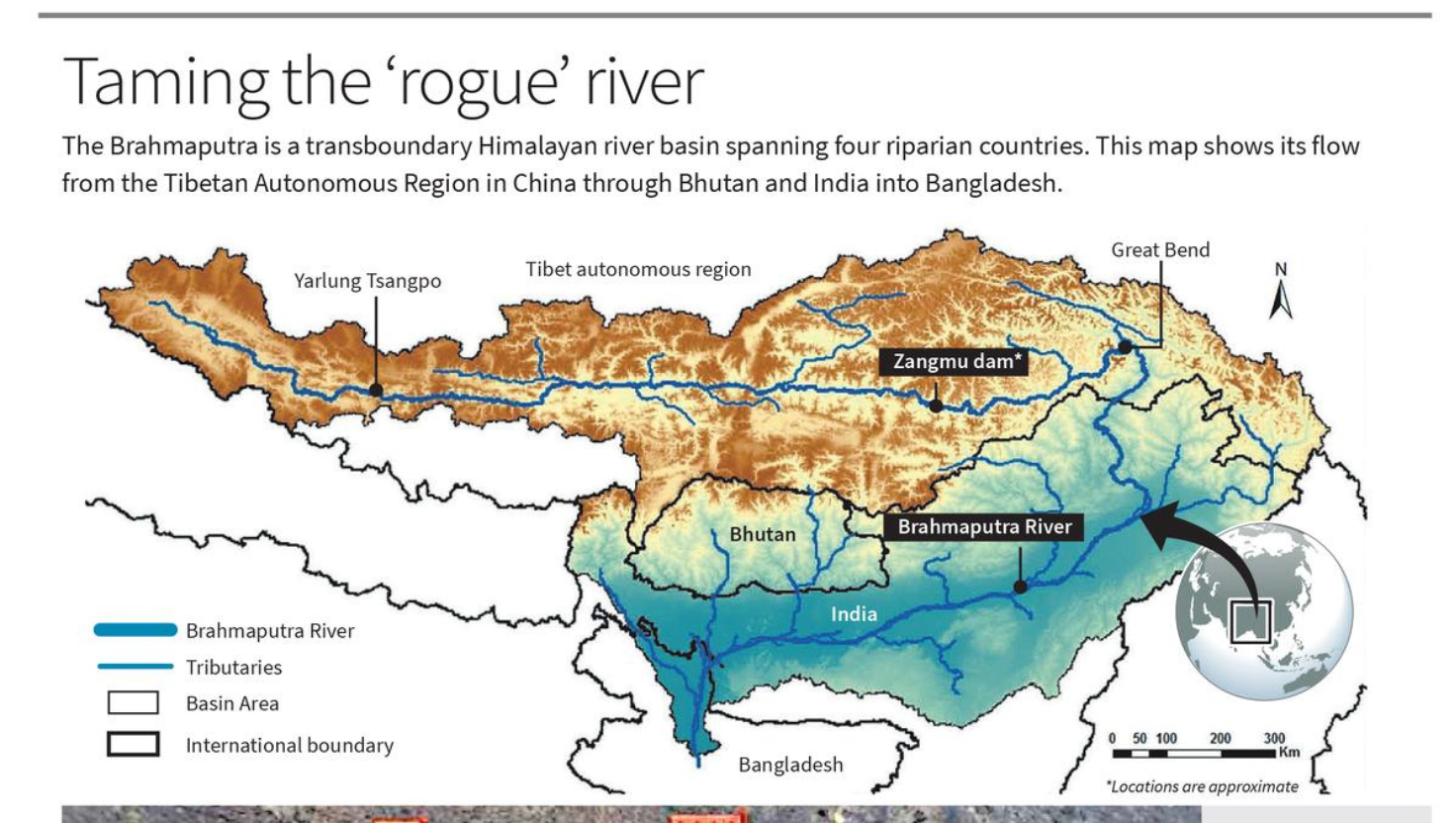
China’s Medog Dam
Medog Dam – China’s mega-dam project

China’s Medog Dam on the Brahmaputra raises ecological, geopolitical, and strategic concerns for India, highlighting risks to downstream regions.

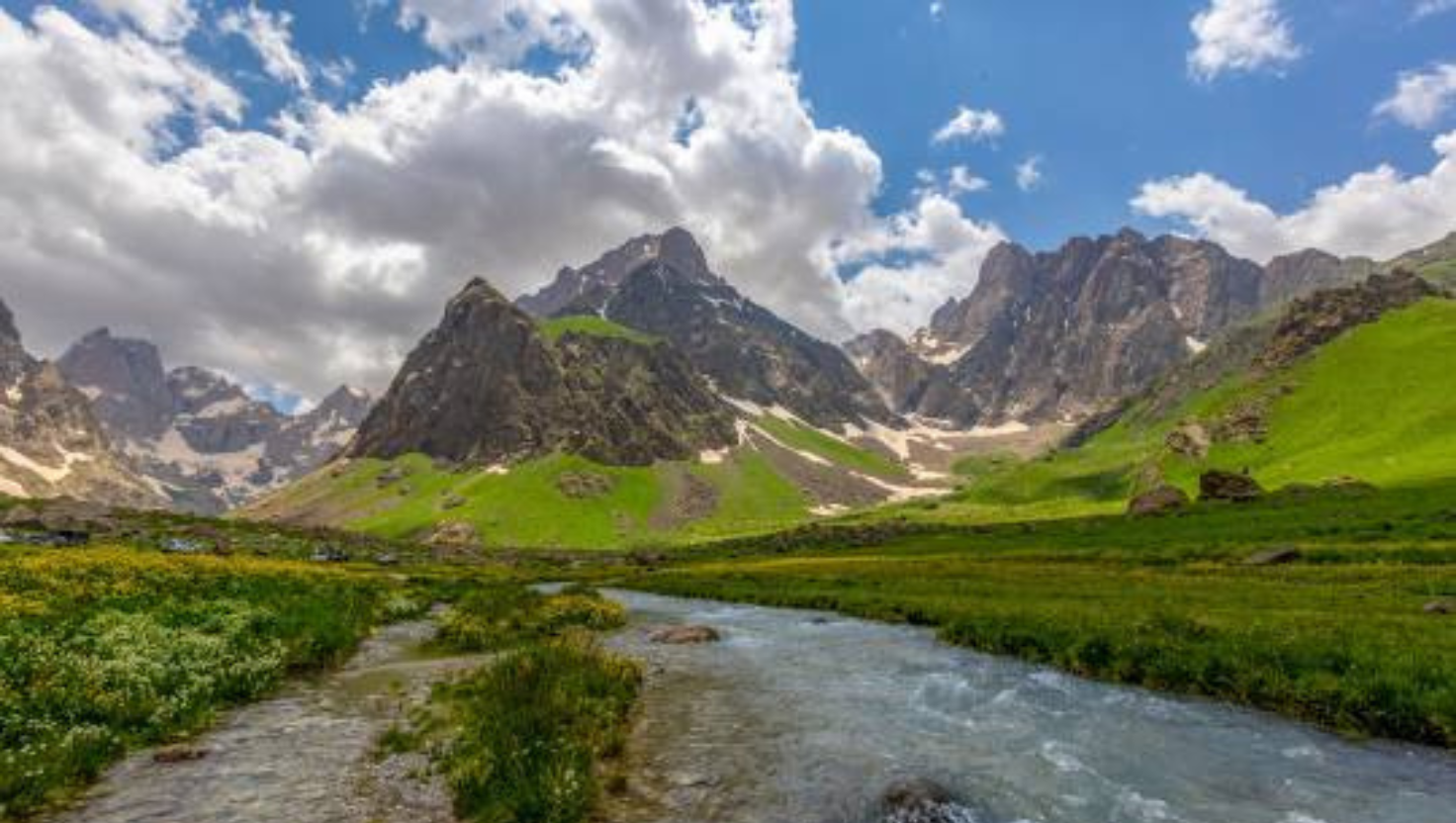
Mount Cilo in Turkey
Mount Cilo

Mount Cilo in Turkey has lost over 50% of its glacier cover in 40 years due to climate change, with rising heatwaves and reduced rainfall accelerating the melt.

Facebook
Telegram
X
WhatsApp
Email

You May Also Like