Governance

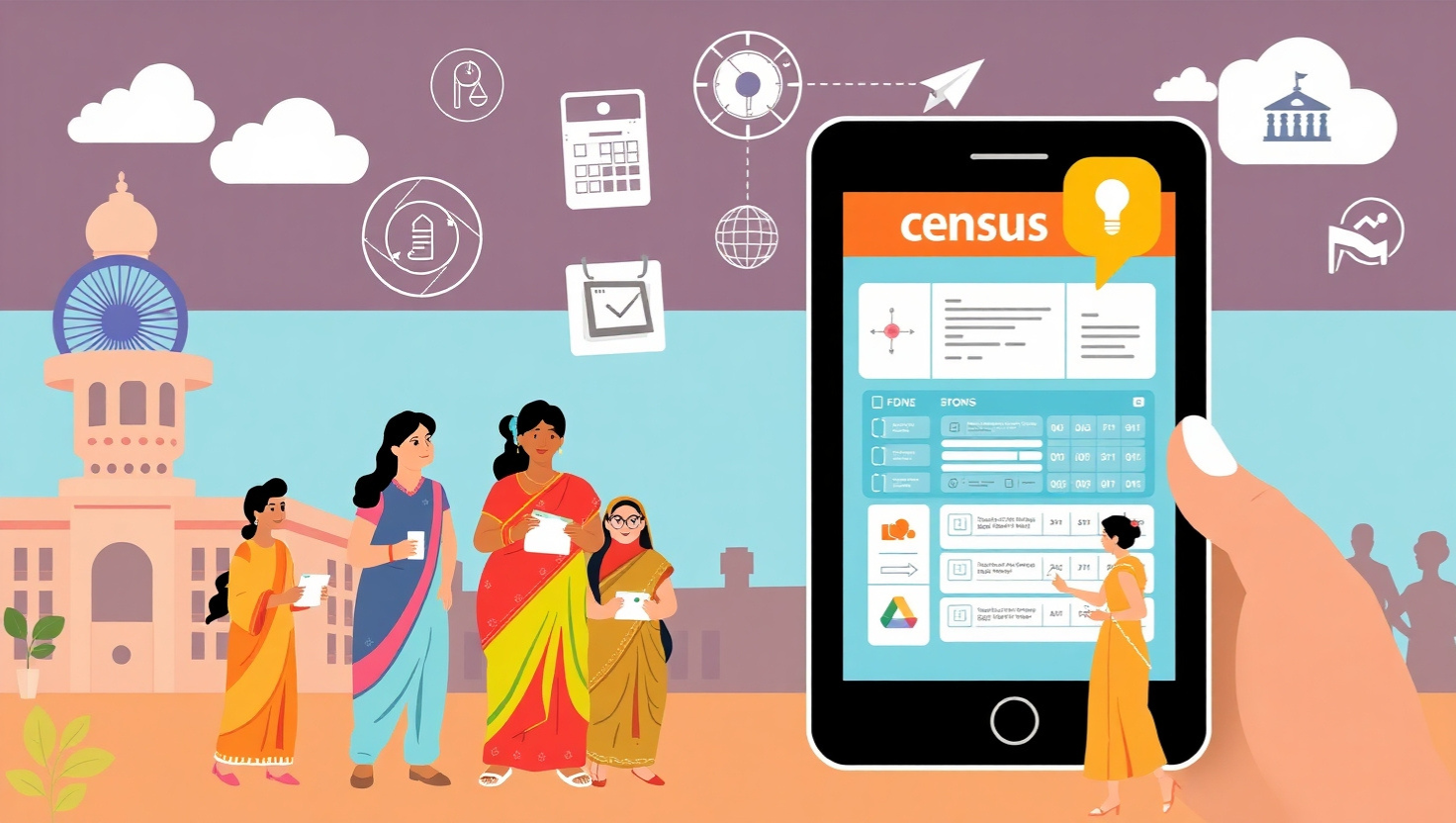
Digital Census 2027
Digital Census 2027

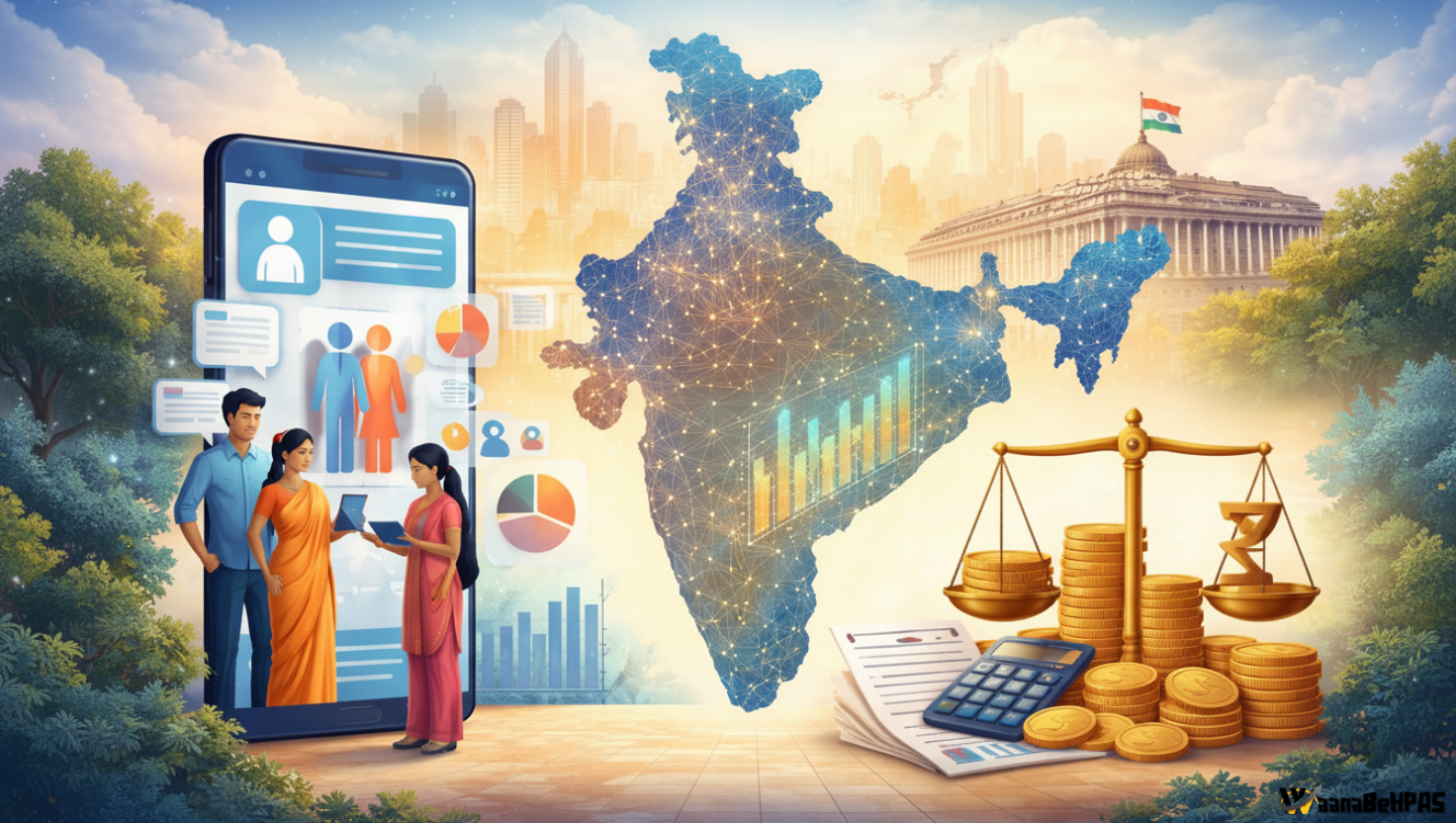
India is entering a new era of data-driven governance with the Digital Census 2027 and the fiscal reforms of the 16th Finance Commission, linking demographic data with performance-based fiscal transfers to reshape cooperative federalism.

Testing Fiscal Federalism: GST Gains and the Resurgence of Interstate Border Levies

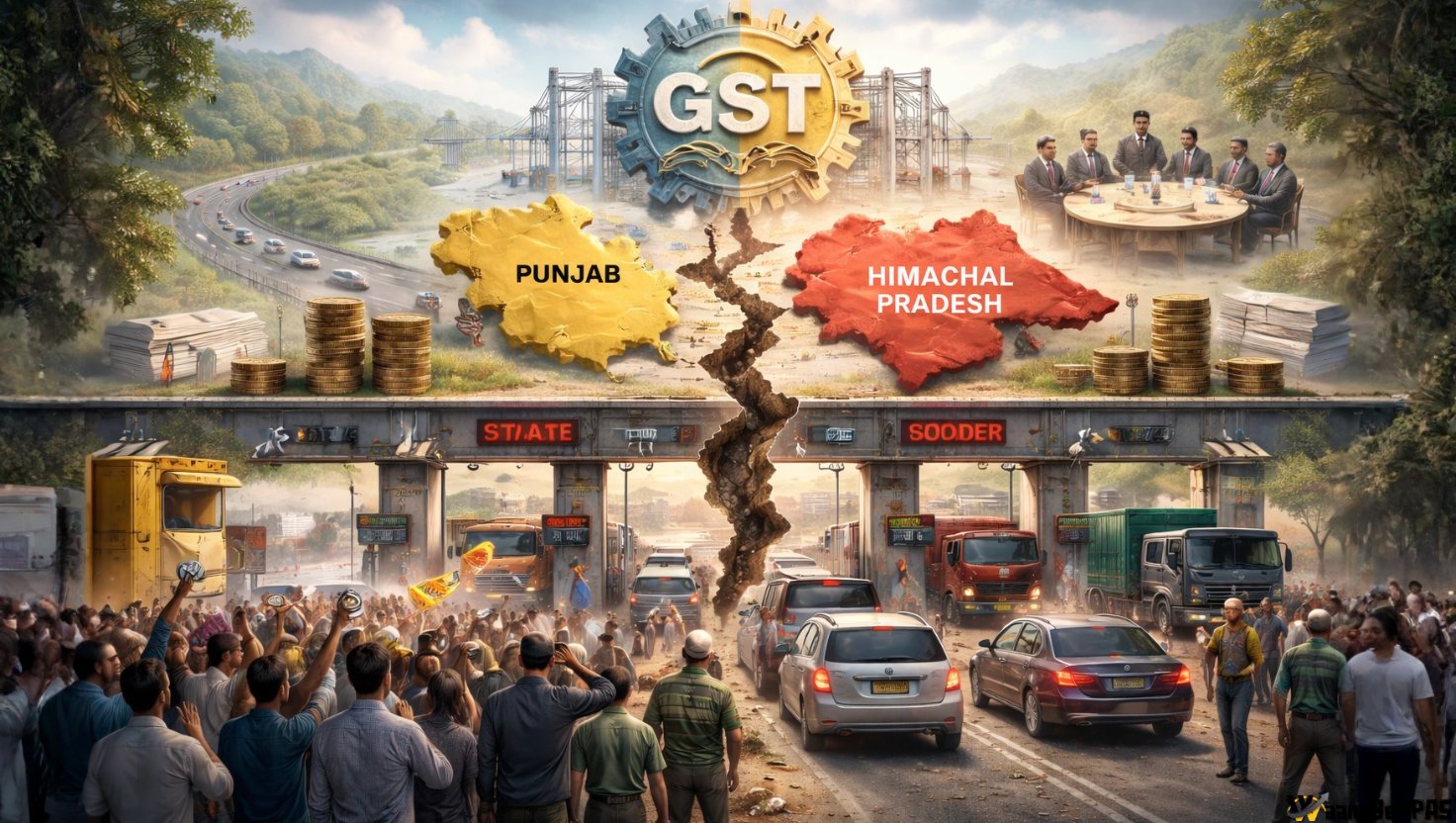
The Punjab–Himachal car levy protest highlights deeper tensions in India’s fiscal federalism. While GST unified the national market by dismantling border barriers, rising state-level entry taxes risk reviving pre-GST frictions and testing the balance between state autonomy and economic integration.

Assam’s Political Realignments (WannaBeHPAS)
Assam’s Political Realignments and the Evolving Federal Balance in India

Assam’s recent political realignments, including leadership churn and strategic defections, reflect deeper structural tensions within India’s federal framework. The episode highlights how identity politics, central dominance, and constitutional guardrails shape electoral behaviour and state–Centre dynamics.

DGCA Fines IndiGo
DGCA Fines IndiGo: A Case of Systemic Failure and Consumer Rights

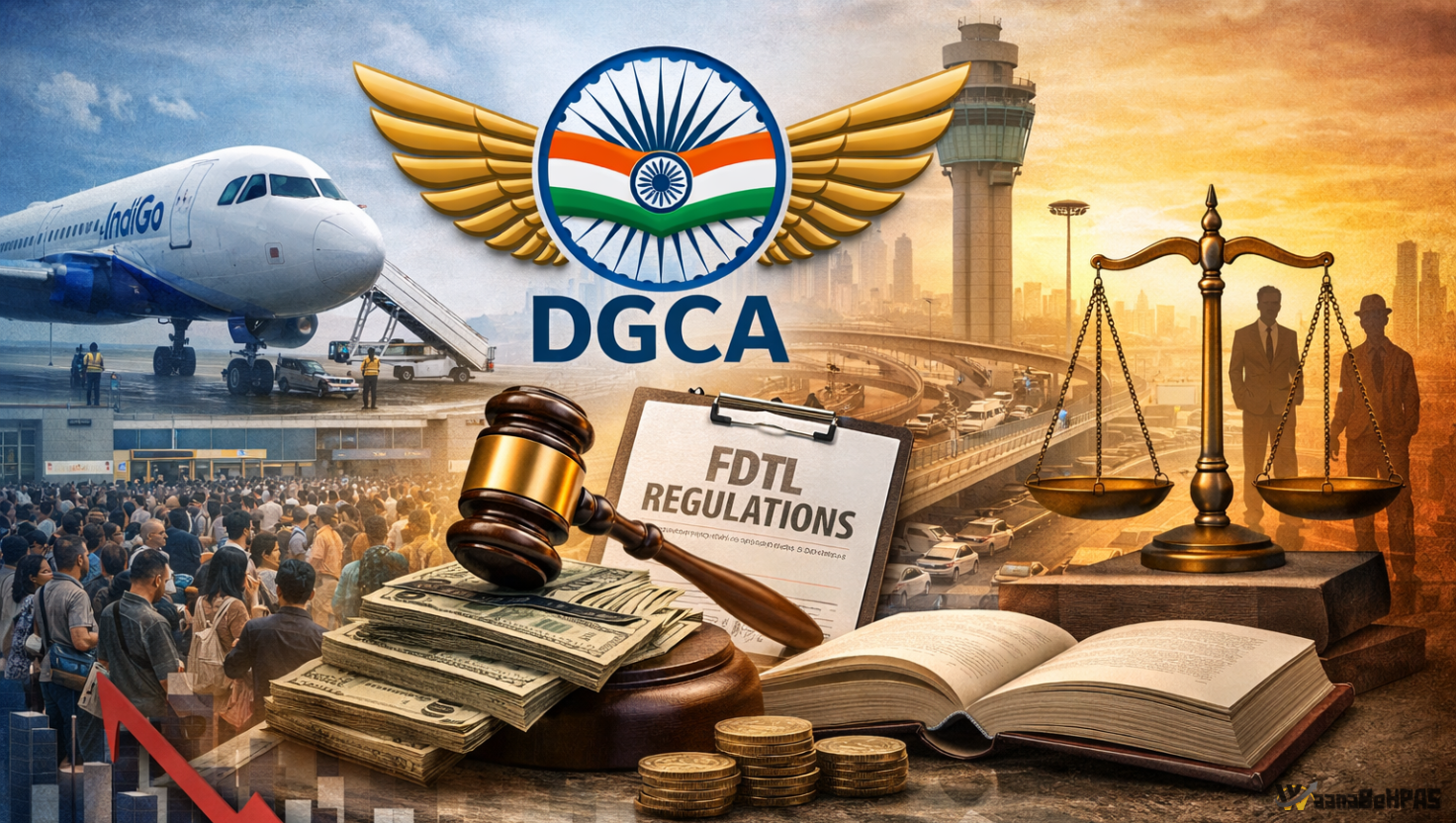
The DGCA’s penalty on IndiGo after the December 2025 meltdown exposed the clash between profit-driven over-utilisation and safety resilience, highlighting FDTL compliance, consumer rights and the need for stronger aviation governance in India.

Andhra Pradesh’s WhatsApp Governance Model
WhatsApp Governance Model

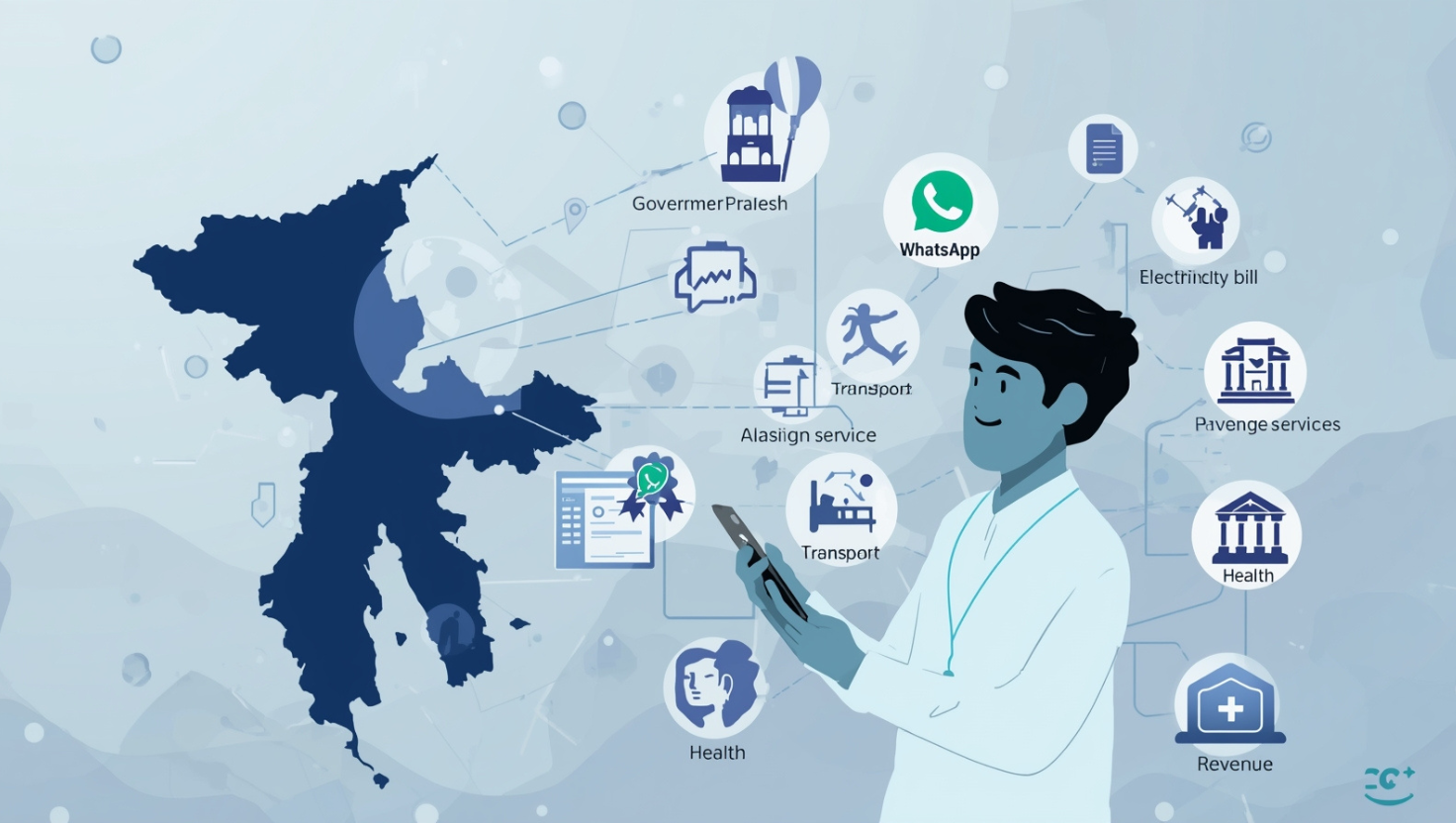
Mana Mitra is Andhra Pradesh’s WhatsApp-based governance platform providing 700+ public services digitally, improving access, transparency and delivery.

Asian Youth Games 2025

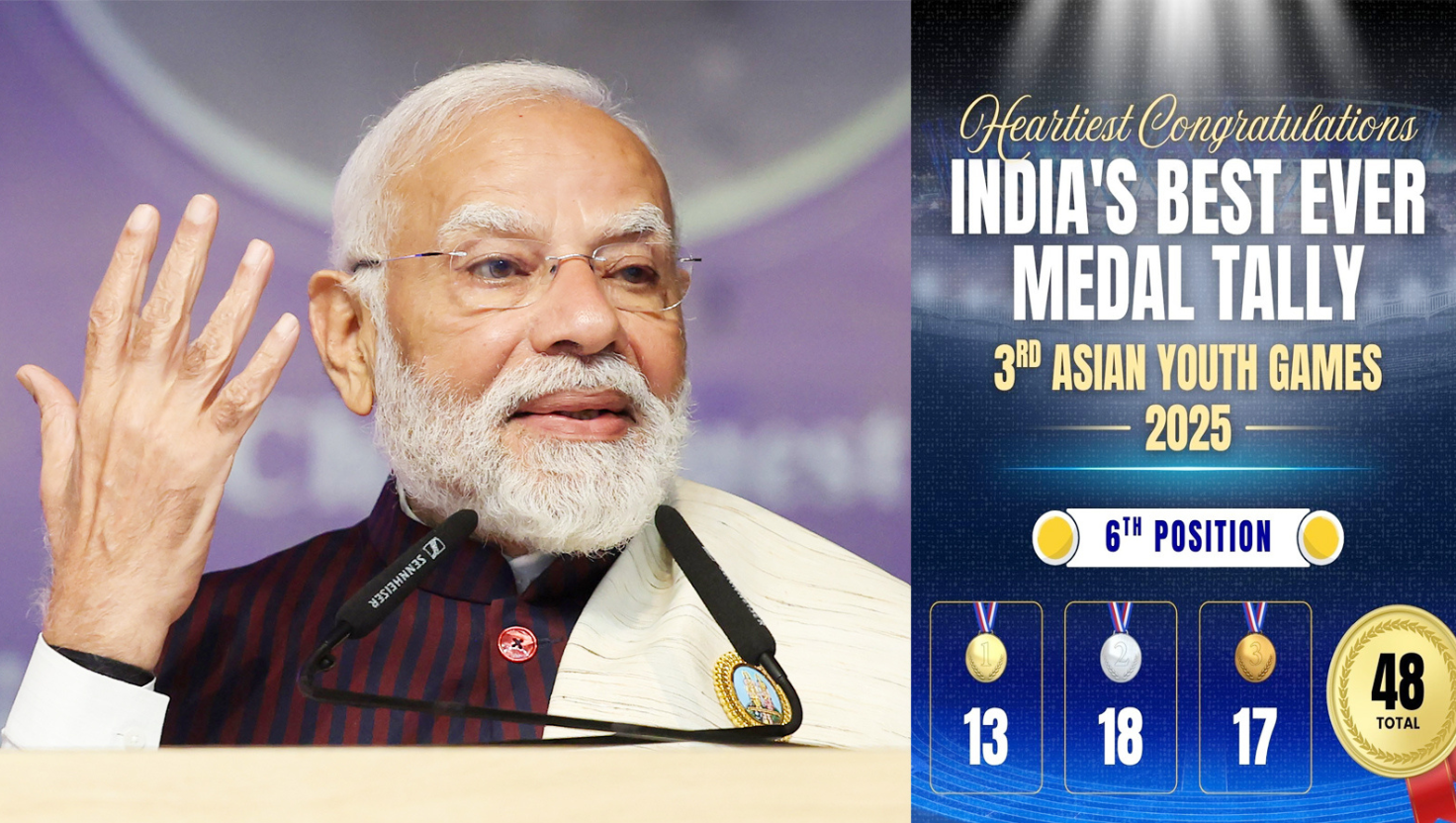
India shines at the Asian Youth Games 2025 in Bahrain, winning a record 48 medals — its best-ever performance, showcasing rising youth sports talent.

Employee’s Enrolment Scheme 2025

The Employee’s Enrolment Scheme 2025 allows employers to voluntarily enrol uncovered workers under EPF, expanding social security and formalisation.

S.P. Mittal vs Union of India (1983)

SC held Sri Aurobindo Society not a religious denomination; upheld Auroville Act, 1980 as valid and non-violative of fundamental rights.

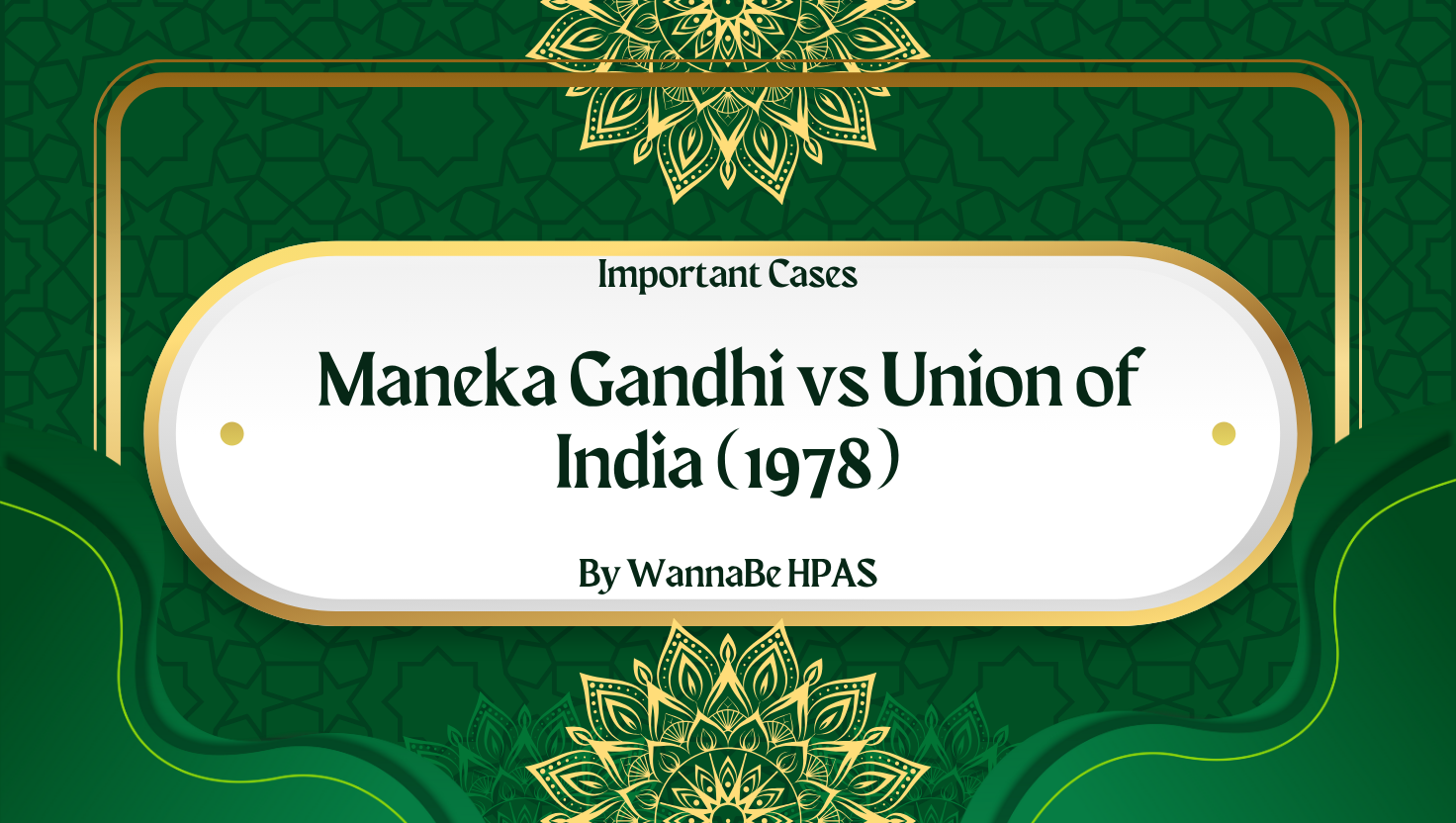
Maneka Gandhi vs Union of India (1978)

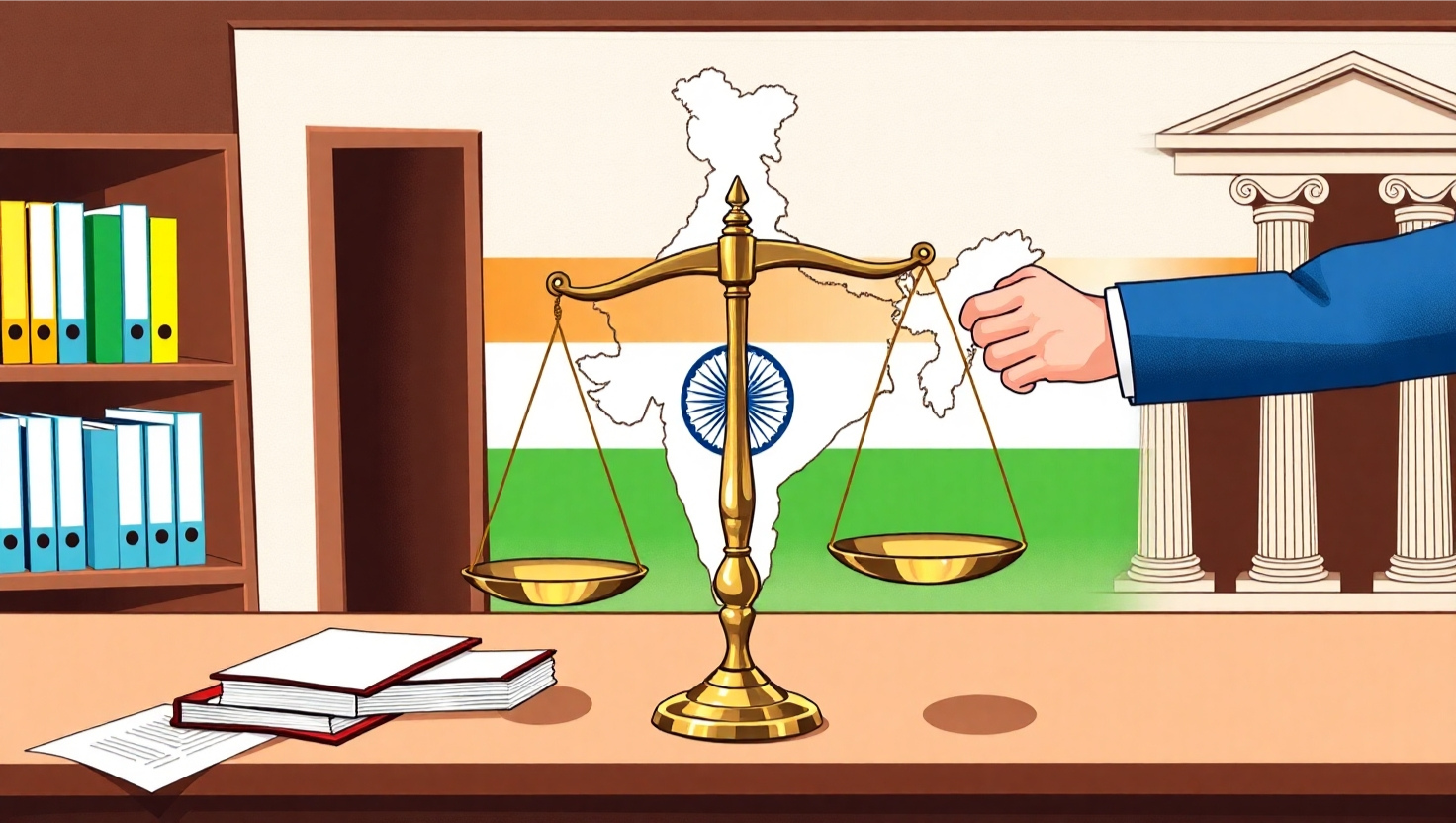
Landmark case expanding Article 21; established the Golden Triangle of Articles 14, 19 & 21, ensuring fair, just, and reasonable laws.

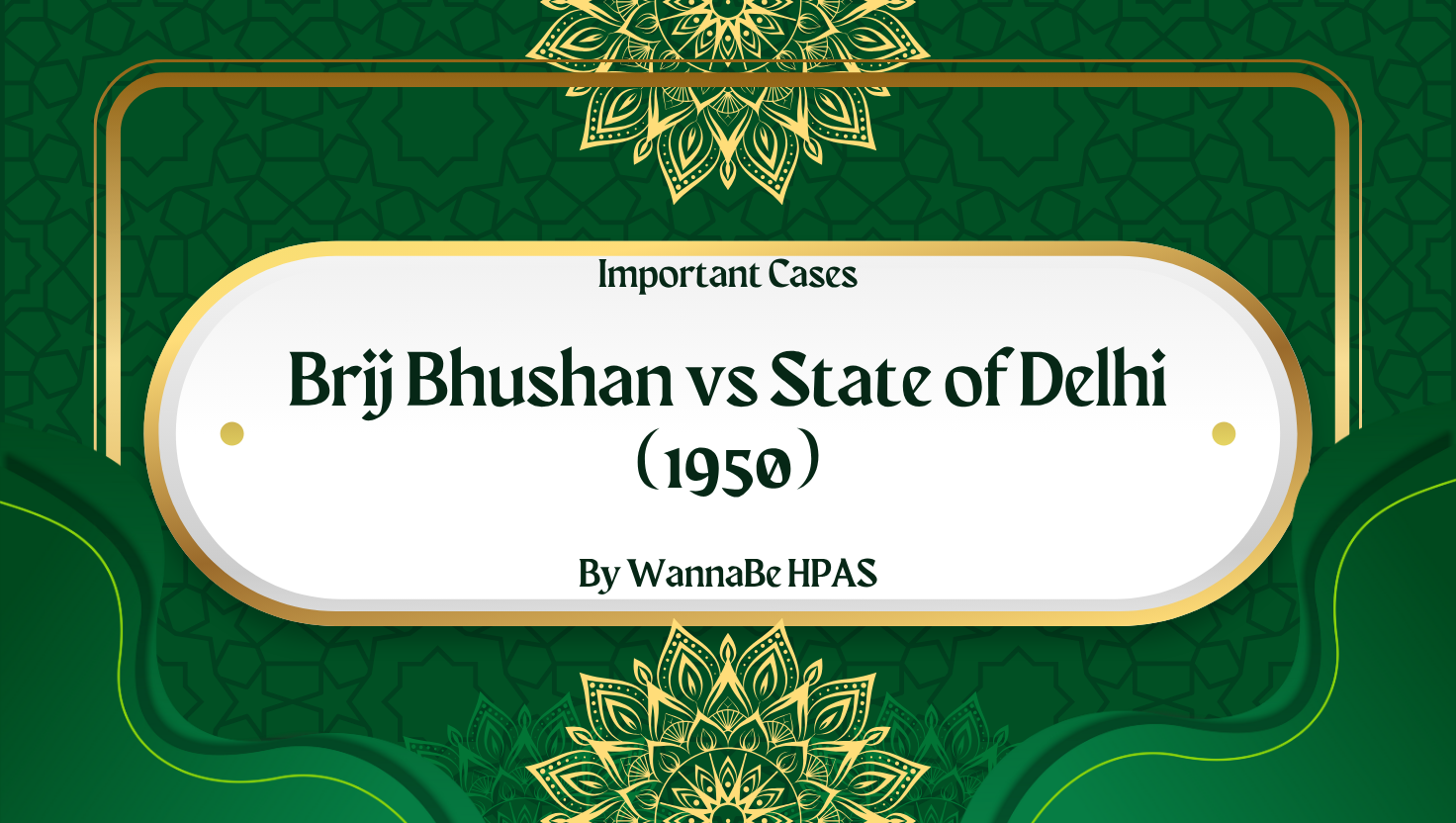
Brij Bhushan vs State of Delhi (1950)
Brij Bhushan vs State of Delhi

The Brij Bhushan case (1950) upheld press freedom, ruling that pre-censorship violates Article 19(1)(a) unless justified by public order.

Bijoe Emmanuel vs State of Kerala (1986)

The 1986 Bijoe Emmanuel vs State of Kerala case upheld the right to freedom of religion and expression, affirming that patriotism cannot be forced.

Bharat Taxi
Bharat Taxi

Bharat Taxi, India’s first cooperative cab service, empowers drivers as owners, ensuring fair income, transparency, and affordable mobility.

RTI at 20
RTI at 20: Transparency on the Decline

RTI Act at 20 shows declining transparency due to vacancies, weak enforcement, and new privacy laws undermining citizens’ right to information.

International Purple Fest 2025

International Purple Fest 2025 in Goa promoted inclusion and accessibility, empowering persons with disabilities through innovation and awareness.

Union Territory
Nominations to Union Territory Assemblies

In Union Territory Assemblies, nominated MLAs are appointed by the Centre or LG, unlike States where Governors act on ministerial advice. J&K allows 5 such nominees.

Indian Ports Bill, 2025

Indian Ports Bill, 2025 Syllabus: Governance (UPSC Prelims)Source: FPJ Context: The Rajya Sabha has passed the Indian Ports Bill, 2025, replacing the colonial-era Indian Ports Act, 1908. What It Is Objectives Key Provisions Institutional Reforms Operational Reforms Environmental & Safety Measures Importance

Carriage of Goods by Sea Bill, 2025

Carriage of Goods by Sea Bill, 2025 modernises maritime trade laws, adopts Hague–Visby Rules, and boosts India’s role as a global shipping hub.

India Electric Mobility Index
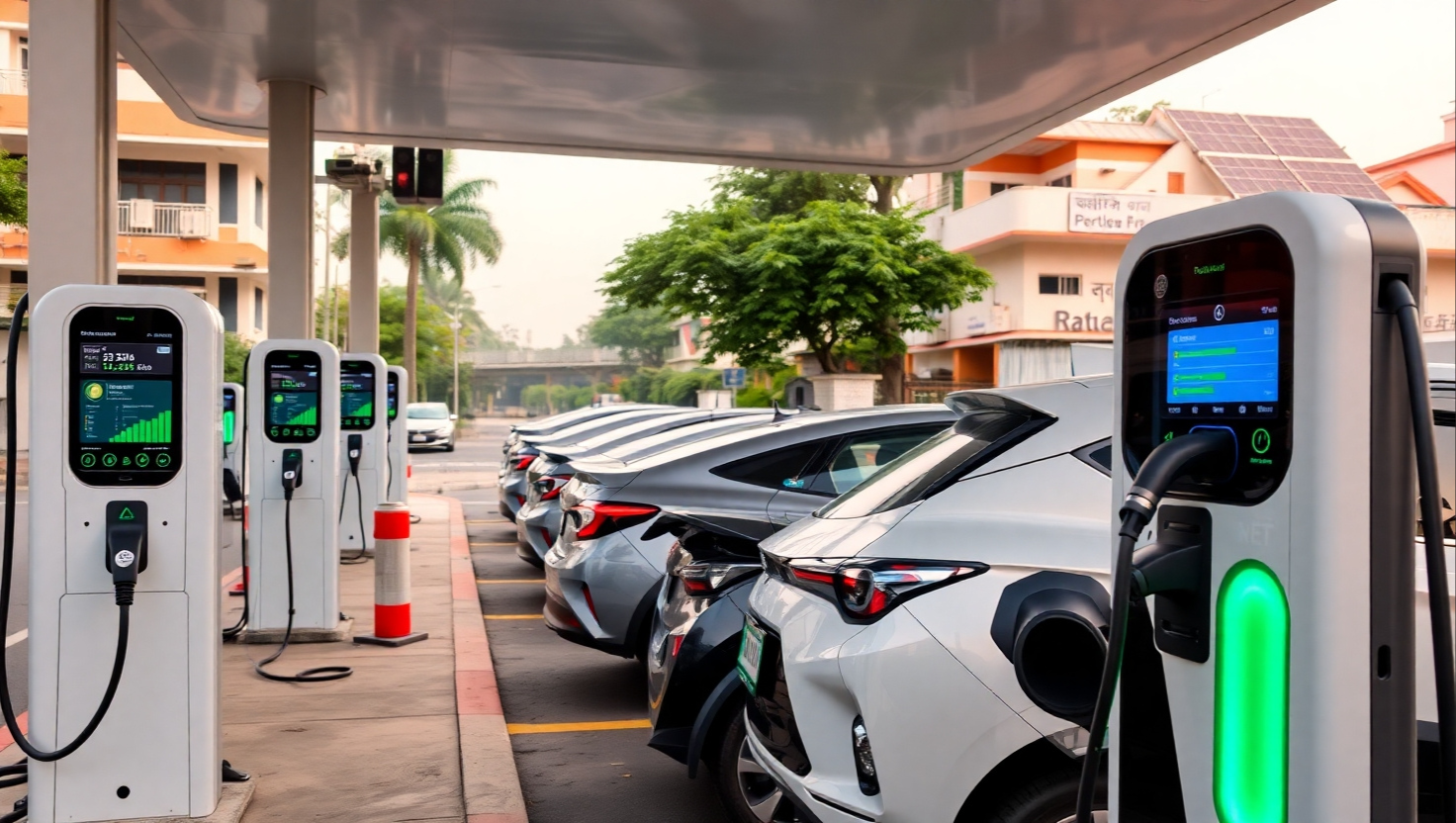
India Electric Mobility Index (IEMI) 2024

NITI Aayog launched the India Electric Mobility Index to rank States/UTs on EV adoption, infra readiness & innovation for green mobility.

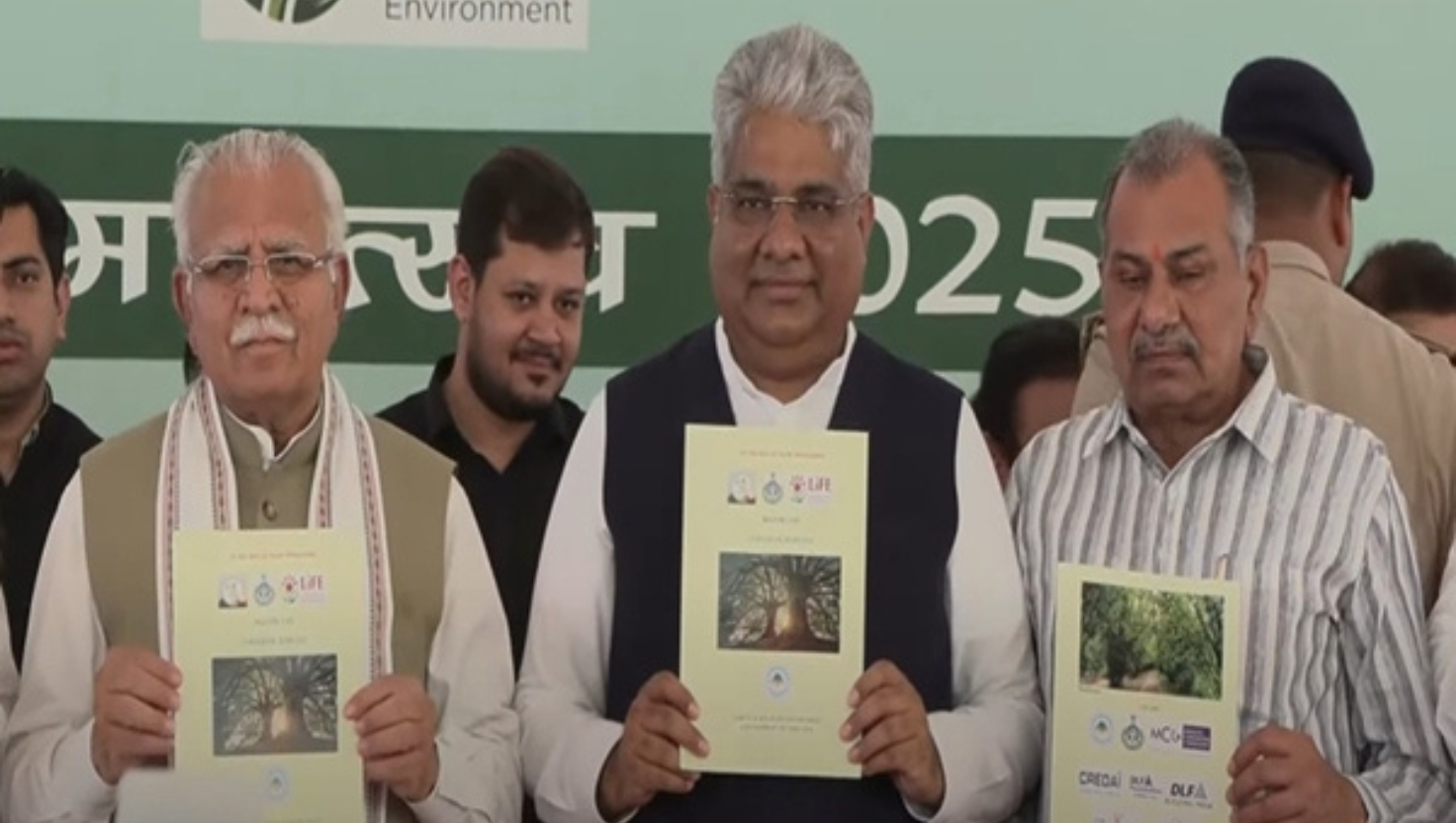
Matri Van Initiative, a 750-acre urban forest in Gurugram, focuses on restoring the Aravalli ecosystem through community-driven ecological efforts.
Matri Van Initiative

Matri Van Initiative, a 750-acre urban forest in Gurugram, focuses on restoring the Aravalli ecosystem through community-driven ecological efforts.

AI-Powered Anganwadi
India’s First AI-Powered Anganwadi

India’s first AI-Powered Anganwadi launched in Nagpur to boost rural preschool education through AI, VR, and digital learning under Mission Bal Bharari.

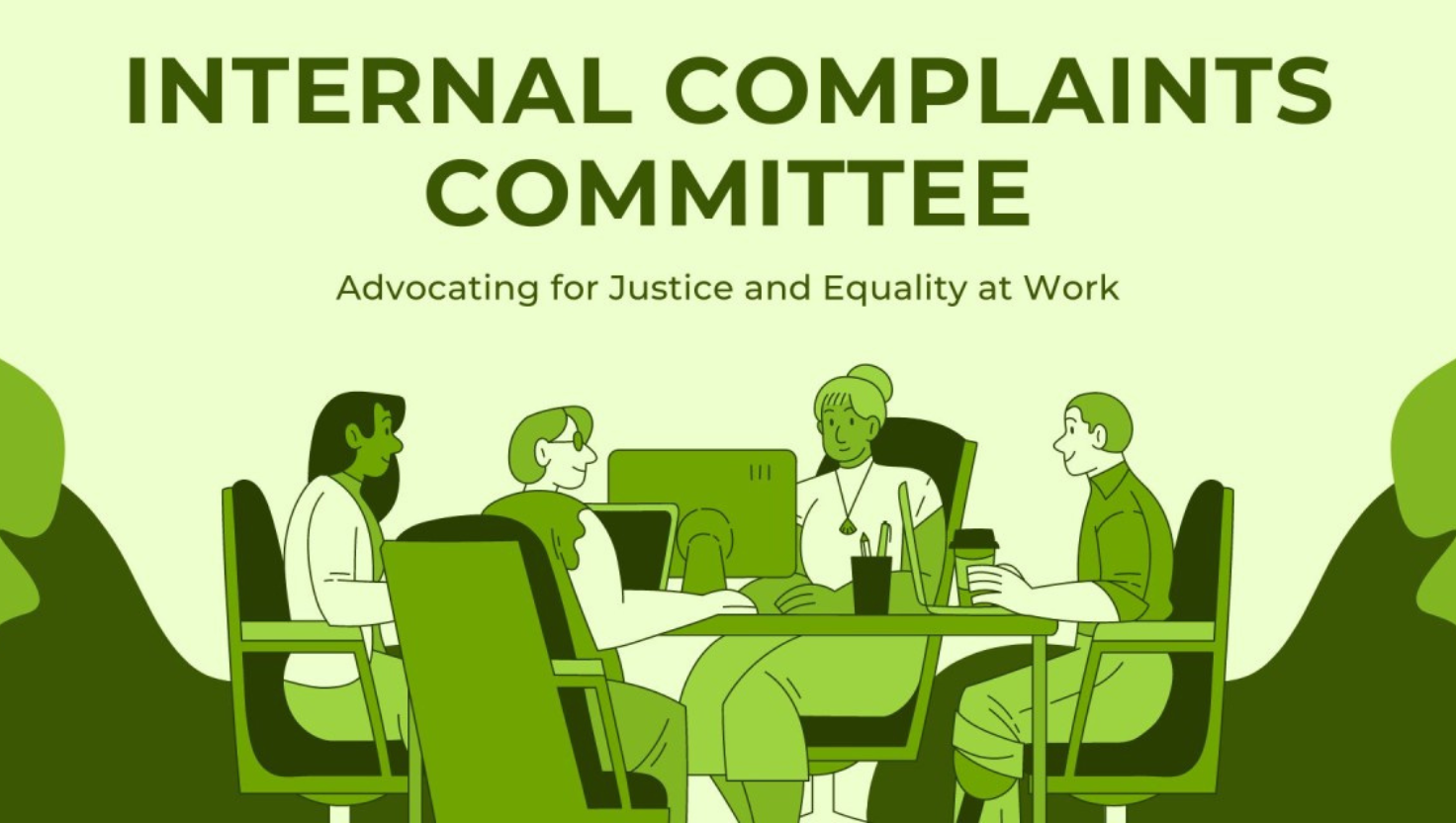
Internal Complaints Committee
Internal Complaints Committee (ICC)

The Internal Complaints Committee under the POSH Act ensures safe, fair, and confidential redressal of workplace sexual harassment cases.

Veer Parivar Sahayata Yojana

NALSA launches ‘Veer Parivar Sahayata Yojana’ to provide free legal aid to armed forces and families, linking welfare with internal security.

World Population Day 2025
World Population Day 2025 and Census 2027

Census 2027 to be India’s first digital and inclusive census, featuring caste data, mobile app-based enumeration, and online self-enumeration.

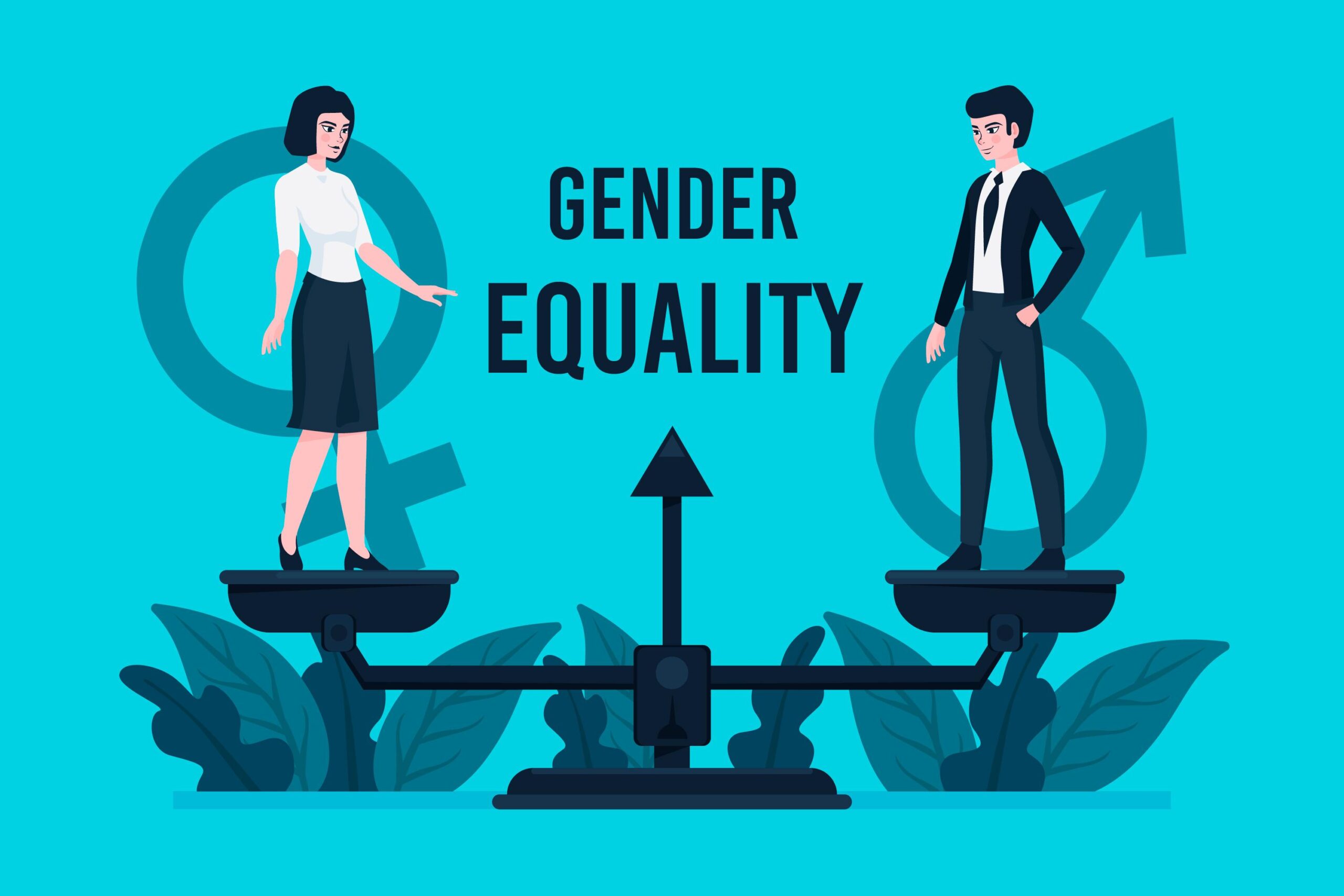
Gender equality
Gender Equity in Urban Bureaucracy

Despite 46% women in urban local bodies, technical roles in planning, engineering, and policing remain male-dominated, limiting inclusive governance.

Niti Ayog's Report
NITI Aayog’s Report on Improving India’s Data Quality

Ensuring Data Accuracy: Key Highlights from NITI Aayog’s Report Exam Relevance: Governance GS Paper II (UPSC) Source: Live Mint Why In News: NITI Aayog’s Report NITI Aayog has released its report titled “India’s Data Imperative: The Pivot Towards Quality”, highlighting the urgent need to improve the quality of public data in India to ensure better governance and service delivery. What is India’s Data Ecosystem? India’s data ecosystem includes digital infrastructure, platforms, and databases that support governance, welfare schemes, and financial

Facebook
Telegram
X
WhatsApp
Email

You May Also Like