
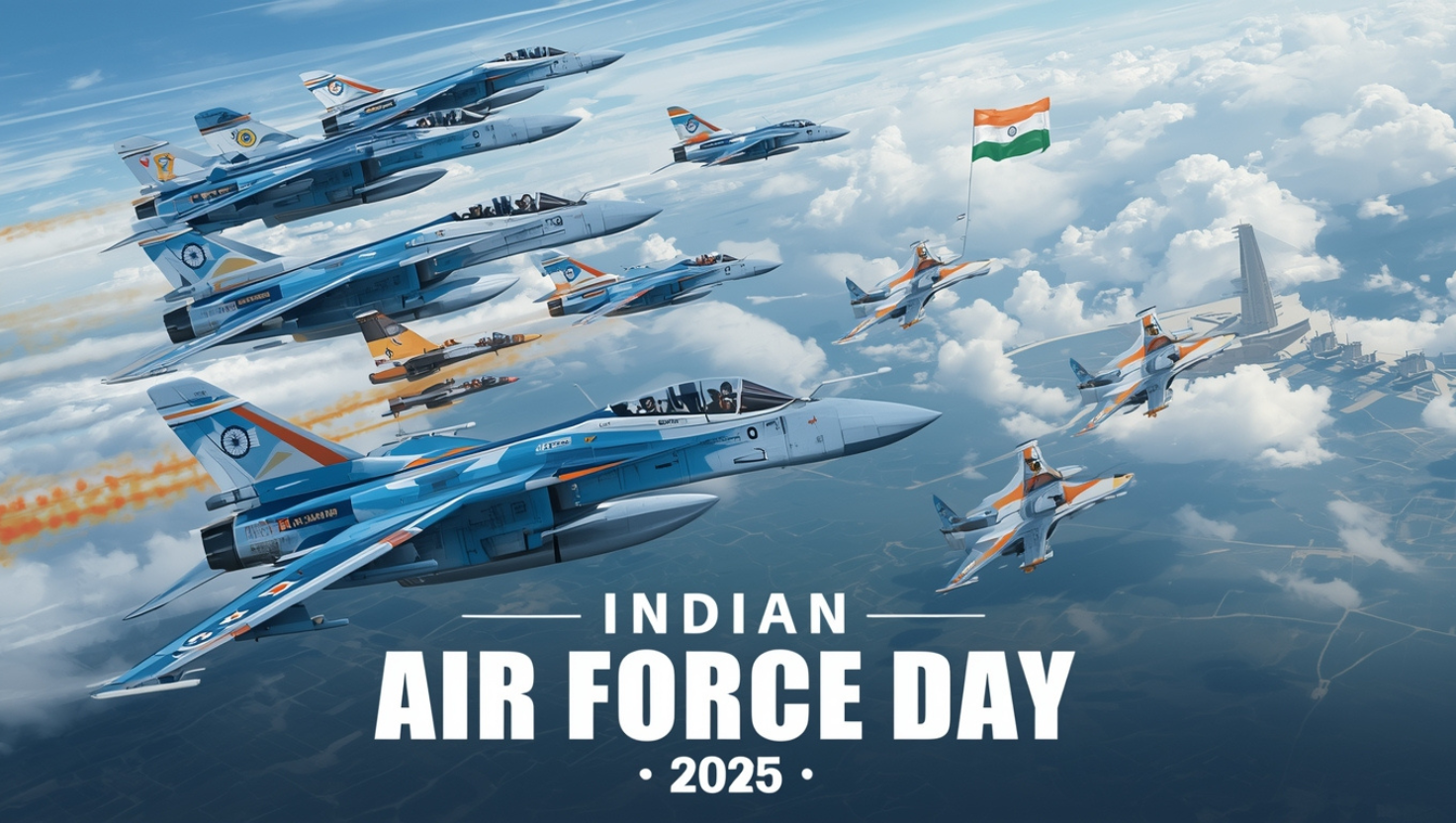
Indian Air Force Day 2025
Indian Air Force Day 2025: Celebrates IAF’s 93 years of valor, honoring air warriors, modern capabilities, and the retirement of the MiG-21.
Indian Air Force Day 2025: Celebrates IAF’s 93 years of valor, honoring air warriors, modern capabilities, and the retirement of the MiG-21.
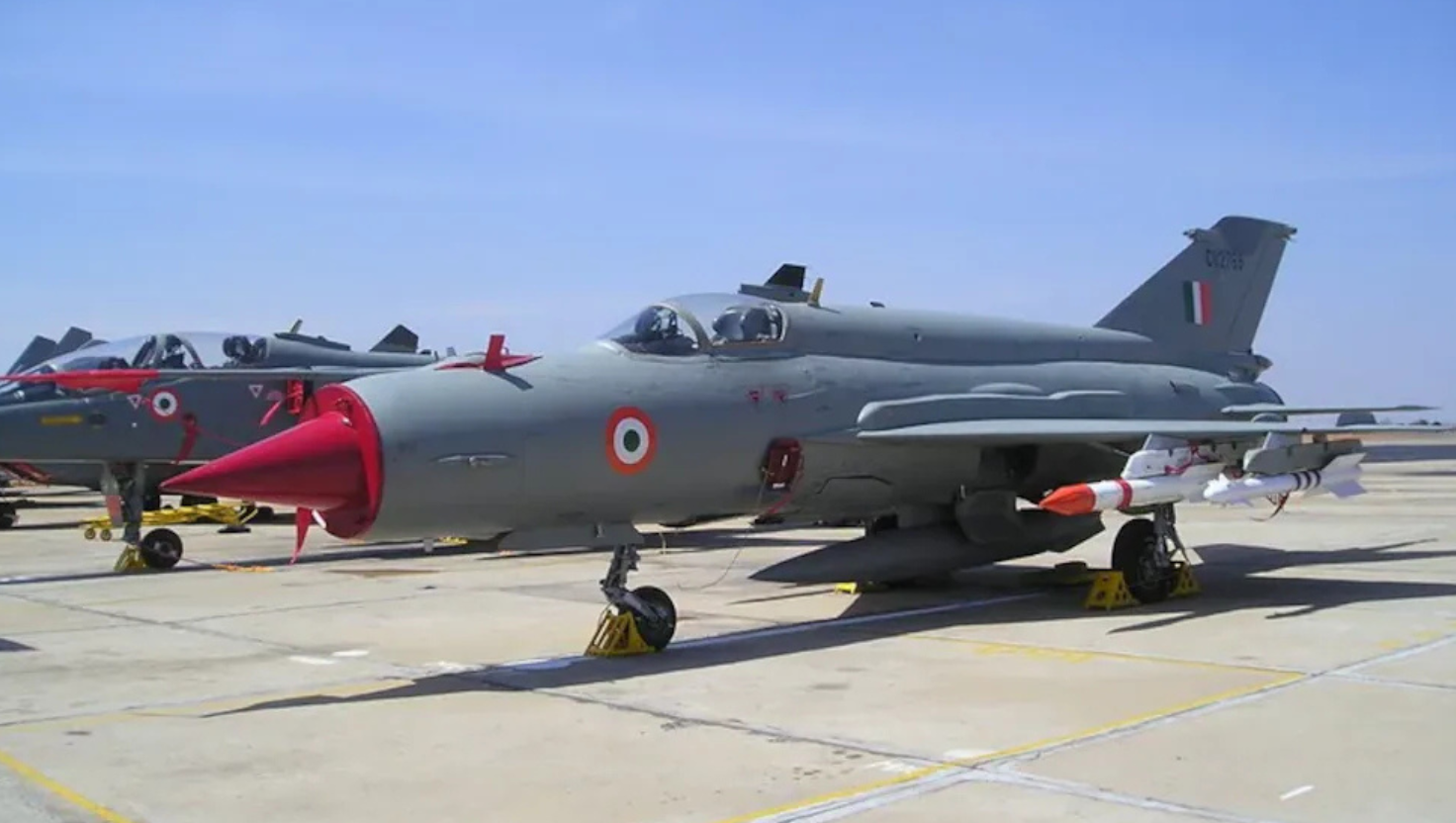
The MiG-21, India’s first supersonic jet, served 60 years in IAF, key in wars but infamous for frequent crashes.
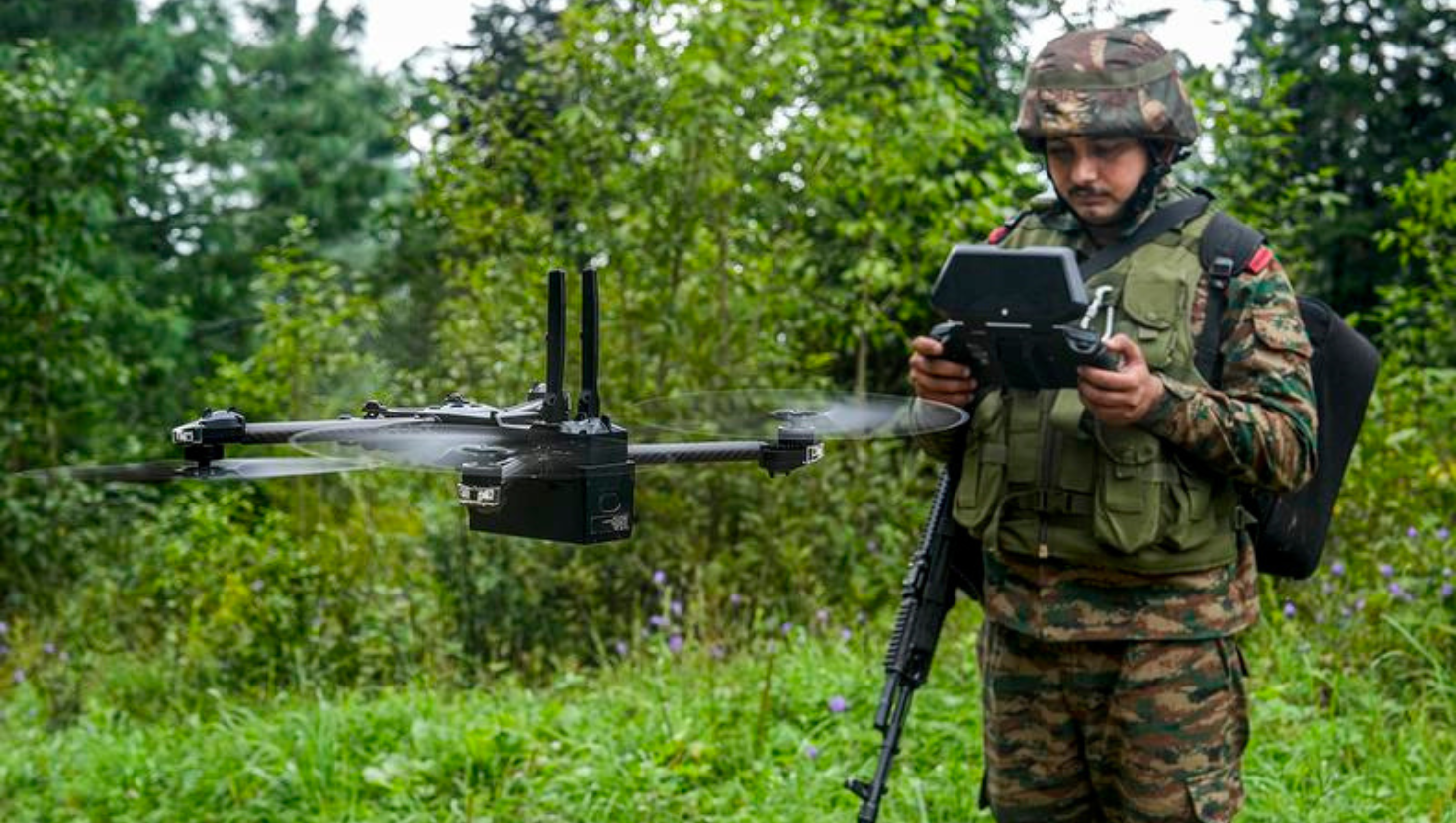
Exercise Cold Start is India’s largest tri-service drone drill, testing counter-drone systems and joint readiness for future conflicts.
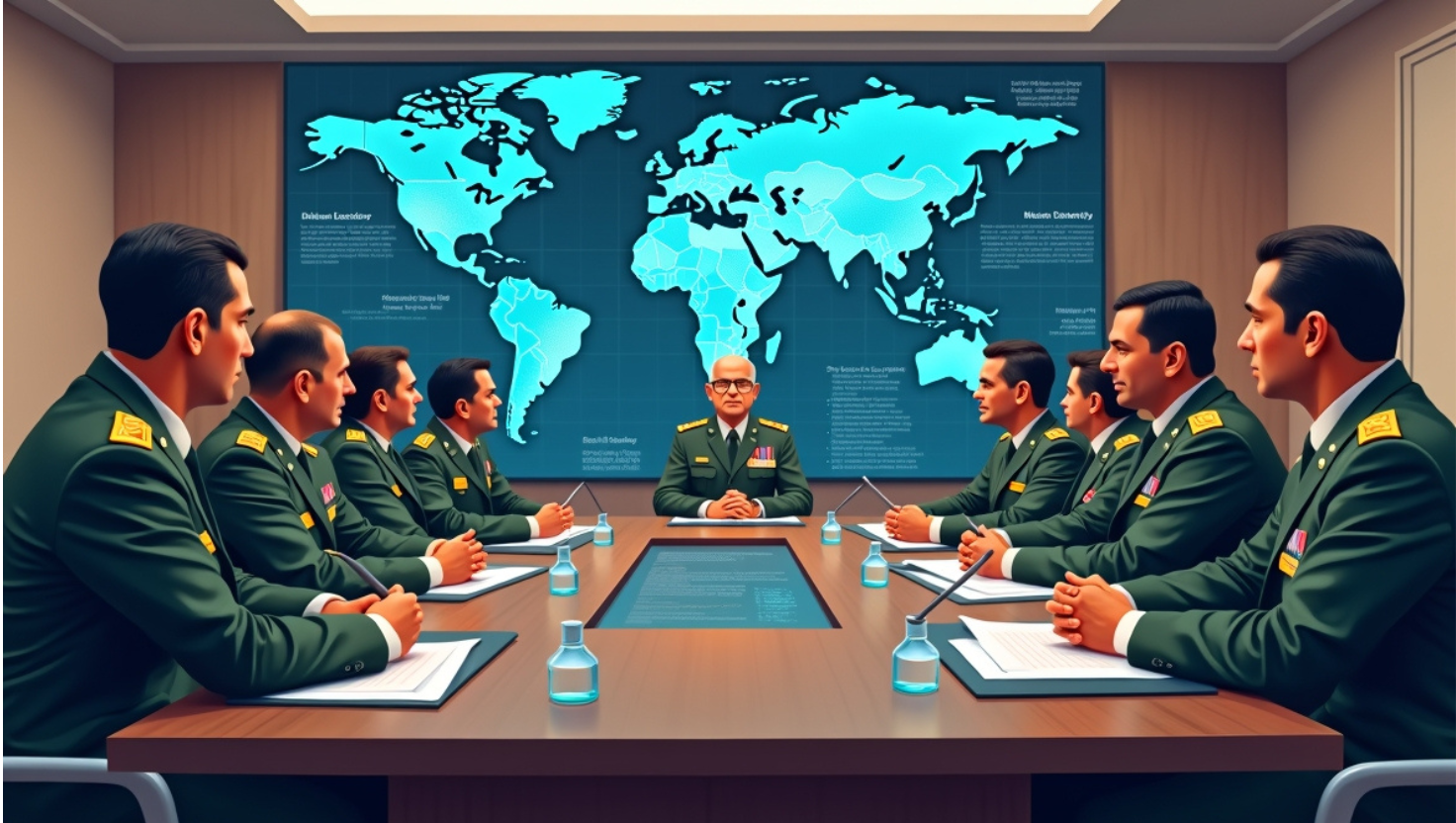
CORE Programme strengthens civil–military coordination, strategic leadership, and preparedness for multidimensional security threats
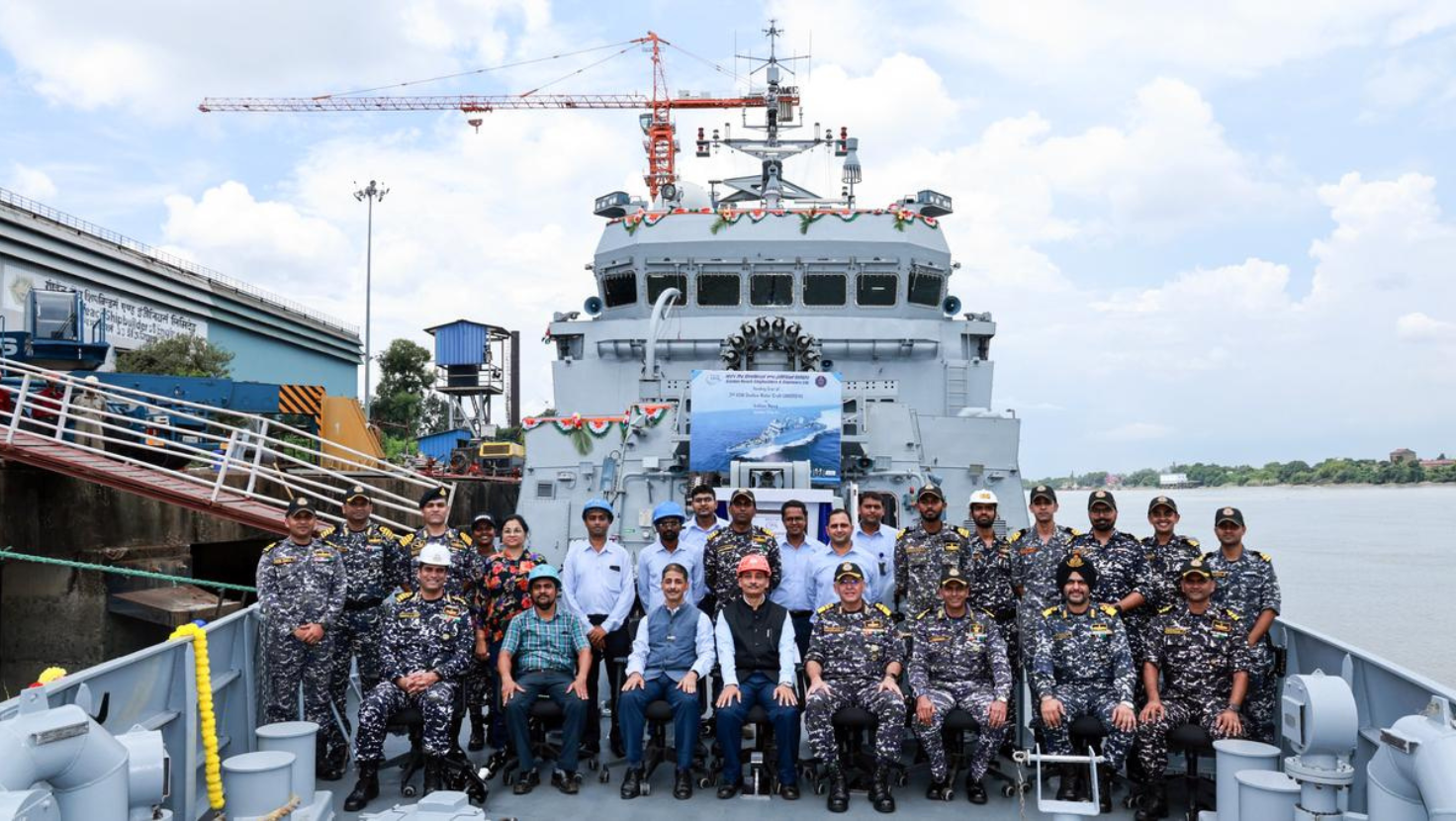
Indian Navy inducts Androth, second indigenously built ASW Shallow Water Craft, enhancing coastal and anti-submarine capabilities.
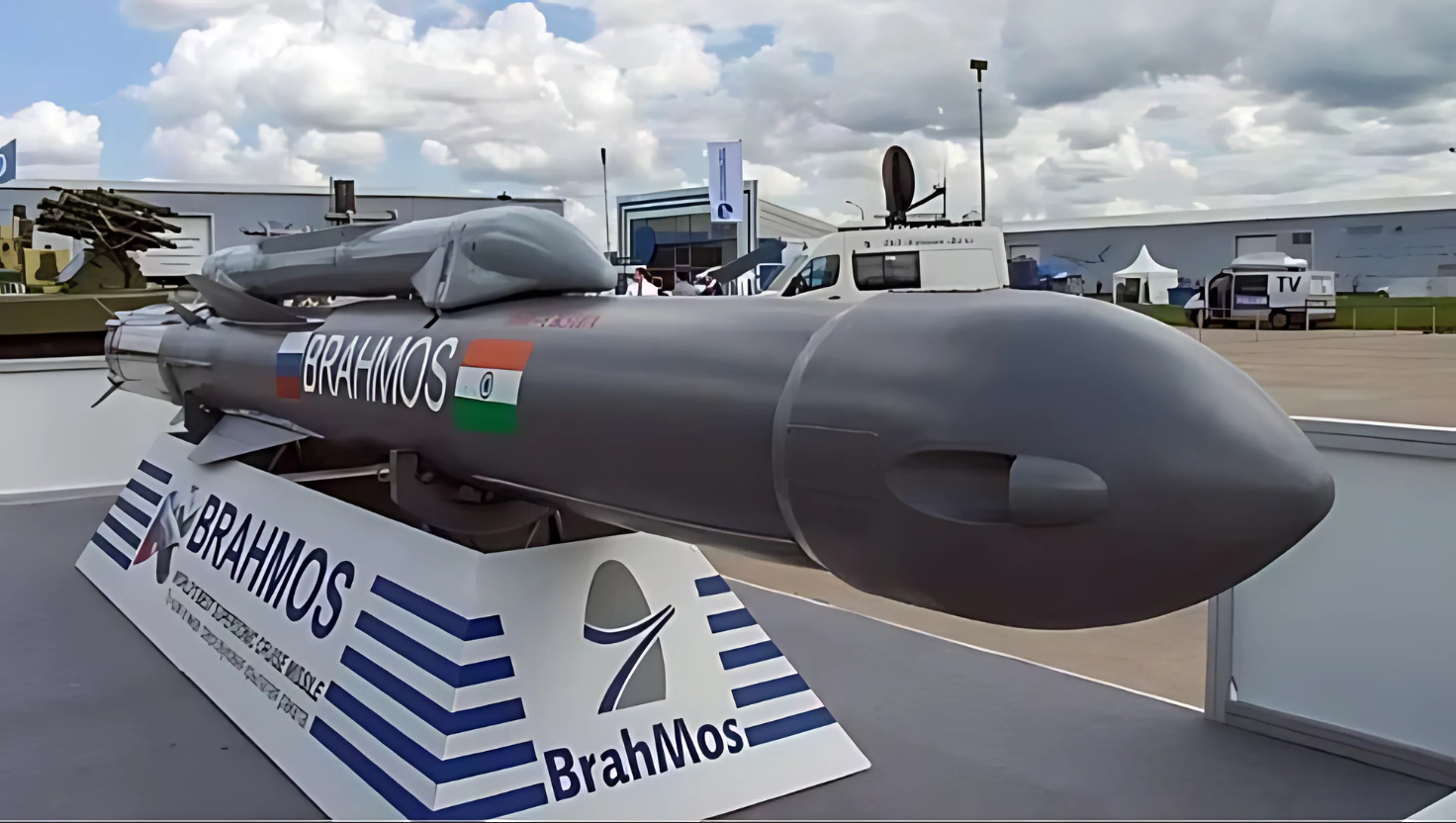
BrahMos Supersonic Cruise Missile, jointly developed by India and Russia, boosts precision-strike capability with multi-platform deployment.

India advances defence readiness as MoD approves MRO facility for S-400 ‘Sudarshan Chakra’, enhancing long-range air threat interception capabilities.
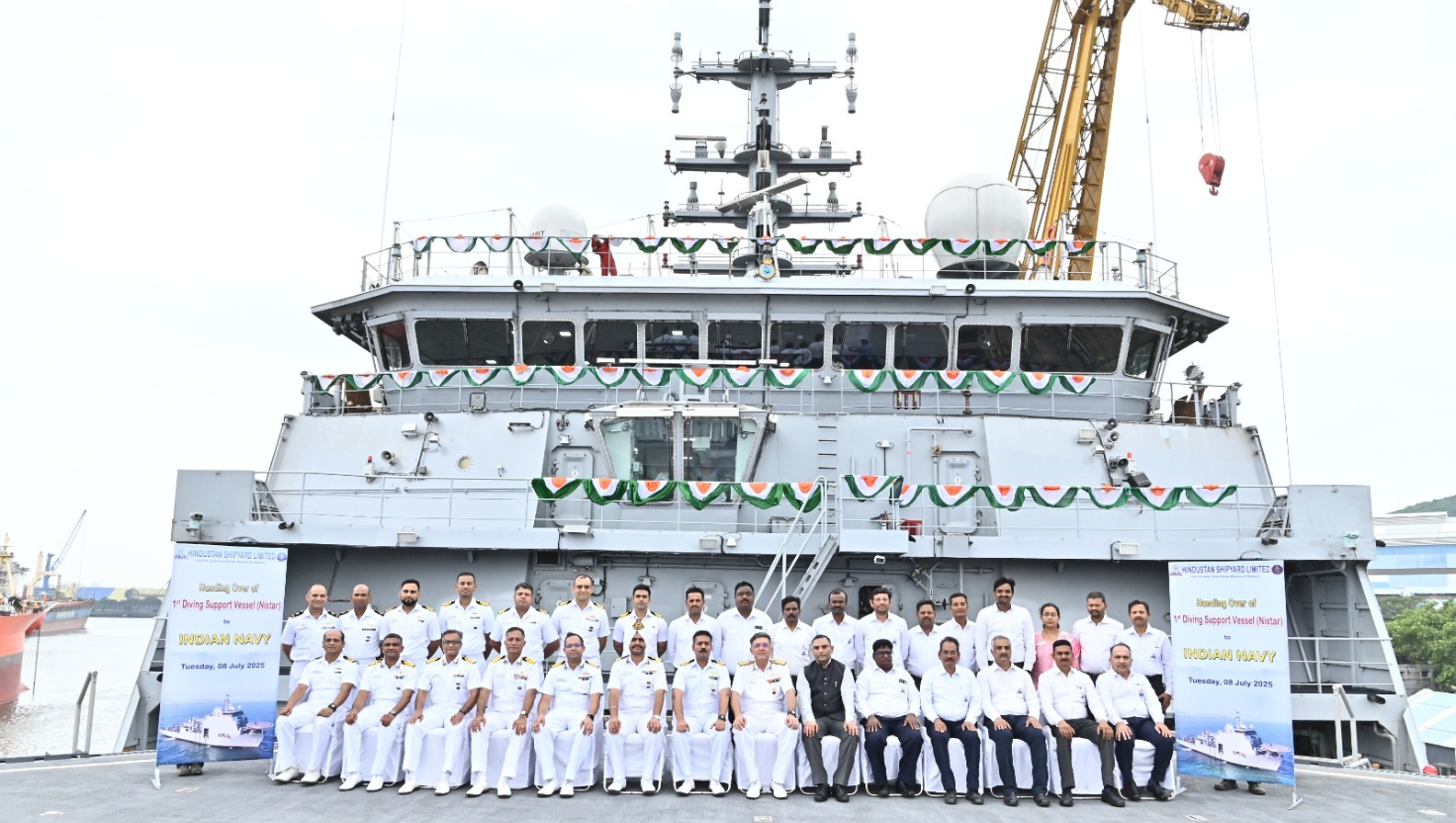
The Indian Navy officially welcomed ‘Nistar’, its first domestically built and designed Diving Support Vessel (DSV). Hindustan Shipyard Limited(HSL) formally turned over the warship to the navy at a ceremony in Visakhapatnam (Andhra Pradesh).
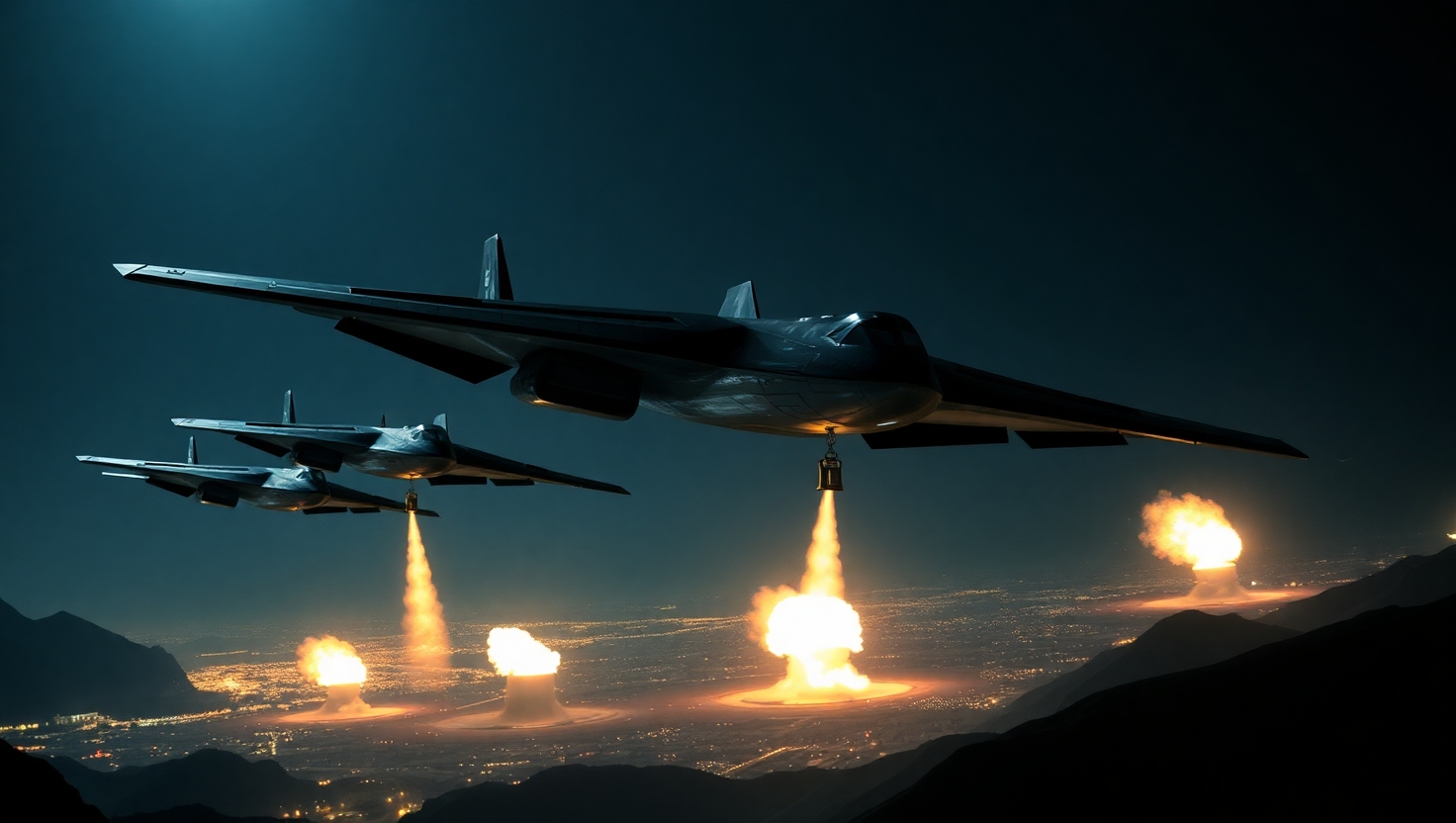
Operation Midnight Hammer – US Precision Strike on Iran’s Nuclear Sites Source: NDTVCategory: International Relations | Defence | Strategic Affairs Why In News: Operation Midnight Hammer The United States has launched Operation Midnight Hammer, a classified precision airstrike targeting Iran’s nuclear infrastructure. Key nuclear sites such as Fordow, Natanz, and Isfahan were struck using stealth bombers and bunker-buster bombs. What is Operation Midnight Hammer? Objective: Weapons & Assets Used: About B-2 Spirit Stealth Bomber: Key Features: Significance: Prelims Power Shots:
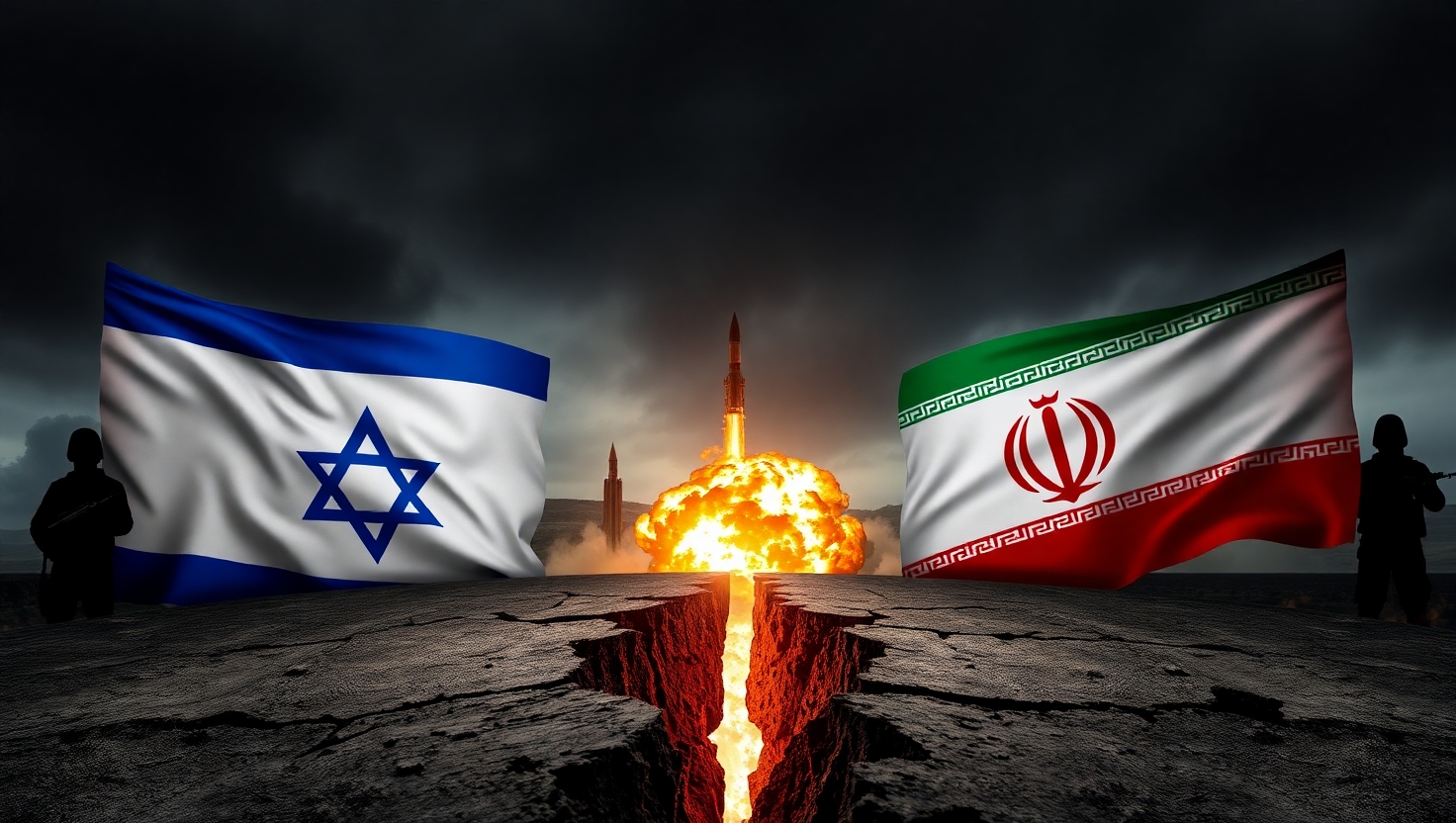
This is a Demo excerpt.

The geographical setting of ancient India shaped its political and

The Global Conference on Women in Agri-Food Systems (GCWAS-2026) highlights
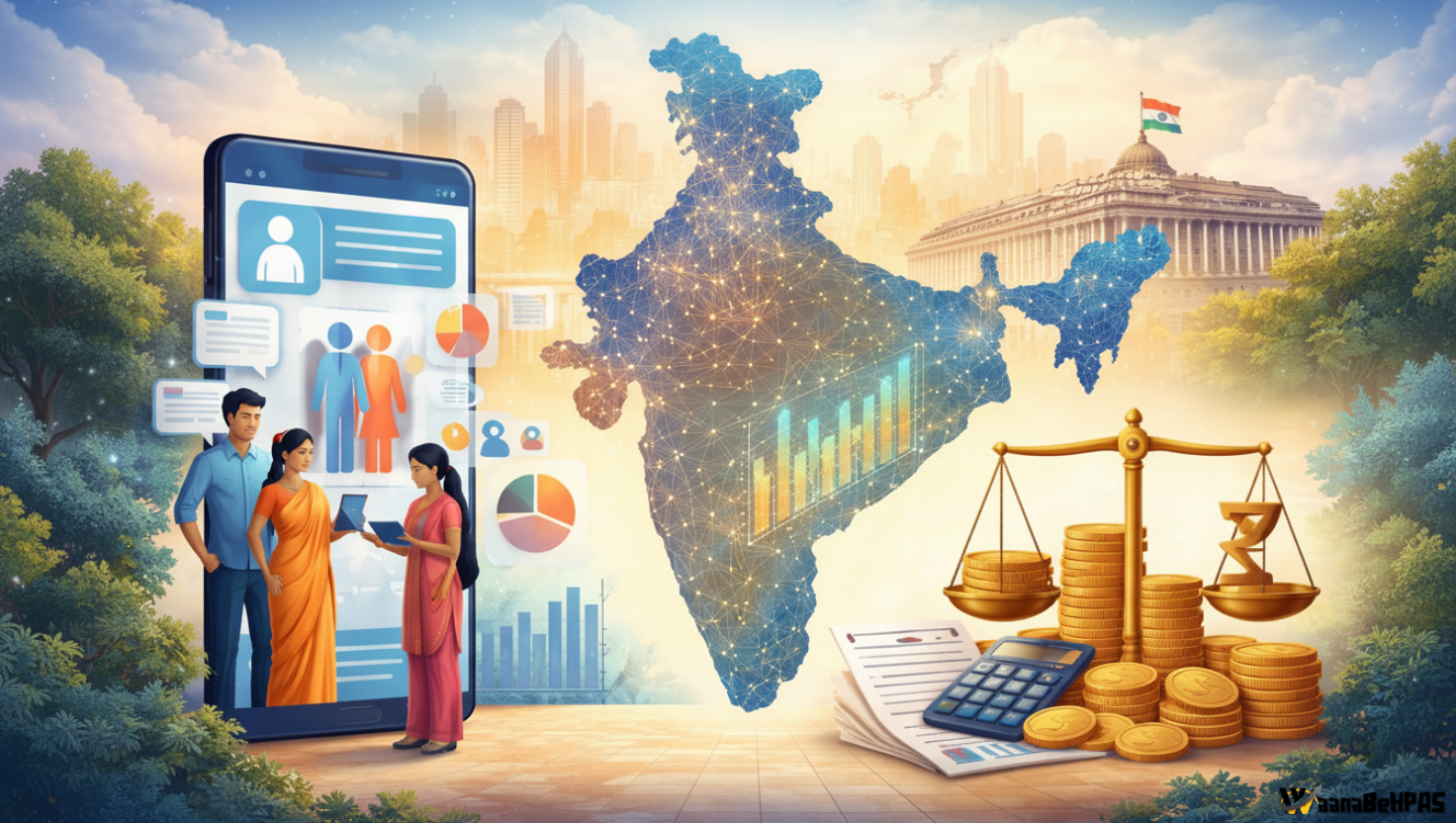
India is entering a new era of data-driven governance with
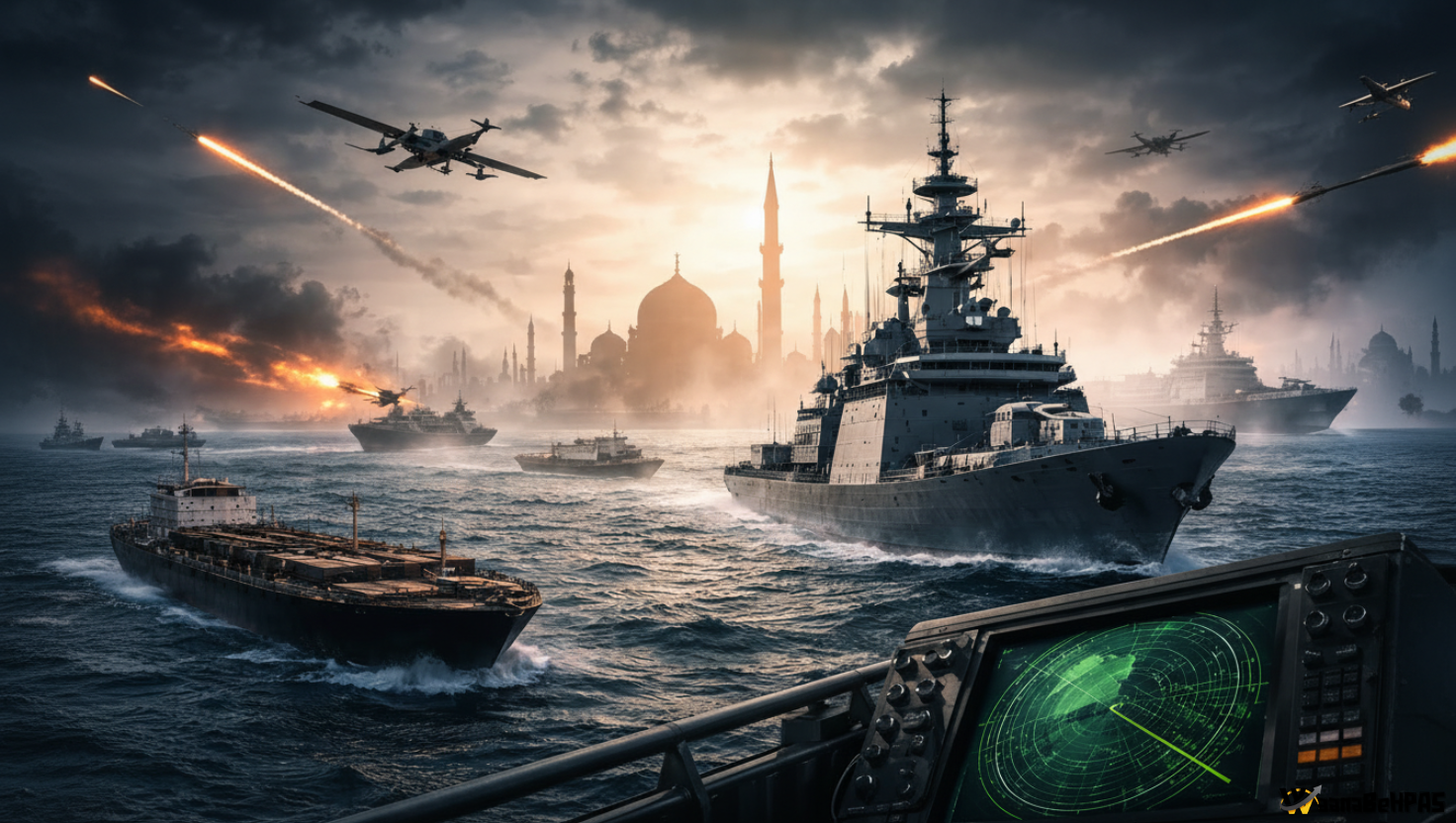
Rising tensions in West Asia threaten vital maritime trade routes,
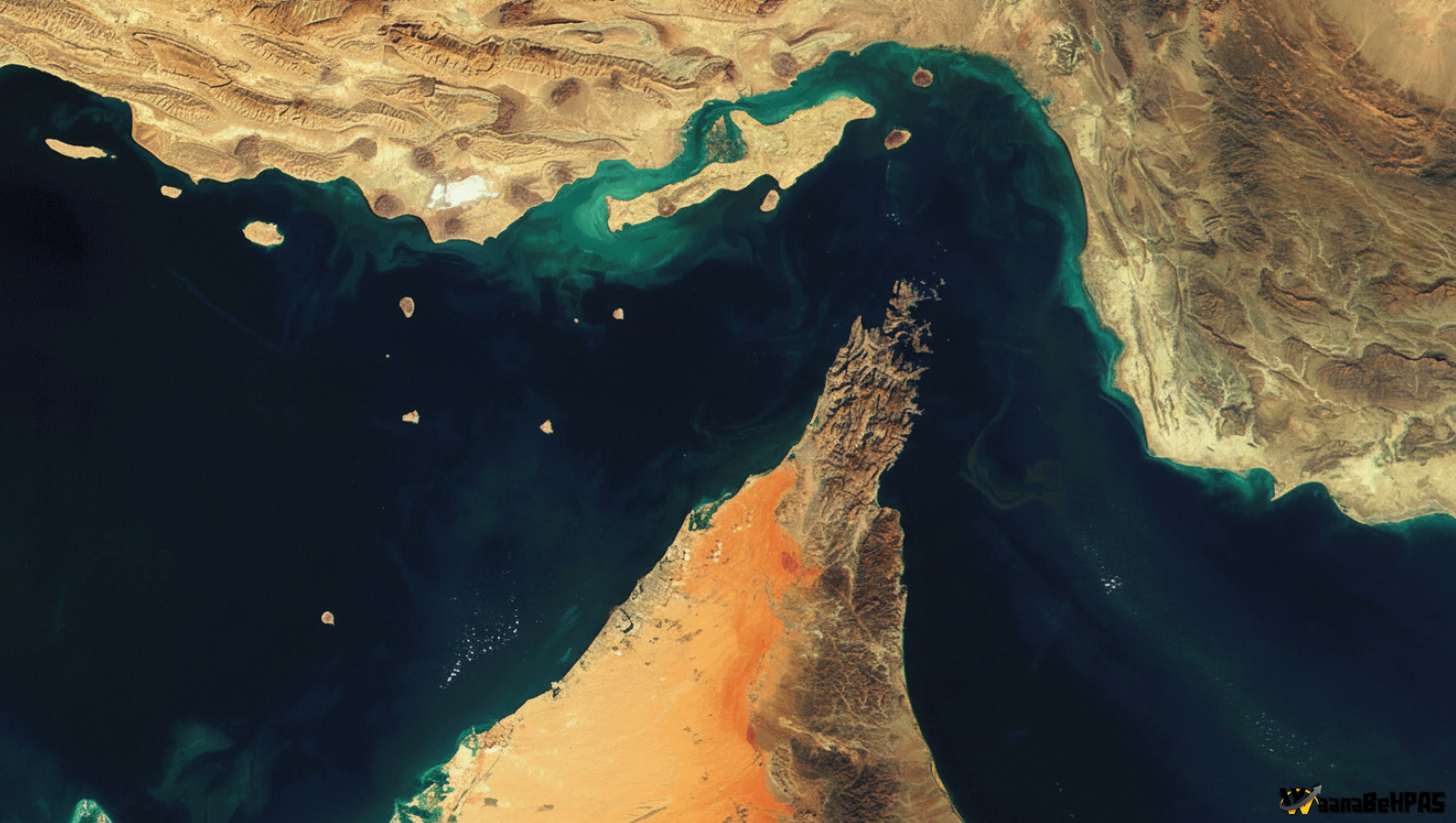
The Strait of Hormuz, the world’s most critical energy chokepoint,
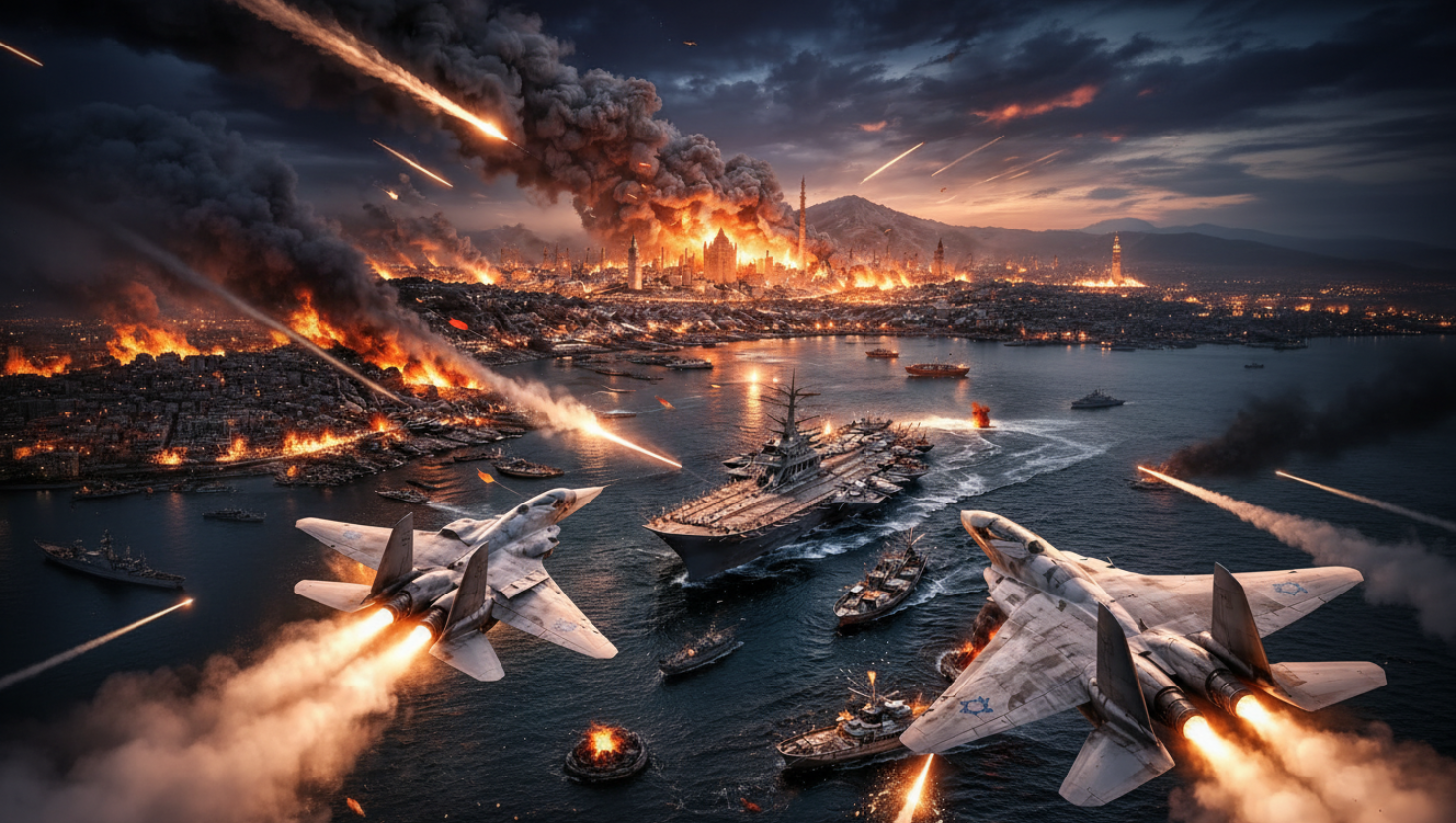
The Israel–United States–Iran War (2026) erupted after joint U.S.–Israeli strikes