
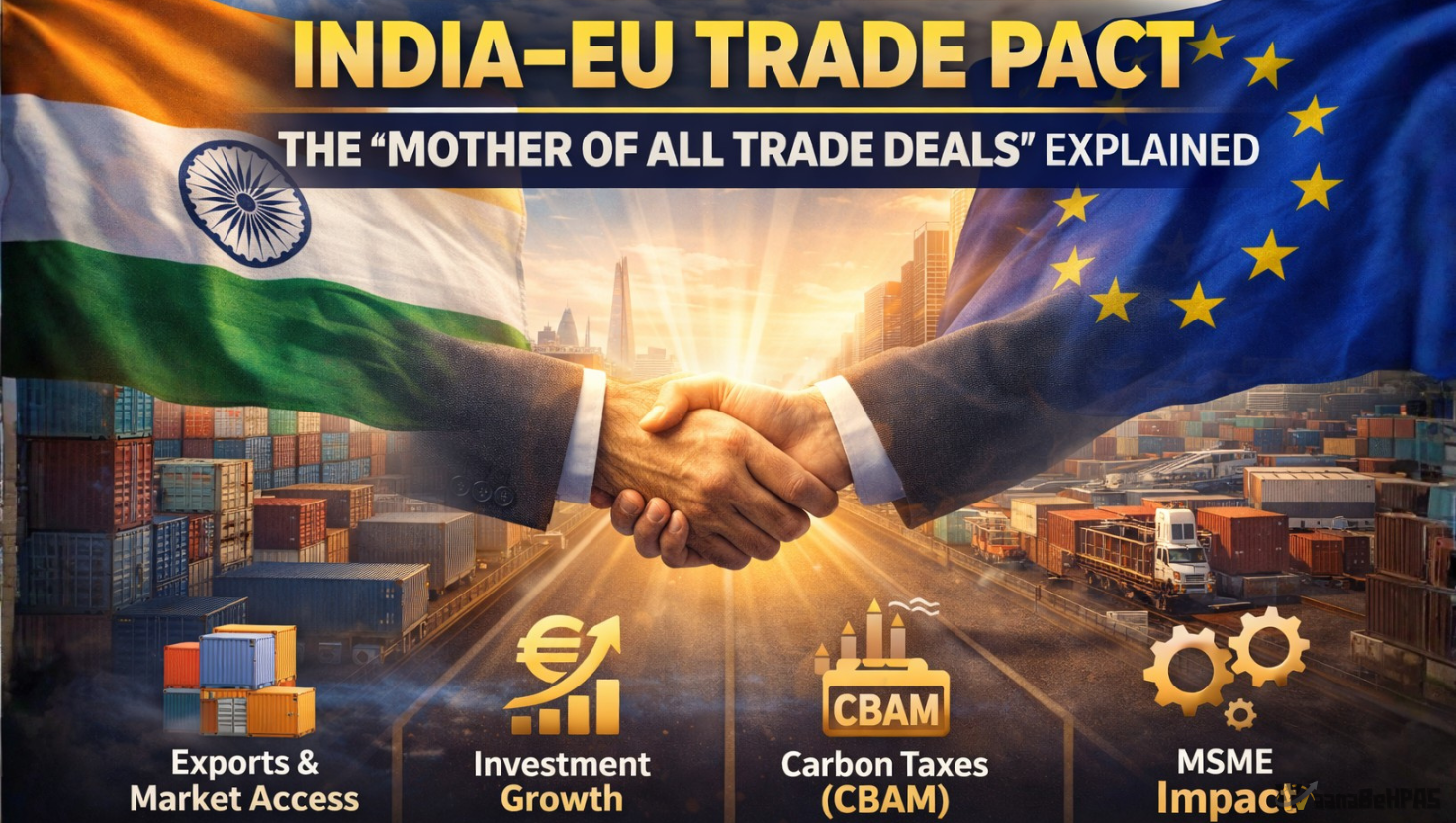
India–EU FTA 2026: Trade Diplomacy and Economic Opportunities
The India–EU trade pact, called the “mother of all trade deals,” aims to boost exports, investment and supply chains while addressing CBAM, services access and MSME competitiveness.
The India–EU trade pact, called the “mother of all trade deals,” aims to boost exports, investment and supply chains while addressing CBAM, services access and MSME competitiveness.
State PSCs need reforms in recruitment, syllabus, and transparency to match UPSC standards and regain aspirants’ trust.

India’s Forex Reserves hit a record high, driven by rising gold holdings and RBI’s prudent management, strengthening currency stability and economic resilience.
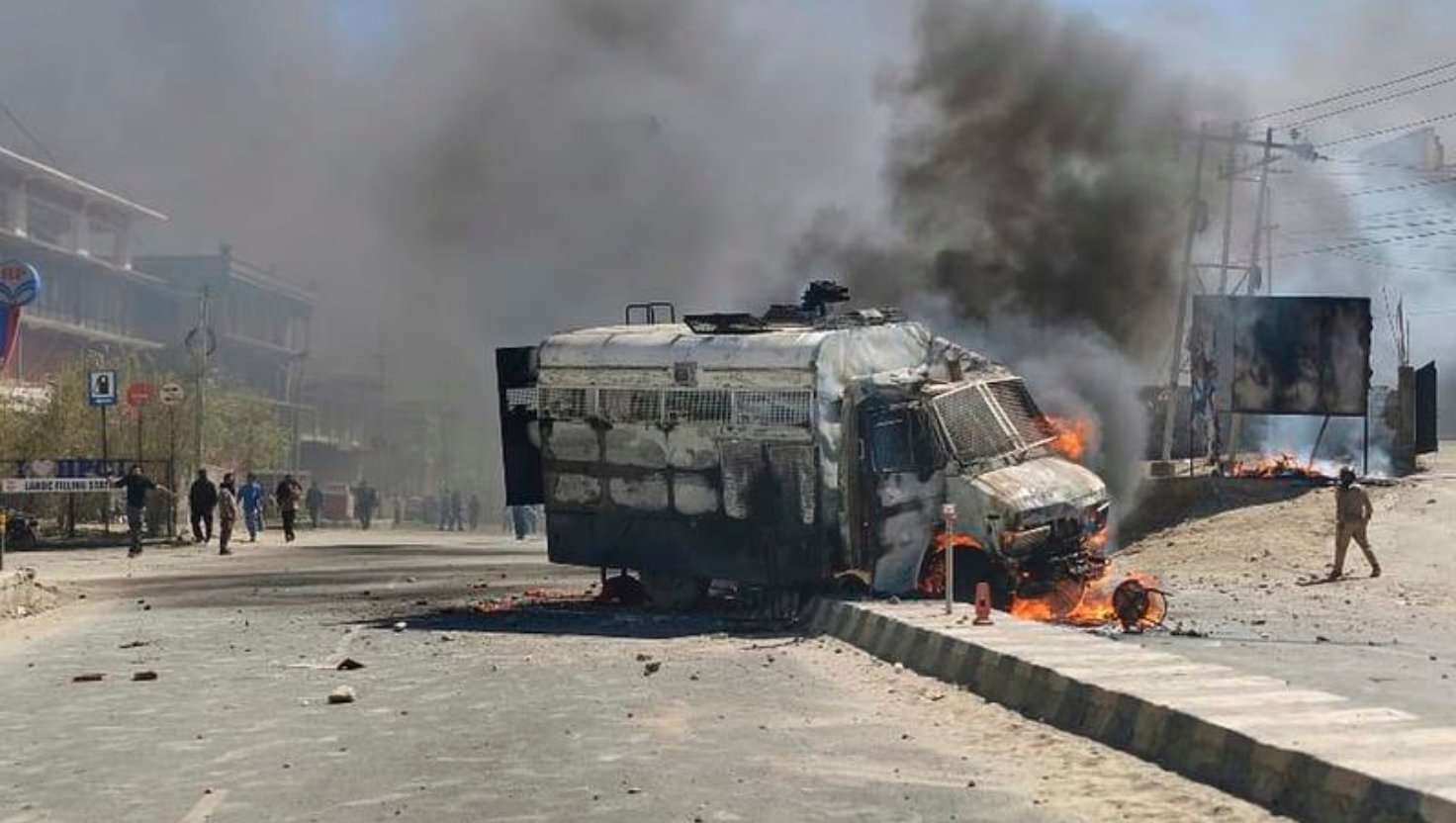
Ladakh Protests over statehood and Sixth Schedule demand highlight tensions between democratic aspirations and national security.

The Supreme Court reaffirmed housing as a right under Article 21, urging reforms to protect homebuyers and ensure affordable, dignified housing.
Uniform creamy layer norms for OBCs aim to remove anomalies, ensure fairness, and strengthen social justice in reservations.

In Union Territory Assemblies, nominated MLAs are appointed by the Centre or LG, unlike States where Governors act on ministerial advice. J&K allows 5 such nominees.

Indian Ports Bill, 2025 Syllabus: Governance (UPSC Prelims)Source: FPJ Context: The Rajya Sabha has passed the Indian Ports Bill, 2025, replacing the colonial-era Indian Ports Act, 1908. What It Is Objectives Key Provisions Institutional Reforms Operational Reforms Environmental & Safety Measures Importance

India–U.S. Tariff tensions escalate as the U.S. imposes 25% duties on Indian goods, linking trade to foreign policy and Russia-related concerns.
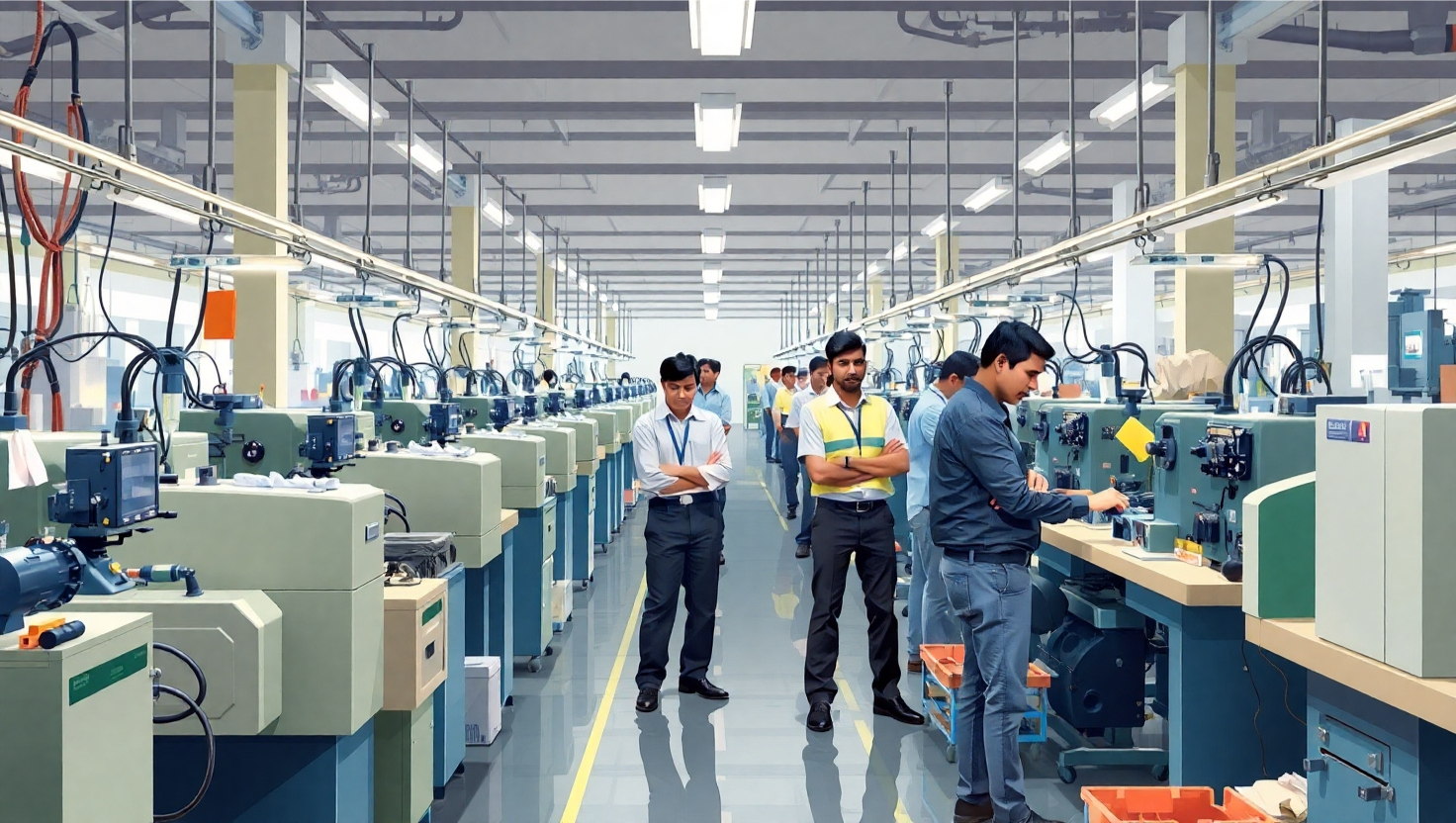
Rising contractualisation in India’s formal manufacturing sector is reducing productivity, widening wage gaps, and weakening long-term workforce quality.

The geographical setting of ancient India shaped its political and
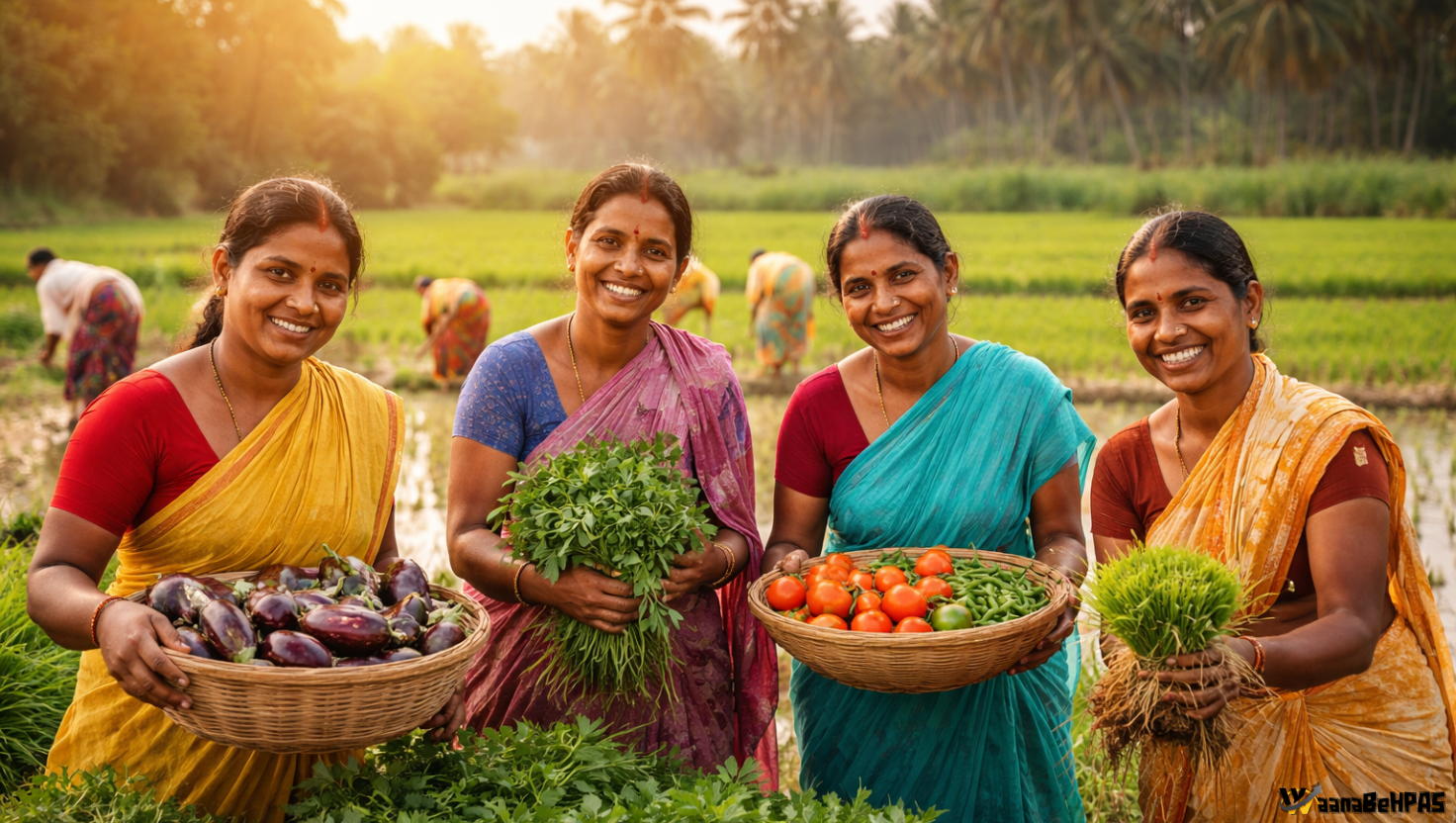
The Global Conference on Women in Agri-Food Systems (GCWAS-2026) highlights
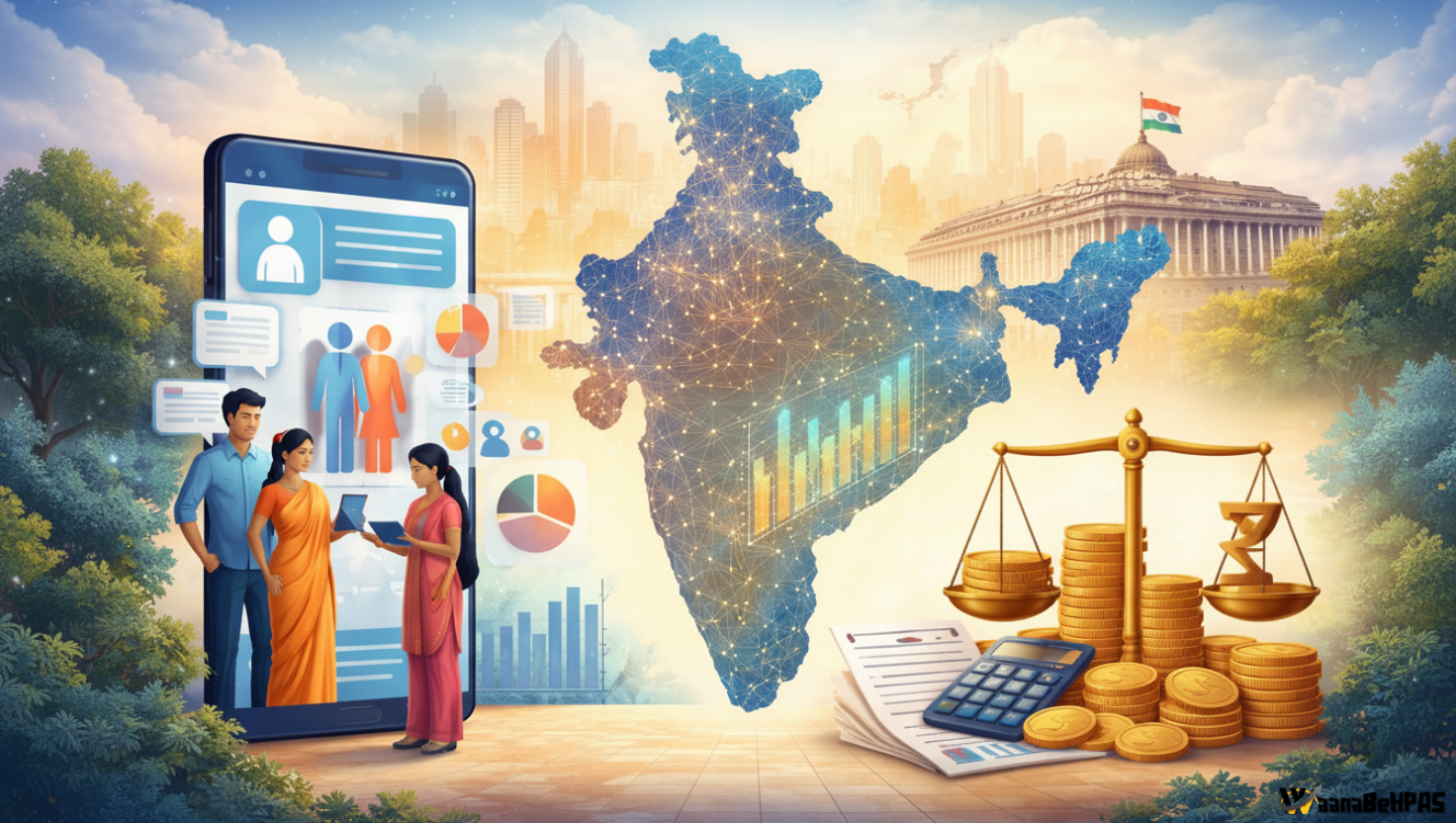
India is entering a new era of data-driven governance with

Rising tensions in West Asia threaten vital maritime trade routes,
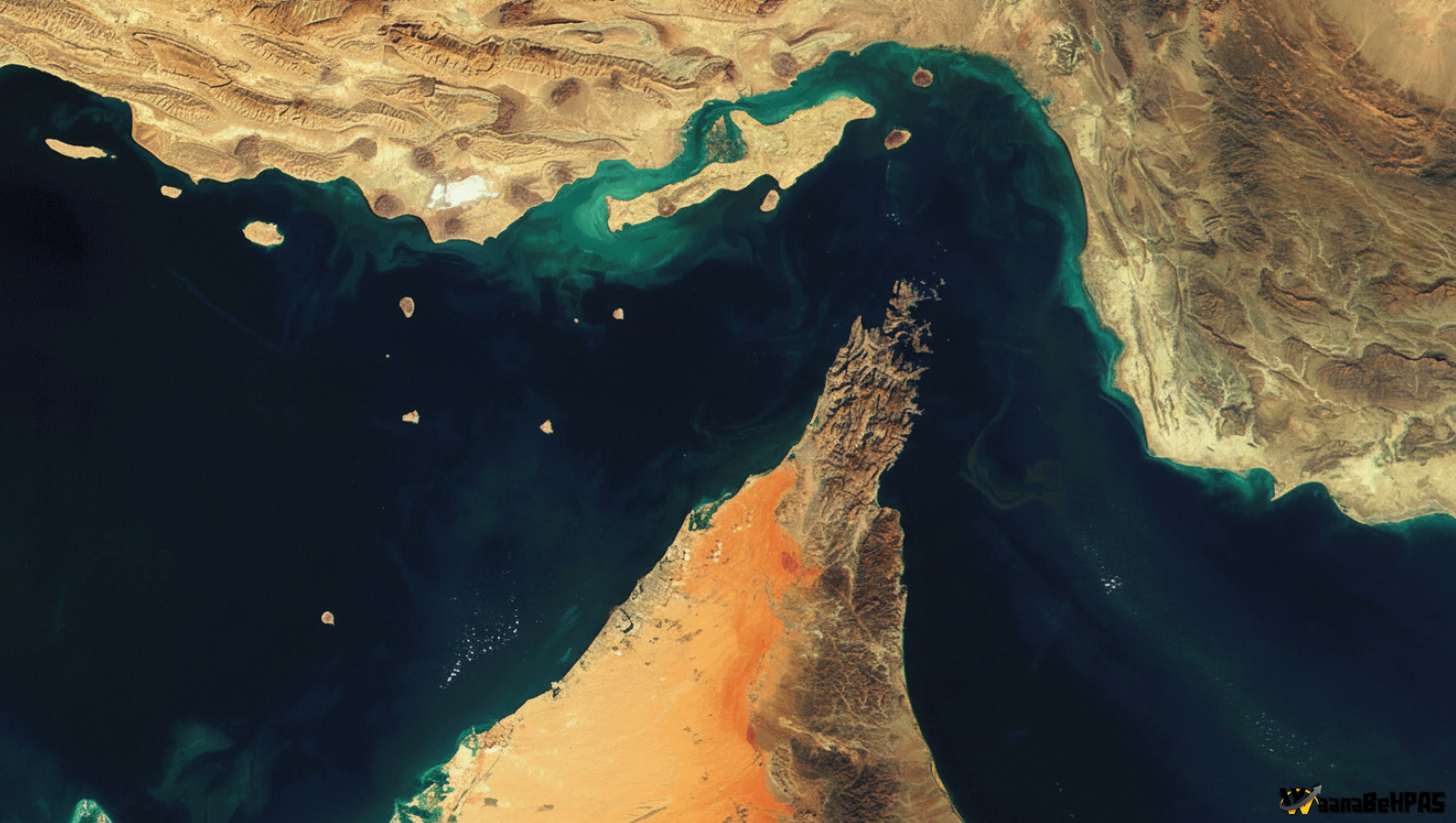
The Strait of Hormuz, the world’s most critical energy chokepoint,

The Israel–United States–Iran War (2026) erupted after joint U.S.–Israeli strikes