

Strengthening Rural India for Inclusive Growth
India’s rural sector faces rising costs, low incomes, and uneven development. Strengthening markets, skills, and infrastructure is key to rebuilding rural India.
India’s rural sector faces rising costs, low incomes, and uneven development. Strengthening markets, skills, and infrastructure is key to rebuilding rural India.

Tropical rainforests are turning from carbon sinks to emitters, warning of global climate risks and urgent need for forest resilience.

The Great Nicobar Project aims to develop a port, airport, and township on India’s southernmost island, balancing strategic goals with ecological and tribal concerns.

The cough syrup deaths in India expose weak drug regulation and highlight the urgent need for stricter safety and accountability measures.

RTI ensures transparency and accountability in governance; reviving it requires filling vacancies, protecting activists, and restoring commission autonomy.

The Supreme Court favours Criminal Defamation in India reform, balancing free speech with civil remedies to protect reputation.

Revitalizing MSMEs with finance, digitalization, compliance, and market access boosts inclusive growth, jobs, and exports in India.
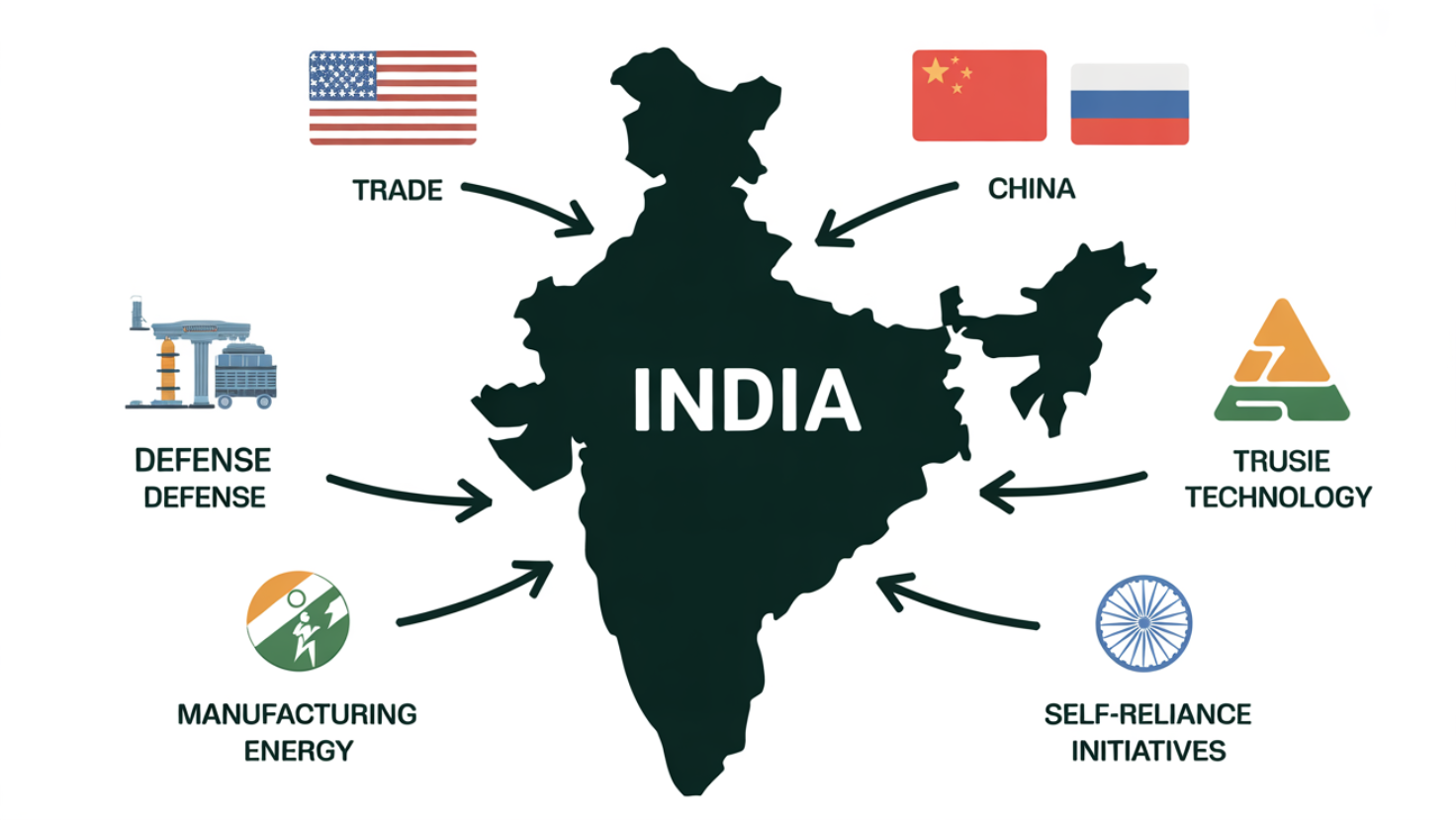
India relies on the US, China, and Russia for trade, defense, and tech; self-reliance initiatives aim to reduce this dependence.

The Supreme Court reaffirmed housing as a right under Article 21, urging reforms to protect homebuyers and ensure affordable, dignified housing.

The geographical setting of ancient India shaped its political and
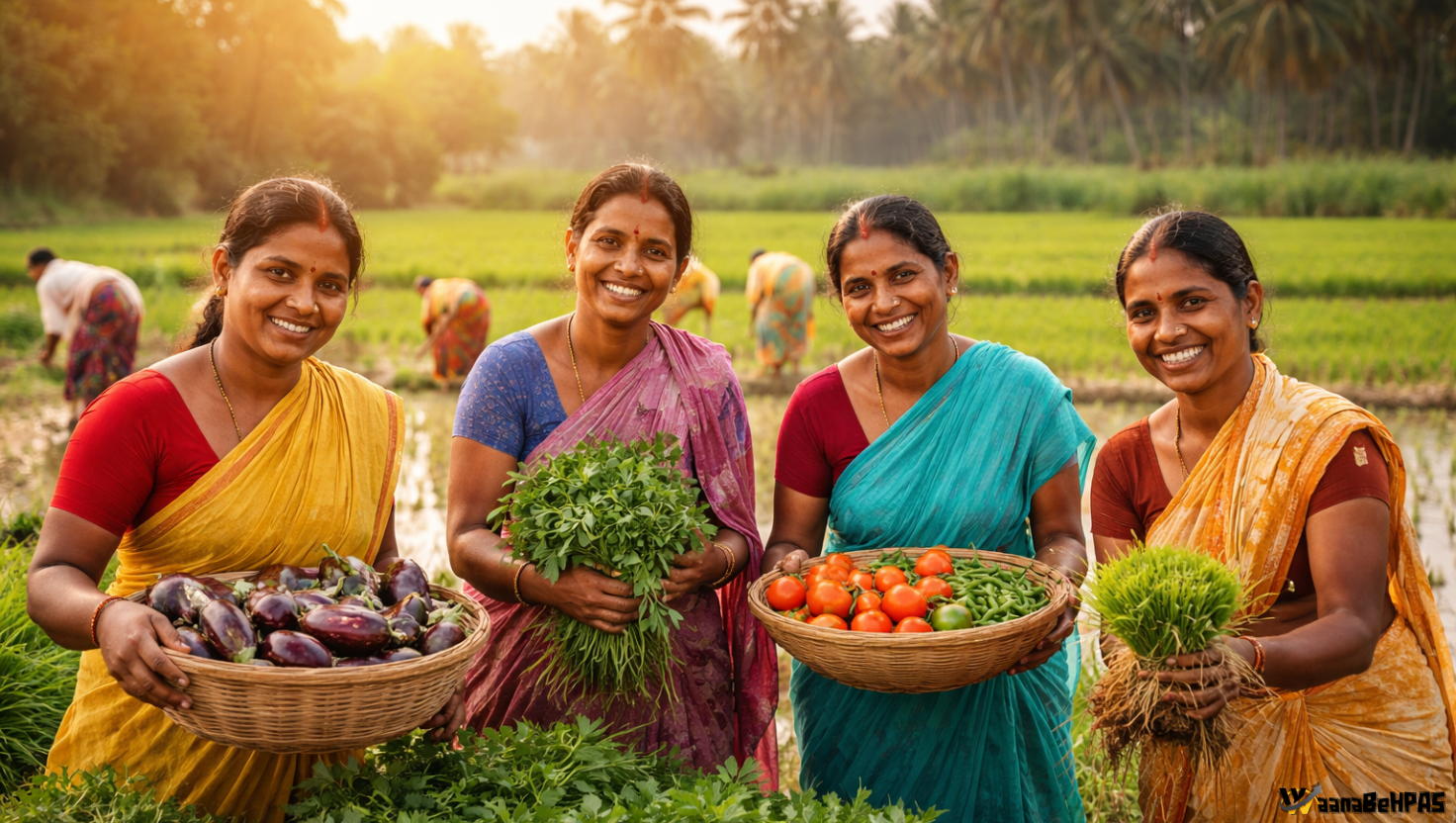
The Global Conference on Women in Agri-Food Systems (GCWAS-2026) highlights
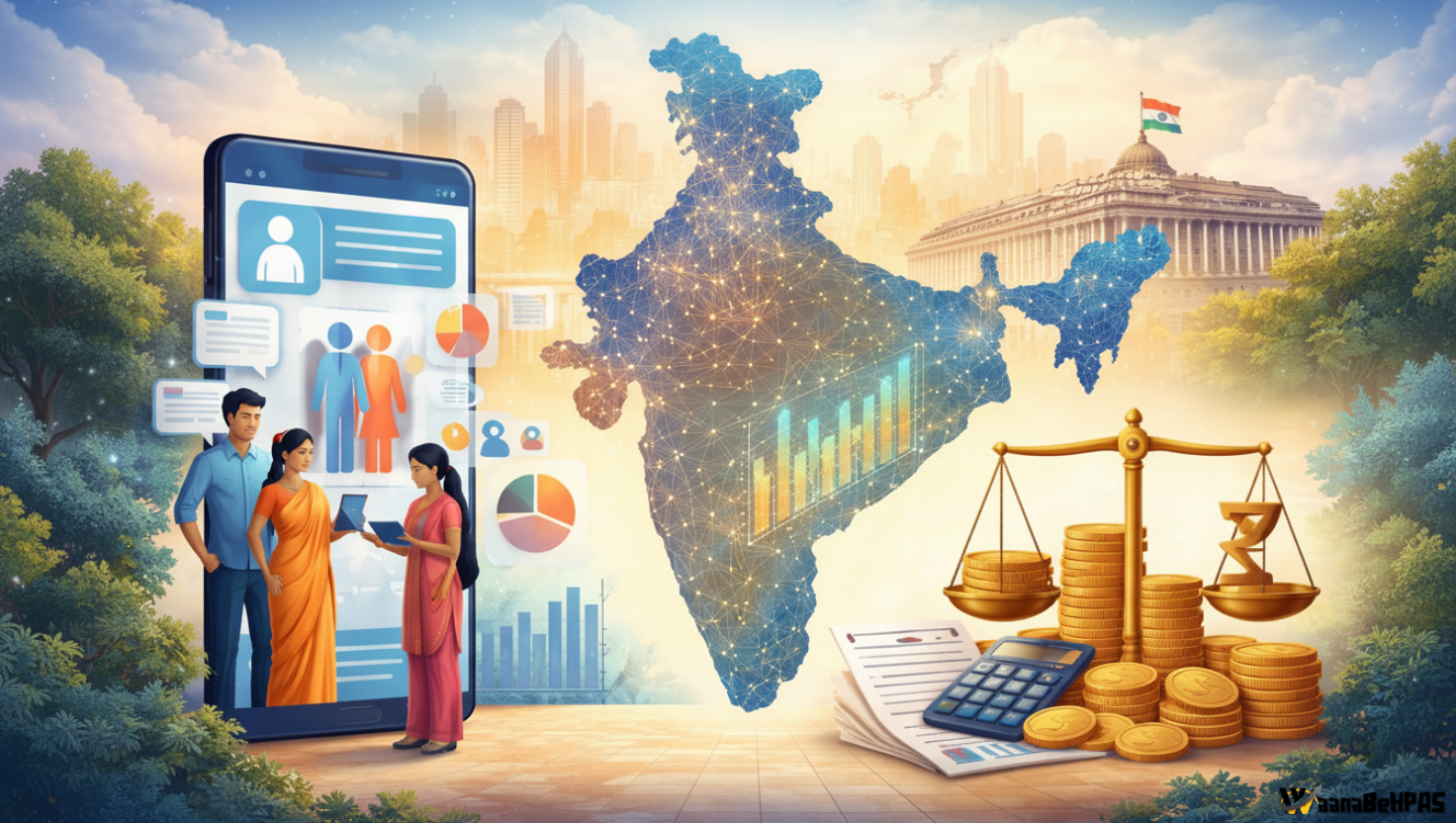
India is entering a new era of data-driven governance with

Rising tensions in West Asia threaten vital maritime trade routes,

The Strait of Hormuz, the world’s most critical energy chokepoint,

The Israel–United States–Iran War (2026) erupted after joint U.S.–Israeli strikes