UNESCO Creative Cities Network (UCCN)
Syllabus: International organizations (UPSC Prelims)
Source: The Hindu
Context:
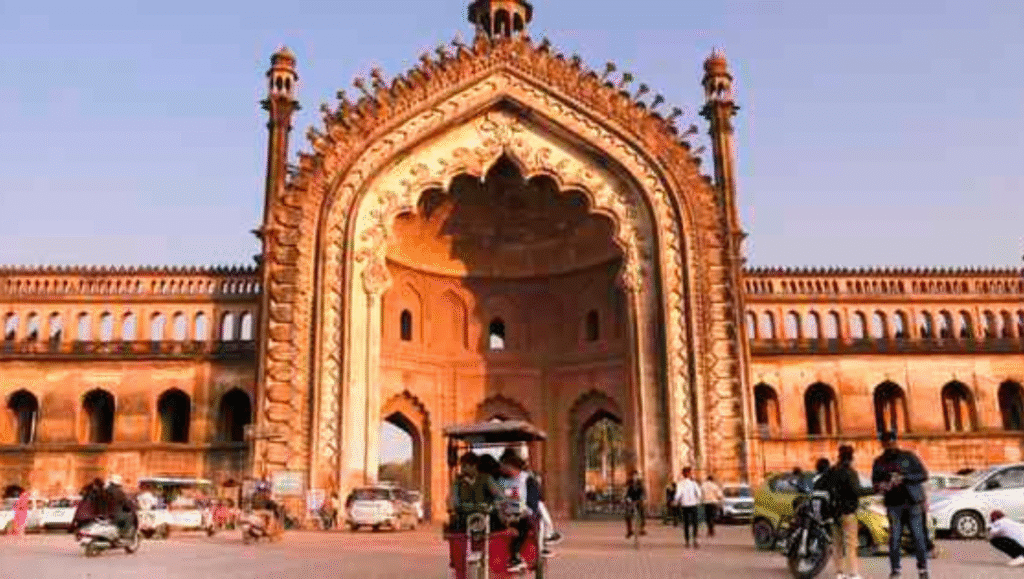
At the 43rd UNESCO General Conference held in Uzbekistan (2025), Lucknow was recognised as a UNESCO Creative City of Gastronomy, honouring its rich Awadhi cuisine and the city’s efforts in preserving culinary traditions and promoting cultural diplomacy through food.
About UNESCO Creative Cities Network (UCCN):
What it is:
The UNESCO Creative Cities Network (UCCN) is a global initiative that connects cities using culture and creativity—such as art, cuisine, music, and design—as key tools for sustainable urban development and inclusive growth.
Established in: 2004 by UNESCO
Aim:
To strengthen cooperation among cities that view creativity as a strategic factor for sustainable development, innovation, and cultural exchange. It supports UN Sustainable Development Goal 11 — Sustainable Cities and Communities.
Key Features:
- Brings together 350+ cities across the world under seven creative fields — Gastronomy, Literature, Music, Film, Design, Crafts & Folk Arts, and Media Arts.
- Encourages knowledge sharing, cultural innovation, and sustainable tourism through creative industries.
- Promotes local talent, protects intangible cultural heritage, and fosters urban regeneration through creativity.
- Member cities collaborate on international projects and report progress to UNESCO regularly.
Indian Cities in the UCCN:
| City | Field of Recognition | Year |
|---|---|---|
| Jaipur | Crafts and Folk Arts | 2015 |
| Varanasi | Music | 2015 |
| Chennai | Music | 2017 |
| Mumbai | Film | 2019 |
| Hyderabad | Gastronomy | 2019 |
| Srinagar | Crafts and Folk Arts | 2021 |
| Kozhikode | Literature | 2023 |
| Gwalior | Music | 2023 |
| Lucknow | Gastronomy | 2025 |
Significance:
Lucknow’s inclusion highlights India’s growing global cultural footprint and recognition of its diverse creative economy. It strengthens cultural tourism, supports local artisans and chefs, and preserves India’s traditional culinary heritage.