
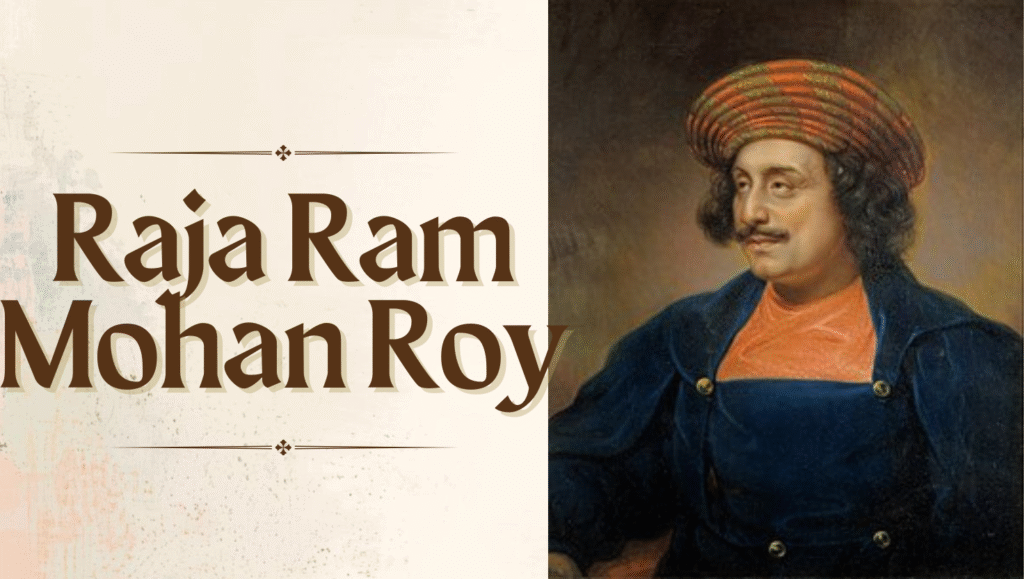
Raja Ram Mohan Roy
Raja Ram Mohan Roy, the “Father of Modern India,” led major social and religious reforms like ending Sati, promoting women’s rights and modern education.

Raja Ram Mohan Roy, the “Father of Modern India,” led major social and religious reforms like ending Sati, promoting women’s rights and modern education.
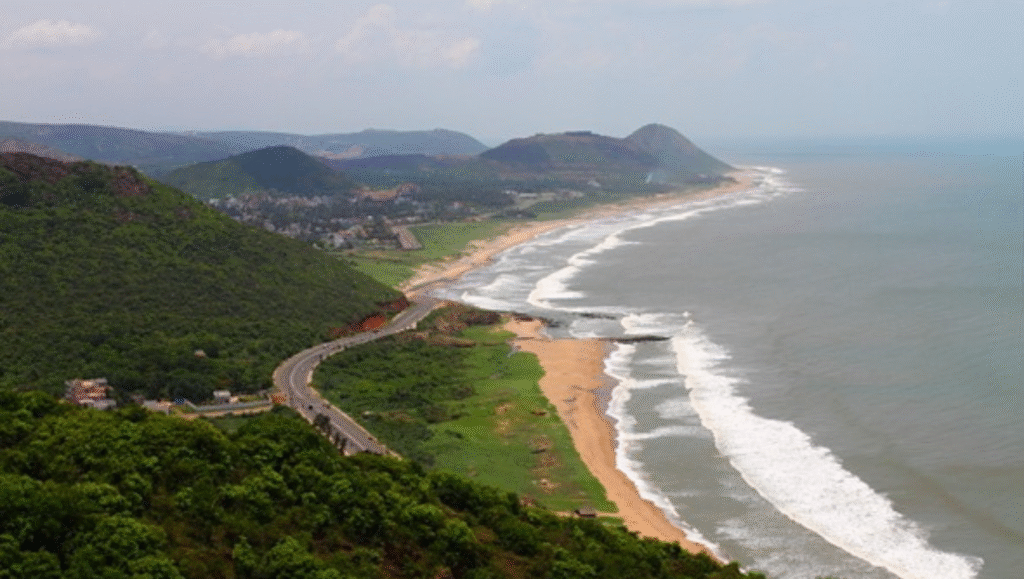
Ancient, discontinuous low ranges along east coast; lower rainfall than Western Ghats; cut by major rivers; Jindhagada is highest peak.
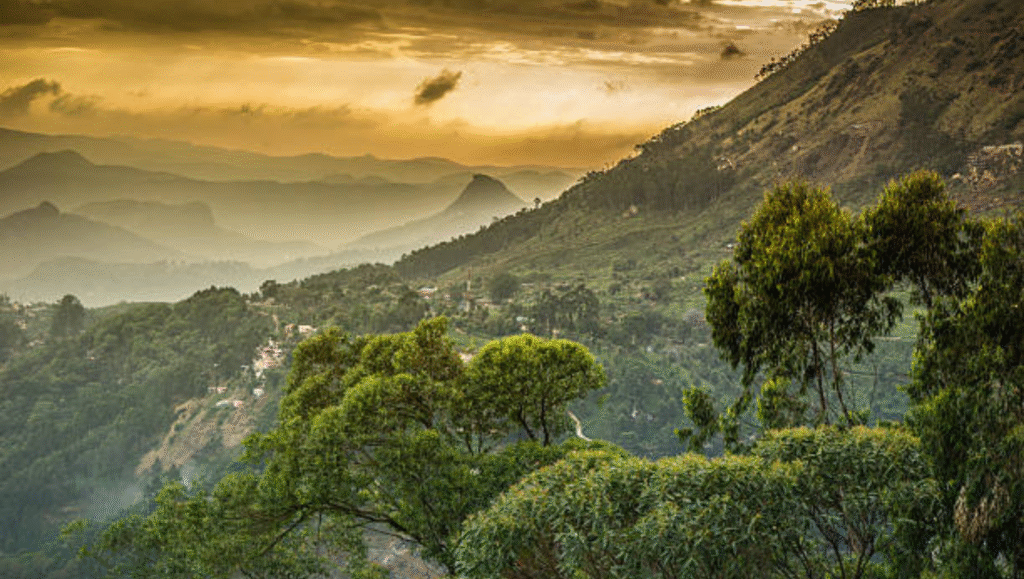
The Western Ghats are a UNESCO-listed biodiversity hotspot shaping peninsular India’s climate, rivers, and ecology.
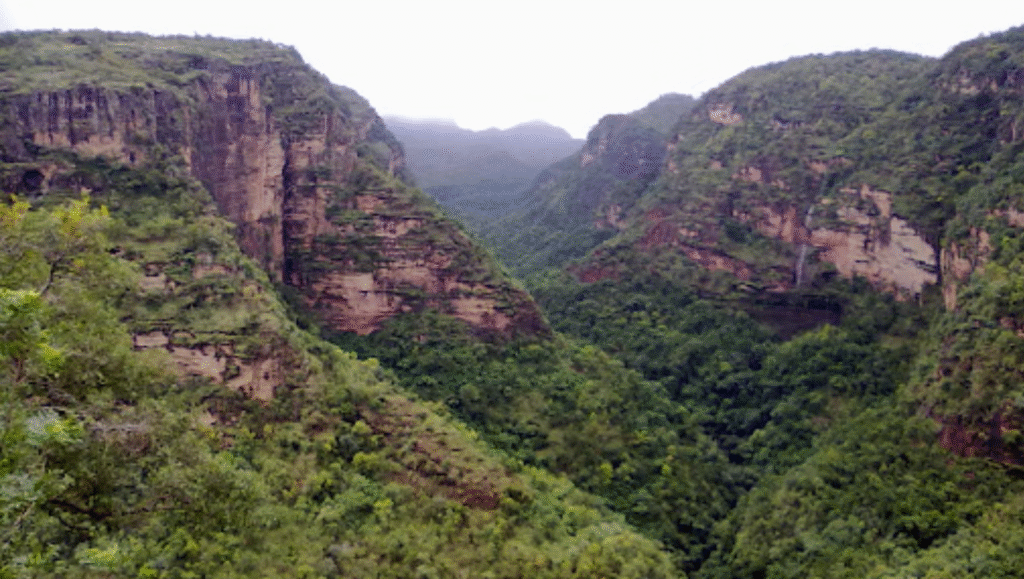
The Satpura Range is a central Indian highland, forming a major physiographic divide between the Narmada and Tapti valleys and the Deccan Plateau.
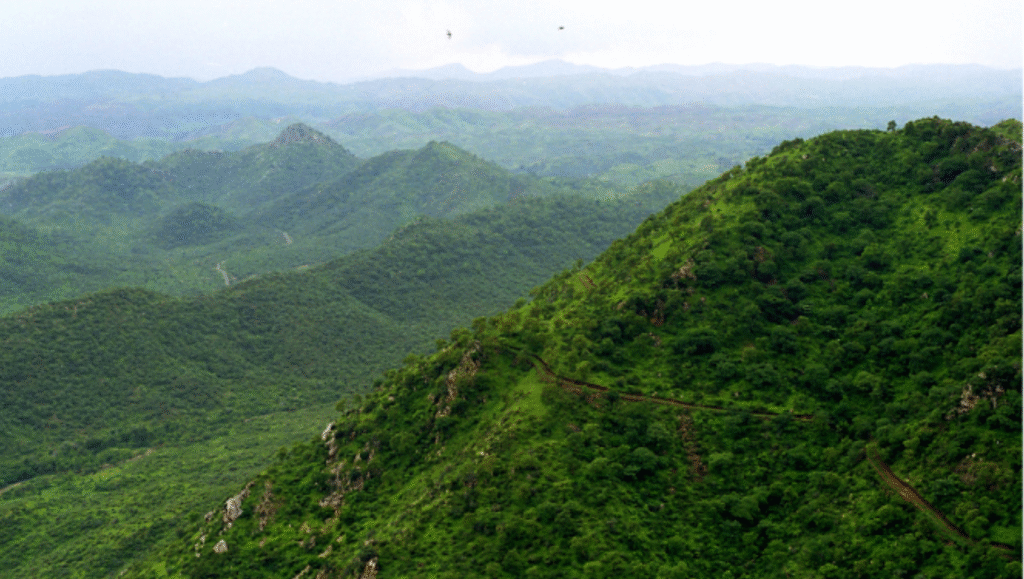
Aravalli Range is one of Earth’s oldest mountain systems, vital for ecology, water security, biodiversity, and desert-control in western India.

Phagwara’s JCT mill shaped Punjab’s textile sector through its composite operations, export-oriented output, modernization, and strong local economic impact.

Mandya is a key sugarcane district of Karnataka, anchored by MYSUGAR and supported by strong irrigation, sugar mills, and widespread jaggery units.
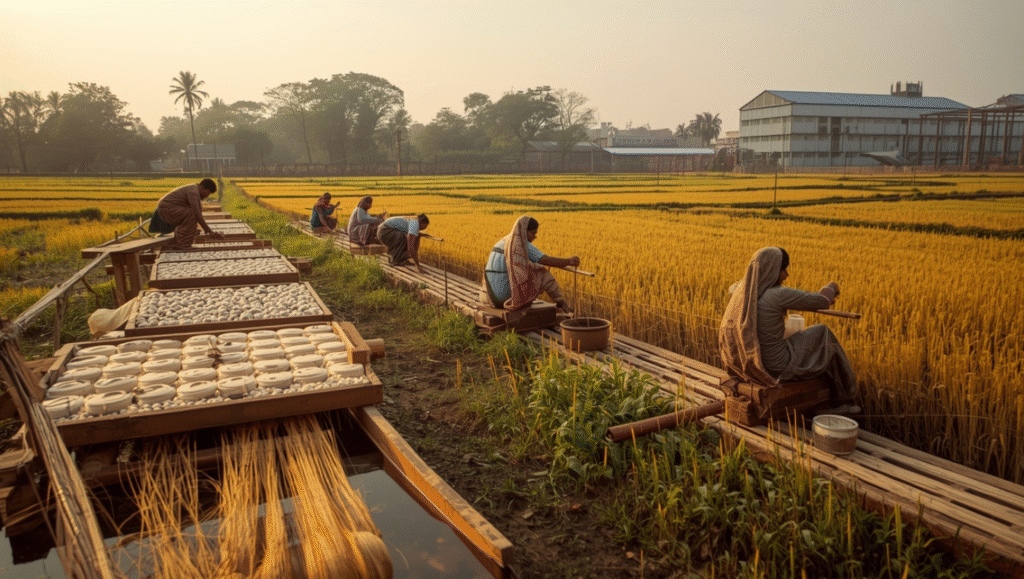
Gokak’s textile sector reflects Karnataka’s leadership in India’s silk industry, driven by strong sericulture, diverse silk varieties, and key government support.
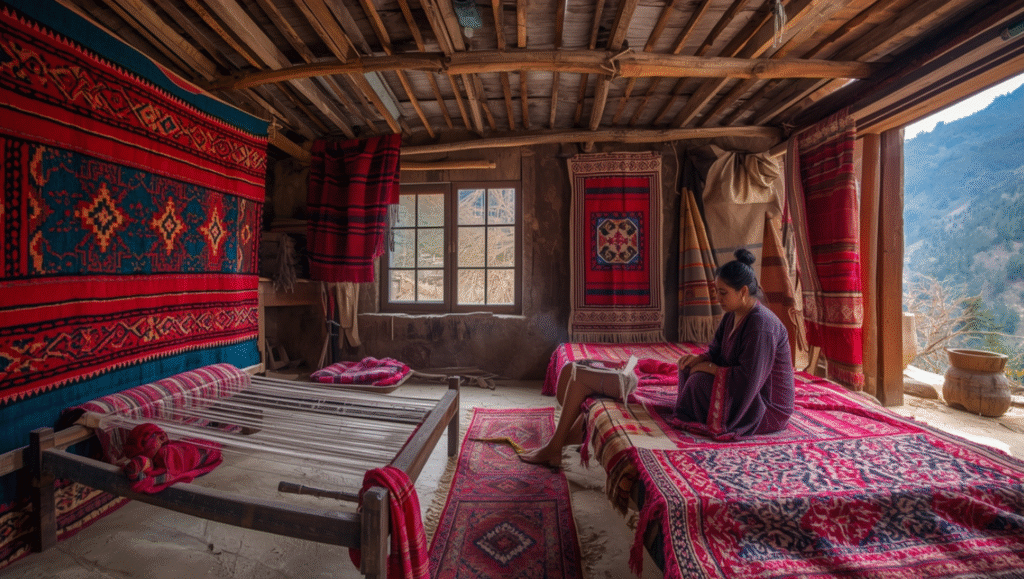
Kullu’s woollen textile industry is famed for its vibrant handloom shawls, sustaining local livelihoods and preserving a rich weaving tradition.

The Model Code of Conduct ensures free and fair elections by regulating political behaviour and preventing misuse of government power during polls.