
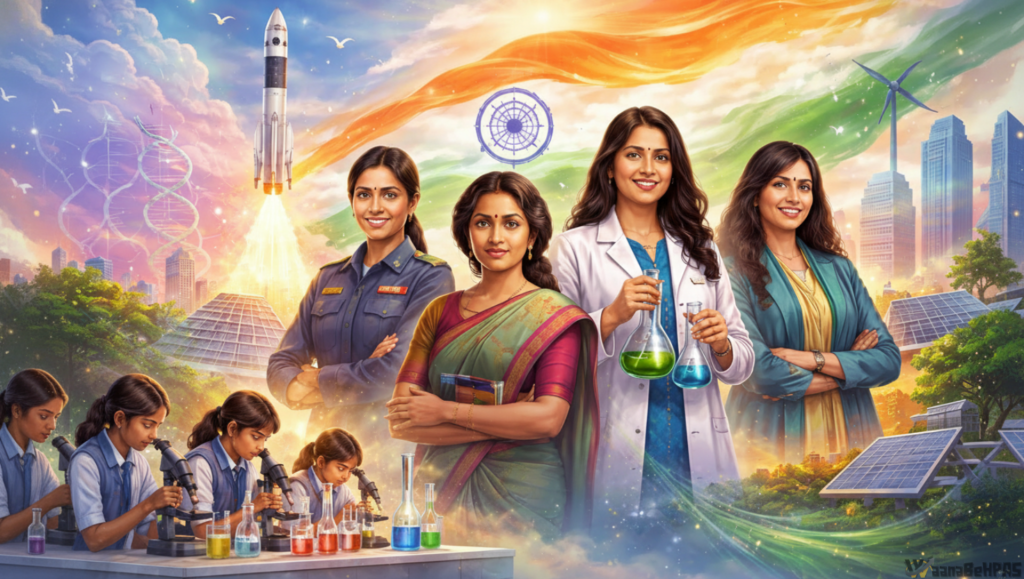
National Science Day 2026
National Science Day 2026 celebrates women as catalysts of India’s scientific progress, highlighting gender equity in STEM as essential to innovation, inclusive growth, and the vision of Viksit Bharat 2047.

National Science Day 2026 celebrates women as catalysts of India’s scientific progress, highlighting gender equity in STEM as essential to innovation, inclusive growth, and the vision of Viksit Bharat 2047.
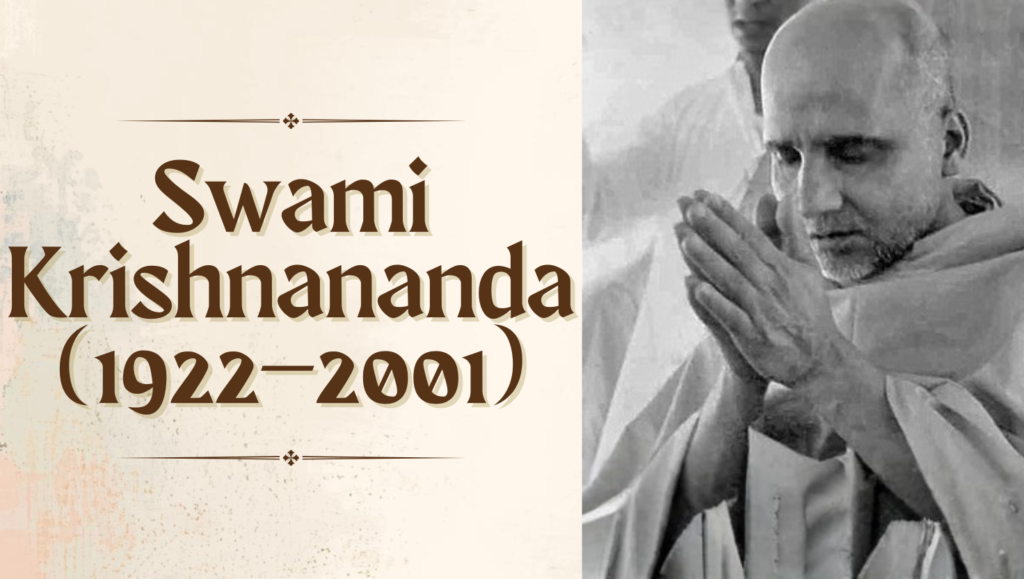
Swami Krishnananda (1922–2001), disciple of Swami Sivananda, was a leading Advaita Vedanta scholar and long-time General Secretary of the Divine Life Society. He harmonized Jnana and Karma Yoga, blending deep philosophy with dedicated institutional service.

Scotland’s journey from geological powerhouse and Enlightenment epicenter to renewable energy leader and devolution model offers key insights into federalism, green transition, soft power, and India–UK strategic cooperation.

India’s nationwide HPV vaccination drive marks a decisive shift to preventive healthcare, targeting adolescent girls to reduce cervical cancer burden, strengthen health systems, and advance the WHO 90-70-90 elimination goals through evidence-based, scalable policy action.

PRAHAAR marks India’s shift to an intelligence-led, whole-of-government counter-terror doctrine, integrating prevention, calibrated response, legal safeguards, and societal resilience to tackle hybrid threats across land, sea, air, and digital domains.
PRAHAAR: India’s Integrated Counter-Terror Doctrine for the Hybrid Security Era Read More »

India’s Counter-Terrorism doctrine has evolved since the 2001 Parliament attack into a Zero Tolerance framework combining proactive retaliation, strong legal measures like UAPA, federalized agencies, and global norm-setting to combat terrorism.
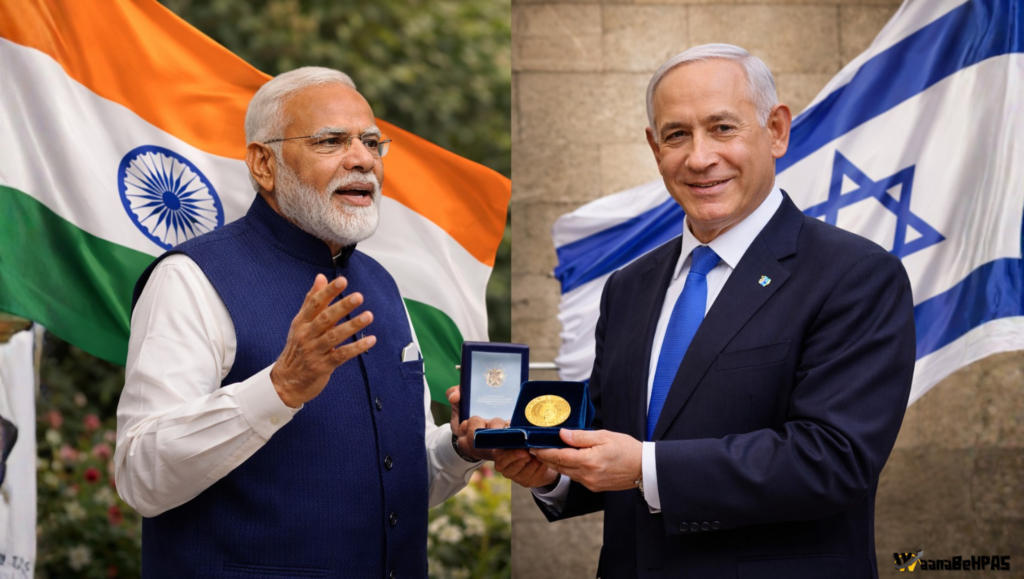
PM Modi’s 2026 Knesset address marks a strategic shift in India–Israel Relations, deepening defence integration, advancing technology partnerships, and reinforcing India’s balanced West Asia policy through strategic de-hyphenation and geo-economic cooperation.
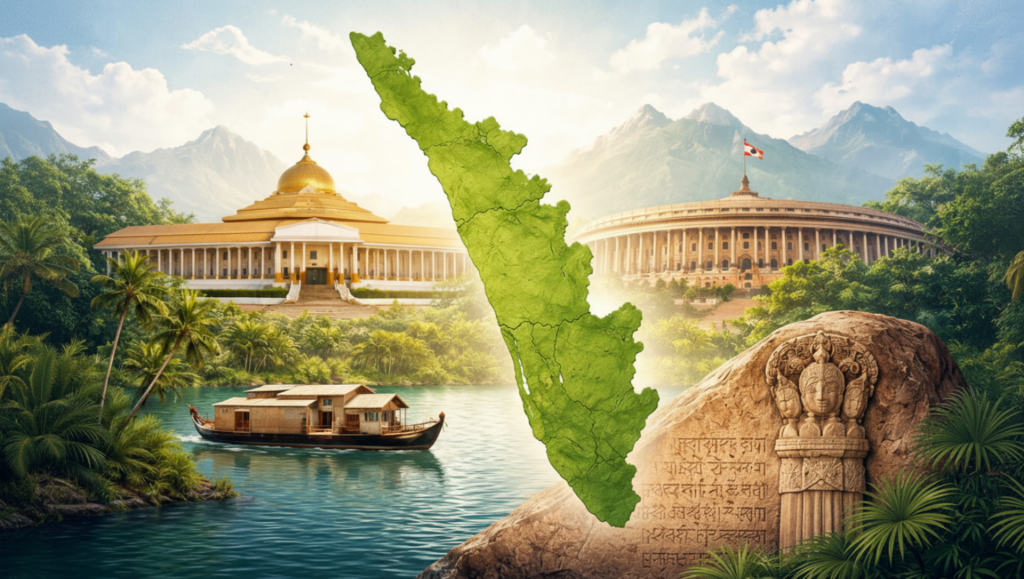
The Union Cabinet has approved renaming Kerala as “Keralam,” initiating the constitutional process under Article 3. Rooted in linguistic identity and history, the move carries cultural significance and administrative impact in India’s federal framework.
Kerala to Become “Keralam”: Union Cabinet Clears Historic Name Change Under Article 3 Read More »
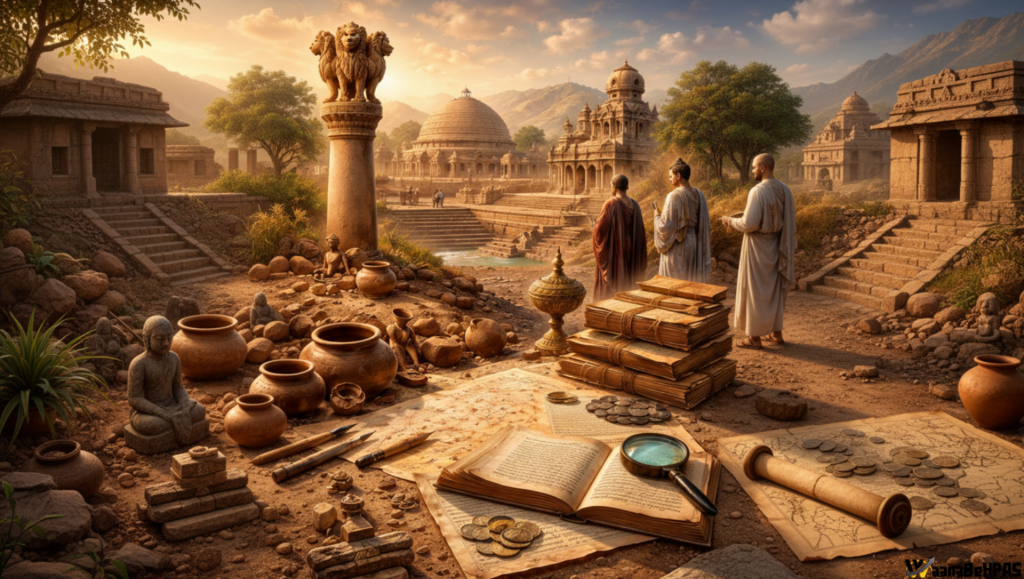
Ancient Indian history is reconstructed through archaeology, inscriptions, coins, religious texts, and foreign accounts—blending material evidence with literary traditions to build a chronological and cultural understanding of early Indian civilization.
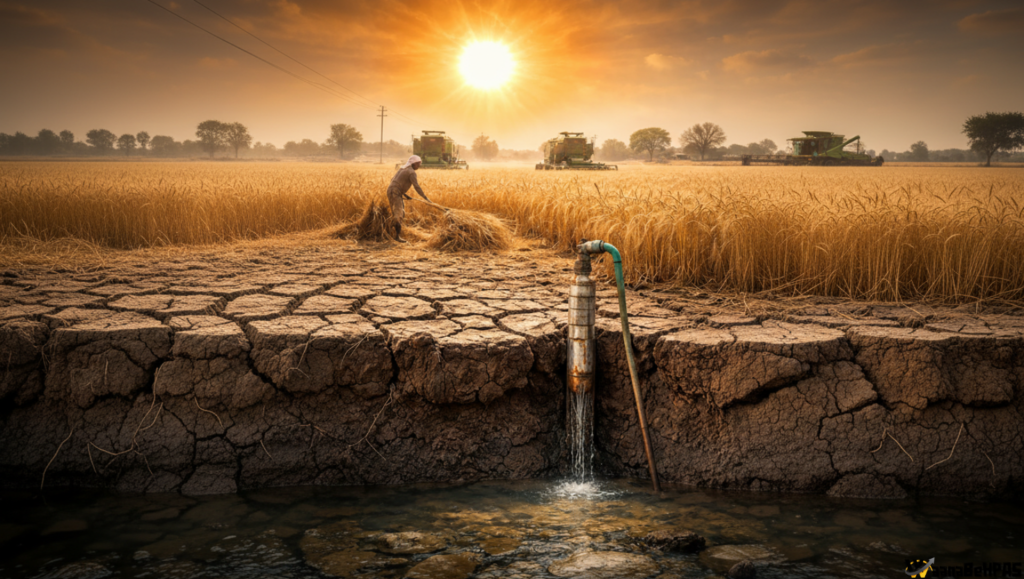
Rising Thermal Stress and Aquifer Depletion are reshaping North India’s food bowl, threatening wheat yields, groundwater security, and national food stability as heatwaves intensify and aquifers rapidly decline.