Thermal Stress and Aquifer Depletion in North India: A Structural Risk to Food Security
Introduction: From Surplus Hub to Systemic Risk Zone
India’s food security architecture rests heavily on the northwestern “Central Pool” states — particularly Punjab and Haryana — which together contribute a disproportionate share of wheat and rice to national procurement. Historically supplying over 55–65% of wheat and 27–40% of rice for central stocks, this region is not merely an agricultural belt but a strategic buffer against national food inflation and hunger.
However, two converging structural threats now challenge this foundation:
- Terminal Heat Stress during Rabi wheat
- Rapid Groundwater (Aquifer) Depletion
Together, these create a “Risk Multiplier” capable of transforming India’s most productive grain basin into a zone of agrarian instability.
I. The Thermal Crisis: Heatwave Stress on Rabi Wheat
🌡️ Rising Heatwaves as the New Baseline
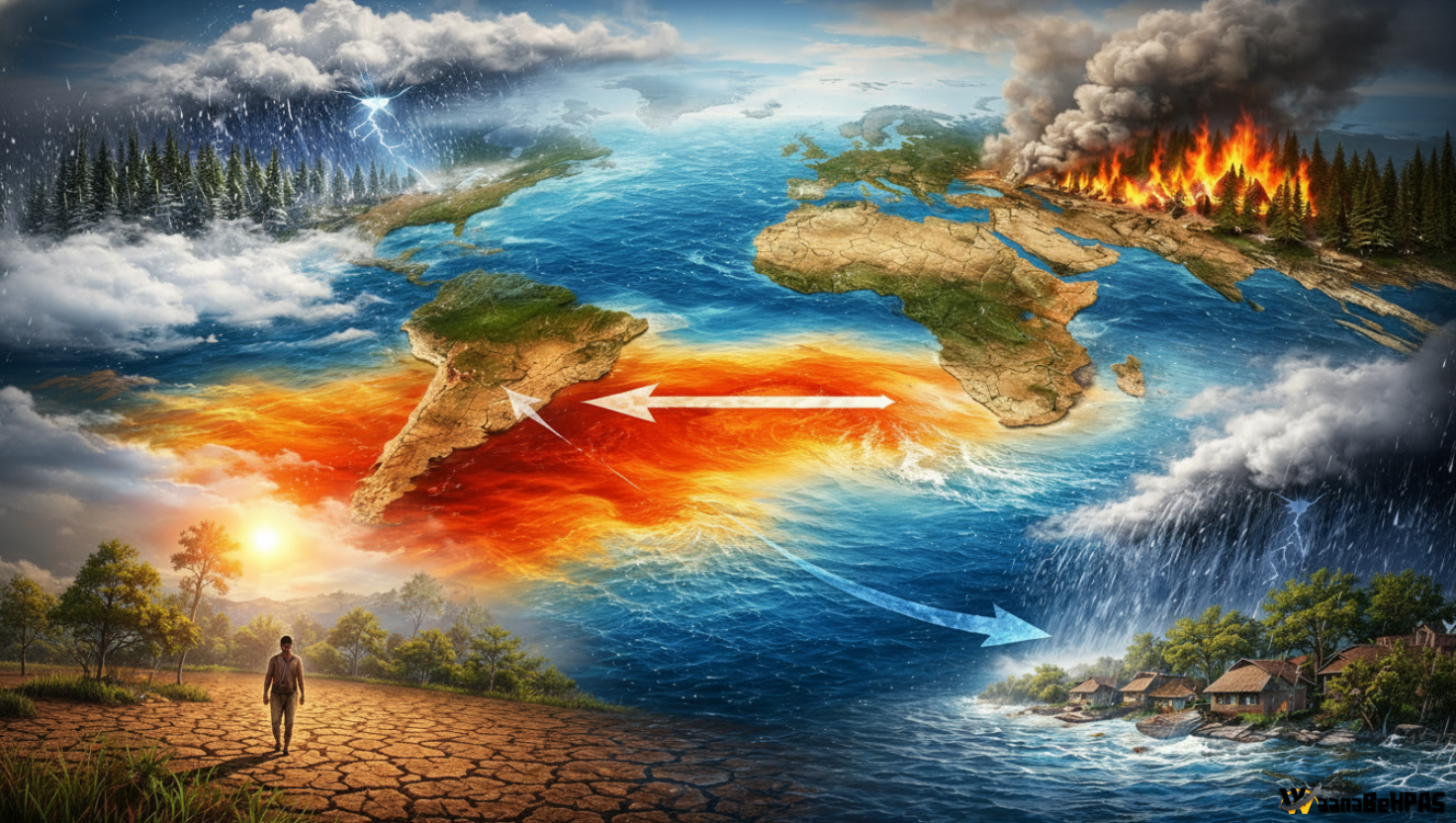
The February 2026 early heat conditions in Punjab and Haryana are not isolated events. They reflect a broader climatic shift where Extreme Weather Events (EWEs) are becoming frequent and intense.
Meteorological Drivers of Heatwaves:
- Anticyclonic atmospheric blocking
- Rainfall deficit (-60% to -99%)
- Clear skies and high solar radiation
- Dry soils amplifying ground heating
The 2022 India–Pakistan Heatwave serves as a critical warning. Temperatures rose 8–10°C above normal, making March 2022 the hottest since 1901. Yield losses ranged between 10–25%, with some districts witnessing up to 30% decline.
This pattern is now emerging earlier in the crop cycle.
🌾 Why Wheat Is Vulnerable: The Grain-Filling Stage
Wheat, a Rabi crop, thrives in cool winter temperatures (10–20°C). The most temperature-sensitive phase is the grain-filling (milking) stage.
When exposed to heat above ~30°C:
- Grain filling duration shortens
- Starch accumulation declines
- Kernels become shriveled
- Protein content reduces
- Yield and quality deteriorate
This phenomenon is called “Forced Maturity” — the plant rushes to complete its life cycle under stress.
Implications:
- Lower procurement by FCI
- Pressure on MSP operations
- Potential rise in food inflation
- Reduced farmer incomes
Thus, heatwaves are no longer seasonal anomalies — they are structural agricultural risks.
II. Hydrological Exhaustion: The Aquifer Collapse
💧 The Water-Energy-Food Nexus Trap
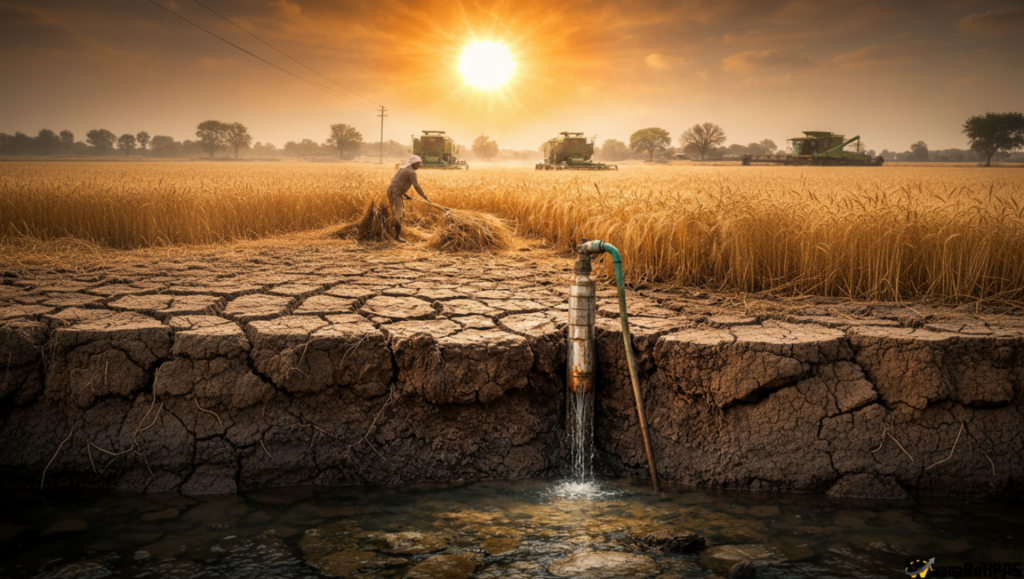
Punjab’s Green Revolution model relies heavily on groundwater irrigation supported by free electricity. This has created a distorted incentive structure encouraging excessive pumping.
Satellite data from NASA’s GRACE mission showed a loss of ~109 km³ groundwater (2002–2008) in northwest India.
Average Annual Groundwater Decline:
| Zone | Annual Fall Rate |
|---|---|
| State Average | 41.6 cm/year |
| Central Zone (Rice-Wheat Belt) | 50 cm/year |
| Southwest Zone | 36 cm/year |
| Northeast Zone | 33 cm/year |
Most aquifers here are unconfined alluvial systems, making them highly vulnerable to rapid depletion.
💸 The Looming CAPEX Crisis
As water tables fall beyond 10 meters:
- Traditional centrifugal pumps fail
- Farmers must shift to submersible pumps
- Estimated replacement cost (Punjab alone): ₹97.56 billion
- Increased electricity demand deepens fiscal burden
Since 70–80% of holdings are small or marginal farmers, such capital investment may be unaffordable, potentially triggering rural distress and exit from agriculture.
III. The 2050–2080 Risk Projections: Yield & Nutrition Collapse
Integrated simulations by ICAR indicate:
| Crop | 2050 Yield Change | 2080 Yield Change | Nutritional Impact |
|---|---|---|---|
| Wheat | -19.3% | -40% | Reduced protein, starch |
| Irrigated Rice | -3.5% | -5% | Increased chalkiness |
| Rainfed Rice | -20% | -47% | Reduced Fe, Zn, protein |
| Maize | -10–19% | — | Micronutrient decline |
⚠️ The Emerging “Qualitative Crisis”
Elevated CO₂ and heat stress do not merely reduce volume — they reduce nutritional integrity:
- Lower iron and zinc
- Altered amylose content
- Reduced protein concentration
This creates a paradox:
Buffer stocks may appear adequate in quantity, but nutritional security declines.
IV. Insurance and Financial Buffer: PMFBY Evaluation
Pradhan Mantri Fasal Bima Yojana (PMFBY)
Premium Caps:
- 2% (Kharif)
- 1.5% (Rabi)
- 5% (Commercial crops)
Claim Record (8 years):
- ₹31,139 crore premiums
- ₹1,55,977 crore claims paid
While financially viable for the government, operational challenges persist:
- Claim delays (up to 2+ years reported in some states)
- Liquidity crisis for next sowing cycle
- Administrative bottlenecks
In a high-frequency climate stress cycle, delayed compensation defeats the scheme’s purpose.
V. Adaptation Strategy: Closing the Adaptation Gap
1️⃣ Short-Term (Biochemical Solutions)
- 2% Potassium Nitrate foliar spray
- Salicylic acid treatment
- Timely irrigation scheduling
2️⃣ Medium-Term (Resource Conservation)
- Happy Seeder & Super Seeder technology
- Direct sowing reduces canopy temperature by 1–4°C
- Crop residue retention improves soil moisture
3️⃣ Long-Term (Genetic & Policy Solutions)
Heat-Tolerant Varieties:
- NWPZ: DBW 327, DBW 332, PBW 803
- NEPZ: HD 3249, DBW 222
Policy Enforcement:
- Punjab Preservation of Subsoil Water Act (Delayed paddy sowing to June 10)
- Crop diversification (Maize, pulses, oilseeds)
- Participatory groundwater management
VI. Strategic Policy Outlook
Though current FCI stocks (2025) remain above buffer norms, they are a temporary shield, not structural resilience.
Professional Action Plan
1. Digital Agriculture Mission
- AI-based heat monitoring
- Site-specific advisories
- Satellite-integrated hydrology mapping
2. CAPEX Incentivization
- Subsidy reorientation (from free power to sustainable tech)
- Direct support for precision irrigation & machinery
3. Regulatory Hydrology
- Strict groundwater audits
- Water budgeting at village level
- Shift from “Irrational Pumping” to “Precision Hydrology”
Conclusion: A Structural Threat, Not a Seasonal Shock
The convergence of:
- Terminal heat stress,
- Aquifer depletion,
- Nutritional decline,
- Rising adaptation costs
signals a transition from Green Revolution Stability to Climate-Exhaustion Vulnerability.
The question is no longer whether yields will fluctuate.
The real concern is whether India’s central food bowl can remain structurally viable by 2050.
For UPSC aspirants, this issue cuts across:
- GS Paper I: Climatology & Physical Geography
- GS Paper II: Food Security, Welfare Schemes
- GS Paper III: Agriculture, Climate Change, Disaster Management, Economy
- Essay Paper: “Climate Change and Food Security” / “Sustainable Agriculture in India”