Strait of Hormuz in Crisis: Global Energy Lifeline Faces Hybrid Warfare and Strategic Disruption (2026)
Global Energy Artery in the Age of Hybrid Warfare (2026) | UPSC Comprehensive Analysis
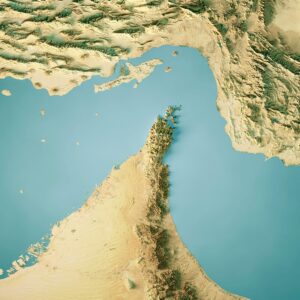
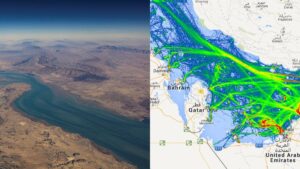
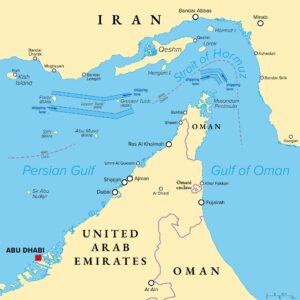
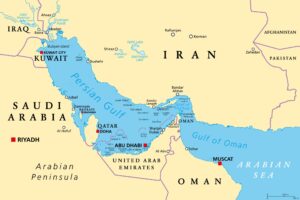
1️⃣ Introduction: Geography That Shapes Global Power
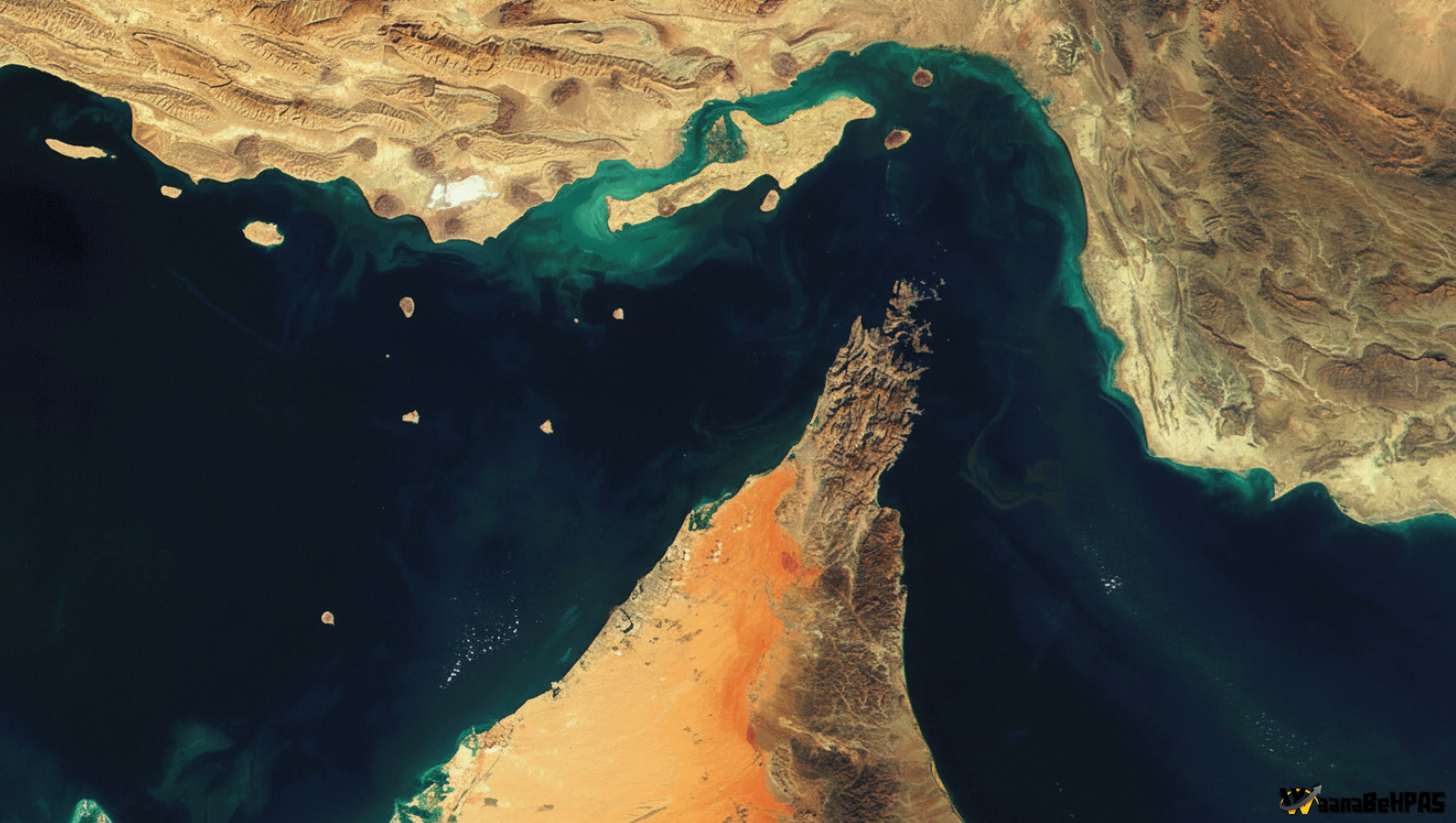
The Strait of Hormuz is the narrow maritime passage connecting the Persian Gulf to the Gulf of Oman, and onward to the Arabian Sea and Indian Ocean.
📍 Coordinates: 26°36′N 56°30′E
📏 Length: ~104 miles
📐 Narrowest Width: ~21 nautical miles (~33 km)
Bordered by:
- 🇮🇷 Iran (North)
- 🇴🇲 Oman (Musandam Peninsula, South)
It is widely regarded as:
The world’s most critical energy chokepoint.
2️⃣ Statistical Centrality: Why the Strait is Non-Substitutable
Energy Flow Data (2023–2026 Averages)
| Commodity | Share of Global Seaborne Trade | Daily Volume |
|---|---|---|
| Crude Oil | ~25% | ~20–21 million barrels/day |
| LNG | ~20% | ~10+ billion cubic feet/day |
🔎 Destination Pattern:
- ~83% of crude oil
- ~80% of LNG
are destined for Asian markets (China, India, Japan, South Korea).
📌 For India:
Over half of crude imports originate in the Gulf — making Hormuz vital to India’s energy security.
3️⃣ Legal Architecture: Transit Passage vs Sovereignty
The legal framework is governed by the
United Nations Convention on the Law of the Sea (UNCLOS).
Key Principle:
✔ Transit Passage — continuous, expeditious navigation that cannot be suspended.
Dispute:
- Iran argues warships require prior permission.
- U.S. treats it as international waterway under customary law (though it has not ratified UNCLOS).
⚖ UPSC Angle (GS II):
- Freedom of navigation
- Customary international law
- Maritime sovereignty vs global commons
4️⃣ 2026 Crisis: From Waterway to Warzone
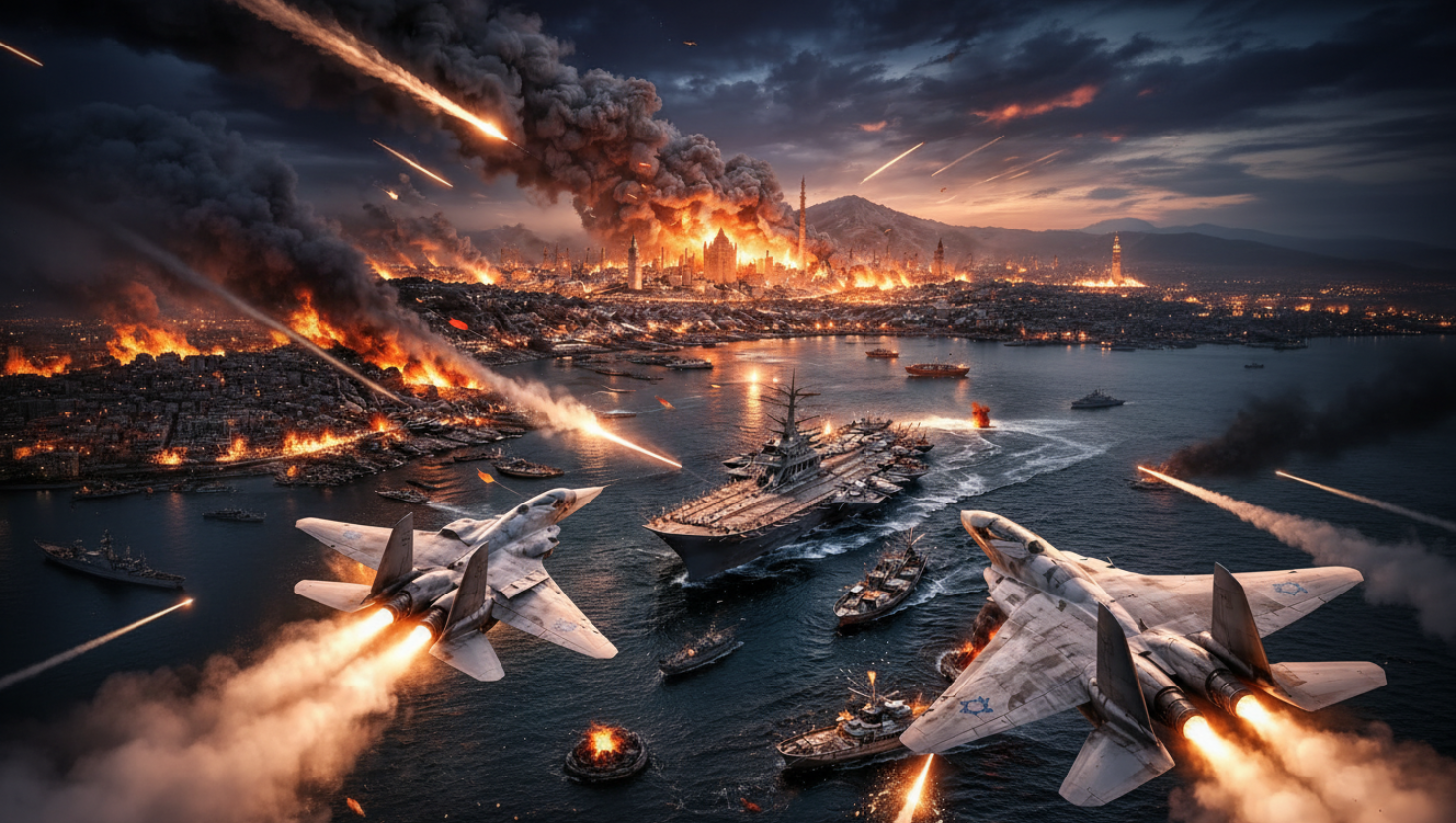
The February–March 2026 escalation transformed the Strait from commercial corridor to contested battlespace.
Operation Epic Fury & Maritime Targeting
Following U.S.–Israeli strikes on Iranian assets:
Key Targets:
- Bandar Abbas naval headquarters
- IRINS Makran (forward base ship)
- Moudge-class frigates
- Shahid Bagheri drone carrier
At least 10 major vessels were neutralized.
Impact:
- Naval attrition shifted conventional balance.
- Insurance premiums tripled.
- ~$250,000 added per VLCC transit.
📌 Lesson:
Destroying a navy ≠ securing a chokepoint.
5️⃣ The “Digital Fog of War”: Electronic Blockade
After naval degradation, Iran shifted to asymmetric electronic warfare.
Two Primary Tools:
1️⃣ GPS Jamming
High-power emitters drown satellite signals.
2️⃣ GPS Spoofing
Systems like Cobra V8 transmit fake coordinates.
The “Tanker Jam” (March 2026):
- 1,100+ vessels stalled
- Ships shown “sailing over airports”
- Navigation paralysis
The 33-km corridor became:
Too dangerous for satellite-dependent systems.
🔎 Strategic Insight:
Control of electromagnetic spectrum = control of maritime trade.
6️⃣ Global Economic Shockwaves
Oil Market Effects:
- Price volatility
- Inflation spikes
- Shipping reroutes via Cape of Good Hope
LNG Crisis:
Pipelines cannot replace LNG tankers →
Global gas market remains hostage to Hormuz.
7️⃣ China’s “Shield of Resilience”
China, the largest energy importer, adopted a 3-pillar resilience model:
1️⃣ Diversification
Brazil, Nigeria, Angola partnerships
2️⃣ Strategic Reserves
~90-day oil buffer
3️⃣ Land Corridors
- China–Russia pipeline
- China–Kazakhstan pipeline
- Myanmar bypass route
However:
~43% of China’s imports still depend on Hormuz.
Reports suggest intelligence cooperation within the “Iron Triangle” (Iran–Russia–China).
📌 UPSC Relevance (GS II):
- Multipolar geopolitics
- Energy diplomacy
- Strategic corridors
8️⃣ Strategic Redundancy: Alternative Pipelines
| Pipeline | Capacity | Bypass Capability |
|---|---|---|
| Habshan–Fujairah (UAE) | ~1.5–2 mb/d | Yes |
| Saudi East–West | ~5–7 mb/d | Yes |
| IPSA (Iraq–Saudi) | ~1.65 mb/d | Partial |
⚠ Problem:
Hormuz handles ~20 mb/d.
Even with pipelines:
Over 10 mb/d remain exposed.
9️⃣ Historical Context
1980s Tanker War
Naval mines and missile attacks during Iran–Iraq War.
2019 Tanker Crisis
Sabotage and detentions amid U.S.–Iran tensions.
2026 Evolution
Shift from:
- Naval mining → to
- Electronic warfare & cyber disruption.
🔟 India’s Strategic Perspective
India must prioritize:
✔ Strategic Petroleum Reserves
✔ Naval presence in Arabian Sea
✔ Energy diversification (Russia, U.S., Africa)
✔ Diplomatic neutrality
The Strait’s instability directly impacts:
- Inflation
- Fiscal deficit
- Trade balance
1️⃣1️⃣ Emerging Doctrinal Lessons
1. Geography as Weapon
Narrow waterways magnify power of weaker states.
2. Asymmetric Primacy
Jamming & spoofing cheaper than naval fleets.
3. Digital Maritime Vulnerability
Modern shipping is data-dependent.
4. Land-Based Corridors Rise
Pipelines reduce but do not eliminate chokepoint risk.
1️⃣2️⃣ UPSC-Oriented Framework
🔹 Prelims
- Map identification
- UNCLOS transit passage
- Major oil chokepoints comparison
🔹 Mains (GS II & III)
- Energy security
- Maritime security in Indian Ocean
- Hybrid warfare implications
- India’s West Asia policy
🔹 Essay Themes
- “Geography as Destiny”
- “Energy Security in a Fragmented World”
- “Hybrid Warfare and the Future of Maritime Strategy”
🧭 Conclusion: Geography Does Not Negotiate
The Strait of Hormuz illustrates a timeless truth:
Physical narrowness + strategic dependency = geopolitical leverage.
The 2026 crisis shows that safeguarding global energy security now requires:
- Naval strength
- Diplomatic management
- Legal clarity
- Cyber defense
In the 21st century, defending Hormuz means defending both the sea lanes and the satellite signals guiding them.