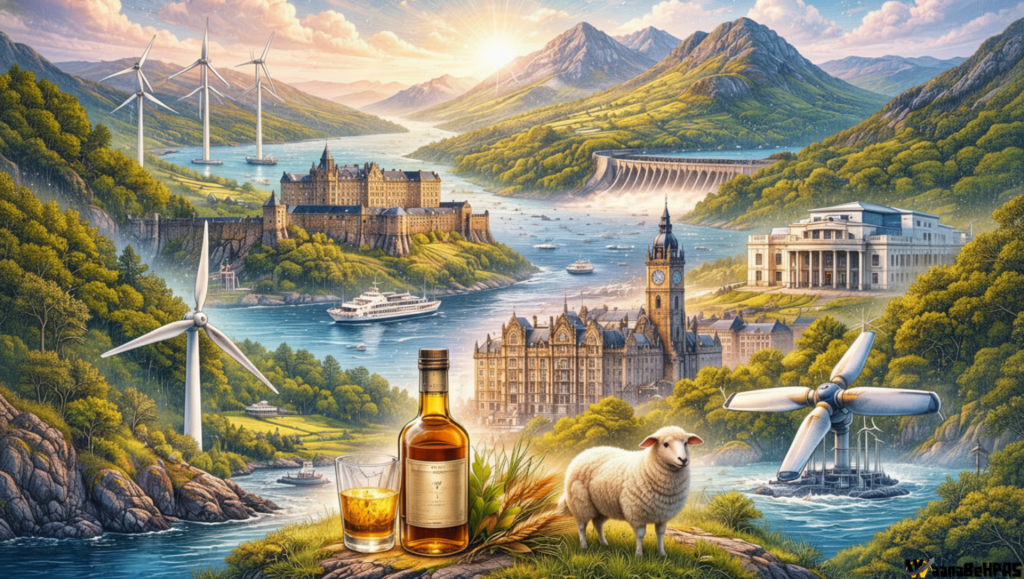
Scotland: Geography, Enlightenment Legacy, Energy Transition & the India Corridor
A Comprehensive UPSC-Oriented Strategic Analysis
I. Introduction

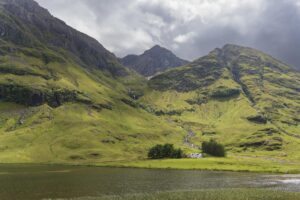
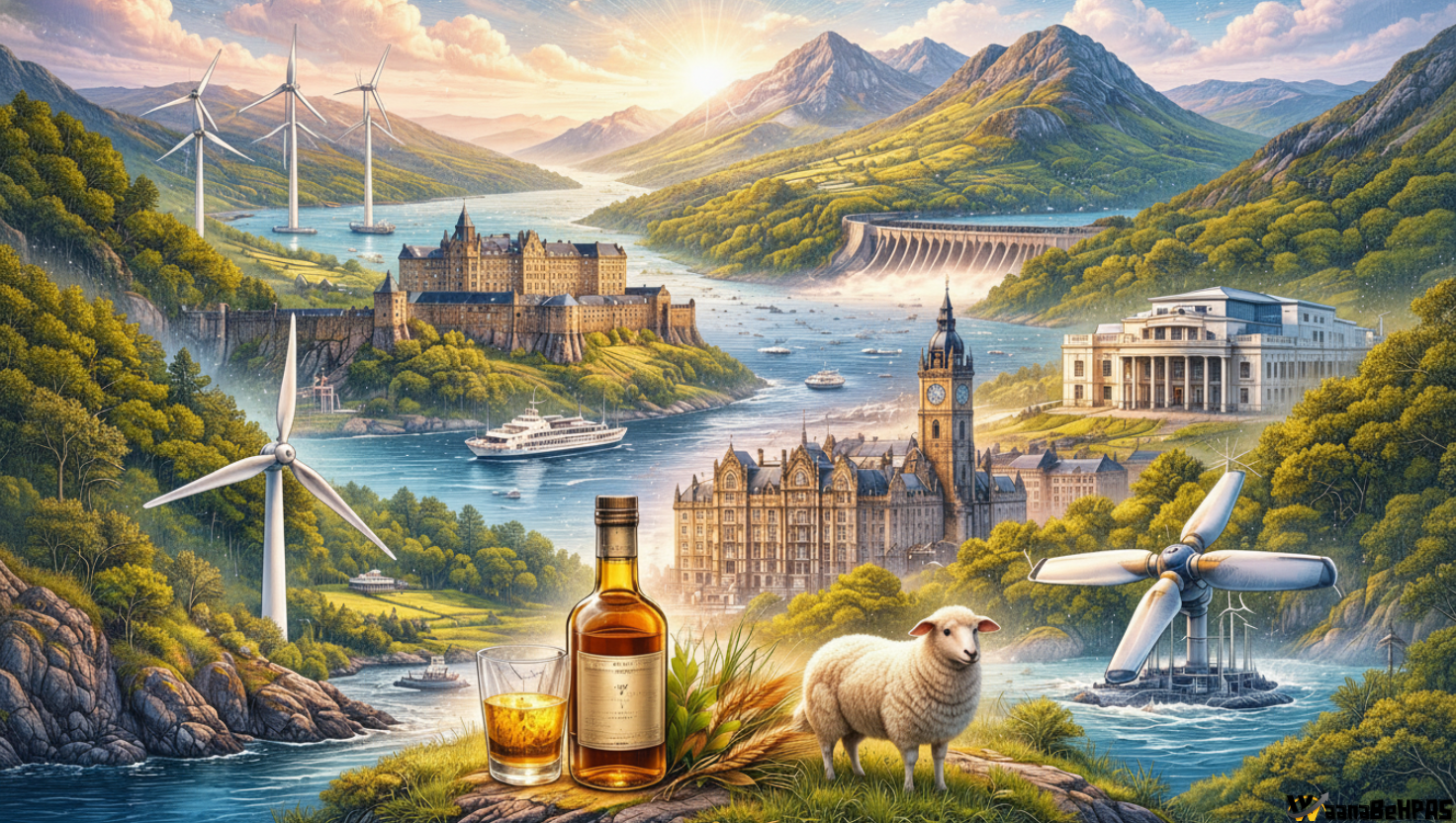
Scotland, the northern constituent nation of the United Kingdom, represents a compelling case study for UPSC aspirants. It embodies the intersection of physical geography, constitutional evolution, energy transition, intellectual soft power, and bilateral diplomacy (especially with India).
For Civil Services preparation, Scotland is relevant across:
- GS I: Physical Geography & Intellectual Movements
- GS II: Devolution, Self-determination & International Relations
- GS III: Energy Transition & Economic Geography
- Essay & Interview: Identity politics, federalism, green growth models
II. Physical Geography & Geomorphological Foundations (GS I)
1. Geological Evolution: Deep Time & Strategic Consequences
Scotland’s terrain is the result of nearly 3 billion years of tectonic activity, creating one of the most geologically diverse regions in Europe.
Major Geological Phases:
- Precambrian Era: Formation of Lewisian gneiss (among the world’s oldest rocks).
- Caledonian Orogeny (Silurian Period): Collision of Laurentia & Baltica → creation of the Highlands.
- Carboniferous Period: Equatorial climate → massive coal deposits in Lanarkshire.
- Tertiary Volcanism: Formation of the Hebrides (e.g., Skye).
This geological wealth powered the Industrial Revolution, while today the same terrain supports renewable energy dominance.
2. Physiographic Divisions
The Highland Boundary Fault divides Scotland into:
(A) Highlands
- Rugged, sparsely populated
- Home to Ben Nevis (1,346m)
- Ideal for wind & hydropower
(B) Central Lowlands (Central Belt)
- 82% population concentration
- Urban-industrial corridor: Glasgow–Edinburgh
(C) Southern Uplands
- Pastoral economy
3. Coastline & Strategic Depth
- 11,800 km indented coastline
- Fjord-like sea lochs
- Estuarine firths (Clyde, Forth, Tay)
Strategic implication:
- Deep-water offshore wind installation
- Tidal energy potential
- Maritime trade advantages
4. Hydrology
- Holds 90% of Great Britain’s freshwater
- River Tay (188 km) — longest
- Loch Ness — largest by volume
Hydropower and environmental governance now re-emerging as policy priorities.
III. The Scottish Enlightenment: Soft Power Architecture (GS I / Essay)
In the 18th century, Scotland emerged as an intellectual powerhouse.
Key figures:
- Adam Smith — Father of modern economics
- David Hume — Rational empiricism
- James Hutton — Founder of modern geology
The first Encyclopaedia Britannica (1768) was published in Edinburgh.
Structural Advantages:
- Open university system
- High literacy
- Meritocratic education
Today, Scotland leverages:
- International students
- Cultural festivals (Edinburgh Festival)
- Research excellence
Soft power projection continues to shape its global appeal.
IV. Political & Administrative Geography (GS II)
1. Devolution Framework
The Scottish Parliament (est. 1999) governs:
Devolved Powers:
- Health
- Education
- Justice
- Environment
- Limited taxation
Reserved Powers (Westminster):
- Defence
- Foreign policy
- Currency
This asymmetrical model provides a classic case of devolution within a unitary state.
2. Independence Politics
- 2014 referendum: 55% voted to remain in UK.
- Post-Brexit resurgence in independence demand.
Key political actor:
- Scottish National Party (SNP)
Comparative UPSC Angle:
- Scotland vs Catalonia vs Quebec
- Self-determination vs territorial integrity
- Democratic secession debate
V. Economic Geography & Industrial Transition (GS III)
1. From Coal to Knowledge Economy
Historically:
- Coal, iron, steel (Lanarkshire belt)
Today:
- Finance (Edinburgh)
- Technology & AI
- Renewable energy
- Whisky exports
2. Urban Economic Duality
| Glasgow | Edinburgh |
|---|---|
| Industrial powerhouse | Financial hub |
| Manufacturing & services | Banking, fintech, AI |
Edinburgh ranks among Europe’s top financial centers.
3. Aberdeen: The Just Transition Model
“Aberdeen – Oil Capital of Europe” now transitioning to:
- Offshore wind
- Hydrogen economy
- Subsea engineering exports
This reflects the global challenge of balancing:
- Fossil legacy
- Climate commitments
- Worker protection
VI. Renewable Energy Leadership (GS III – Environment & Energy)
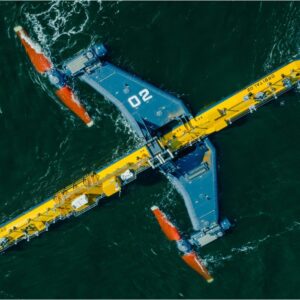
Scotland targets Net Zero by 2045.
Energy Mix:
- 62% Onshore wind
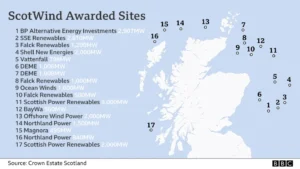
- Rapid offshore expansion (ScotWind round)
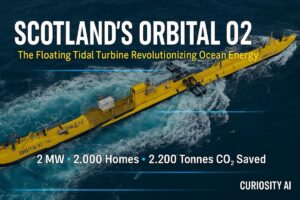
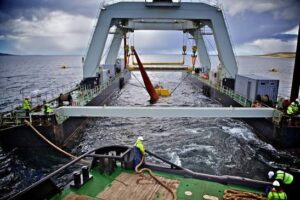
- World-leading tidal energy (Orkney – EMEC)
Strategic Lessons:
- Shift from “lowest cost” → “best value”
- Supply chain localization
- Addressing grid bottlenecks (TNUoS issue)
Comparative case:
- Denmark’s wind subsidy success (1980s)
VII. India–Scotland Strategic Corridor (GS II & III)
Bilateral trade: >£1 billion (2023).
1. Historical Linkages
- Ronald Ross
- Dundee–Kolkata jute trade
- Indian diaspora (~53,000)
2. Sectoral Synergies
(A) Whisky Trade
India is the largest whisky market by volume.
UK–India FTA may reduce 150% tariff.
(B) IT & Fintech
TCS major presence in Scotland.
(C) Renewable Energy
Green hydrogen, offshore wind collaboration.
(D) Education
Scottish universities exploring partnerships via GIFT City.
3. Regional Mapping Opportunities
| Indian State | Scottish Region | Opportunity |
|---|---|---|
| Gujarat | Highlands | Green hydrogen |
| Karnataka | Edinburgh | AI & Fintech |
| Tamil Nadu | Offshore regions | Wind infrastructure |
| Maharashtra | Speyside | Premium spirits |
This reflects strategic fusion of:
- Scotland’s R&D capacity
- India’s manufacturing scale
VIII. Maritime & Strategic Issues
Rockall Dispute
UK annexation (1972) contested by Ireland, Denmark, Iceland.
Illustrates:
- Maritime boundary politics
- UNCLOS interpretation challenges
IX. Critical Evaluation (Balanced UPSC View)
Strengths:
✔ Renewable energy leadership
✔ Knowledge-based economy
✔ Strong institutions
✔ Cultural soft power
Challenges:
⚠ Independence uncertainty
⚠ Grid infrastructure bottlenecks
⚠ Aging demographics
⚠ Post-Brexit economic adjustments
X. Conclusion
Scotland represents a rare convergence of:
- Geological depth,
- Intellectual brilliance,
- Constitutional experimentation,
- Energy transformation,
- Strategic global partnerships (including India).
Its evolution from an industrial coal economy to a renewable energy innovator makes it a vital case study in sustainable transition governance.
For UPSC aspirants, Scotland offers analytical lessons in:
- Federal asymmetry,
- Green growth economics,
- Soft power diplomacy,
- Regional nationalism in democratic frameworks.
UPSC Enrichment
Syllabus Link:
- GS I: Important geographical features & Enlightenment movements
- GS II: Federalism & international relations
- GS III: Energy resources & economic transition
Potential Mains Questions:
- “Discuss Scotland’s devolution model and its implications for federal politics.”
- “Examine Scotland’s renewable energy transition as a model for sustainable development.”
- “How can India leverage Scotland’s technological strengths in building a green economy corridor?”