White-Collar Terrorism
Syllabus: Terrorism (UPSC GS III)
Source: NDTV
Context:
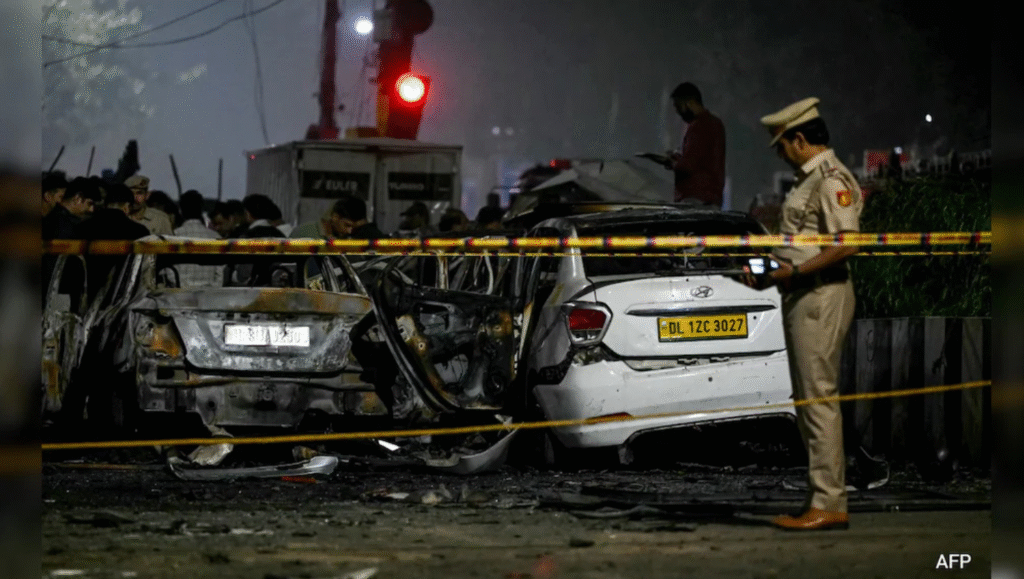
The Faridabad terror module exposed by security agencies — where doctors and engineers were found with 3,000 kg of explosives — has highlighted the rise of “white-collar terrorism”, a form of extremism driven by highly educated professionals.
What is White-Collar Terrorism?
White-collar terrorism refers to acts of extremism carried out by educated and skilled professionals such as doctors, engineers, IT workers, and academics.
These individuals use their technical expertise, social respectability, and digital networks to plan sophisticated attacks while blending into normal society.
Key Characteristics
- Educated Radicalisation: Involvement of middle-class, urban, and professionally trained individuals.
- Ideology-Driven: Motivated by ideological or moral grievances rather than poverty.
- High Technical Skills: Use of engineering, coding, medicine, chemistry, and logistics to improve terror operations.
- Digital Radicalisation: Recruitment and indoctrination through online channels and encrypted apps.
- Camouflage in Society: Their professional identity makes detection by intelligence agencies difficult.
- Moral Justification: Violence is often reframed as a “moral duty” or “spiritual obligation.”
Why Is This a Growing Issue?
1. Educated People in Terror Ranks
Examples from global terrorism show similar patterns:
- Al-Zawahiri (Al-Qaeda) – surgeon
- Abu Bakr al-Baghdadi (ISIS) – PhD scholar
2. Psychology of “Humiliated Excellence”
Radicalisation often stems from a sense of moral injury or ideological exclusion, not deprivation.
3. Digital Echo-Chambers
Online groups reinforce extremist thinking, making radicalisation faster and more secretive.
4. Intellectualisation of Violence
Highly educated radicals justify terrorism as a righteous mission, not a crime.
5. Spread Across Ideologies
Seen in religious, nationalist, and separatist movements globally.
Implications for India
1. Breakdown of Public Trust
Terror involvement by professionals like doctors or engineers undermines confidence in respected professions.
2. More Sophisticated Terror Attacks
Technical expertise improves bomb-making, cyber activities, and operational planning.
3. Harder for Agencies to Detect
Their clean backgrounds and professional cover make them invisible to traditional profiling systems.
4. Increased Social Polarisation
Their ideological rigidity can fuel community tensions and moral extremism.
5. Global Networking
Professionals have easier access to international funding, academic networks, and digital tools.
How Should India Respond?
1. Ethical and Value-Based Education
Promote critical thinking, empathy, and civic responsibility (aligned with NEP 2020).
2. Family and Community Awareness
Strengthen local support systems to identify early signs of radicalisation.
3. De-Radicalisation and Counselling
Use psychological support, mentorship, and rehabilitation for vulnerable individuals.
4. Smart Digital Surveillance
Monitor extremist content with proper checks and balances to protect privacy.
5. Strengthen Professional Accountability
Add strict ethical codes for doctors, engineers, teachers, and other sensitive sectors.
6. Inclusive Civic Spaces
Encourage open dialogue, grievance redressal, and youth engagement to prevent ideological isolation.
Conclusion
White-collar terrorism shows that extremism today is driven by conviction, not ignorance.
India must adopt a combined strategy of ethical education, digital monitoring, psychological support, and inclusive governance to counter both violent actions and extremist beliefs.