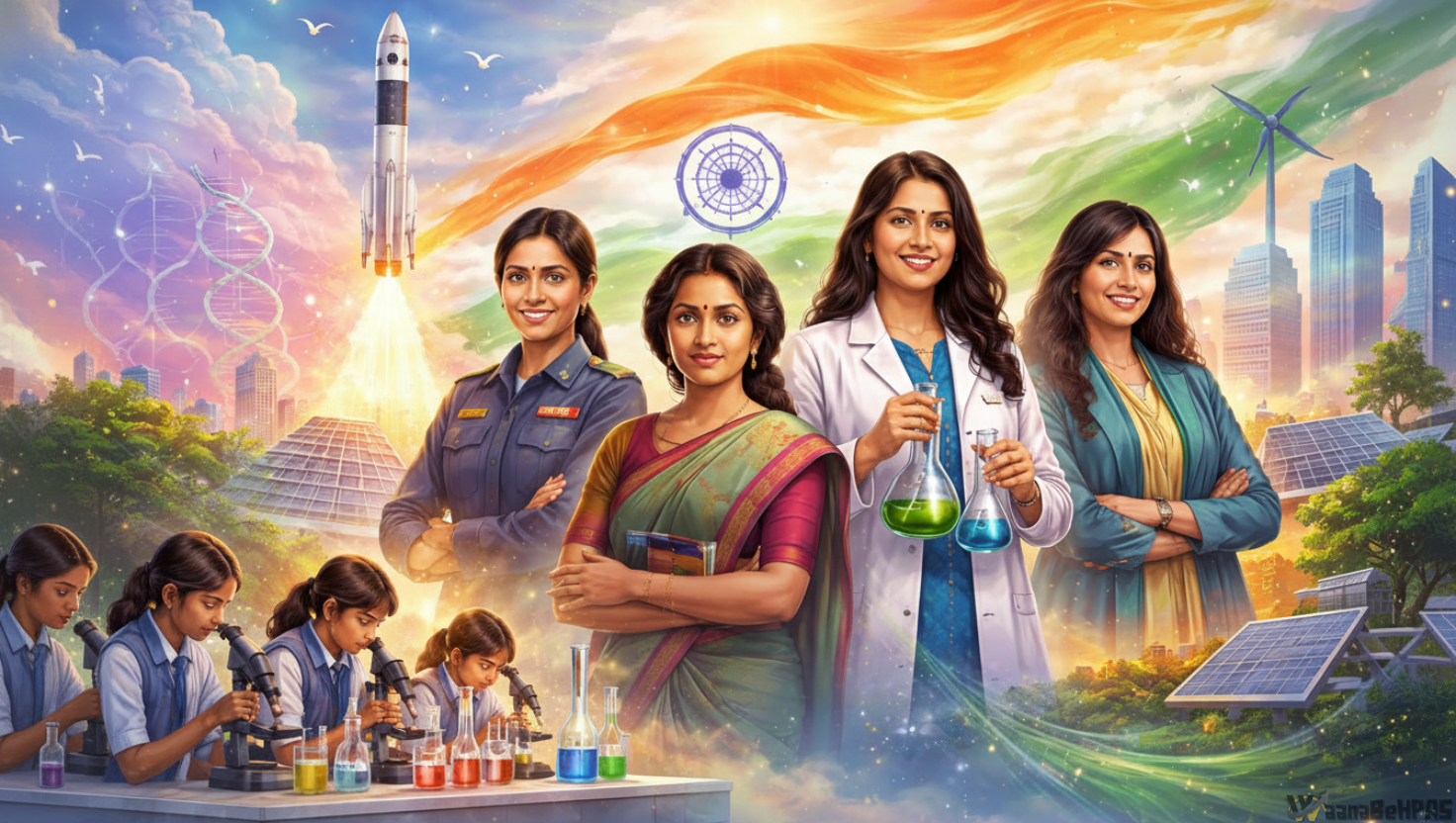
National Science Day 2026: Women in Science Powering India’s Journey to Viksit Bharat 2047
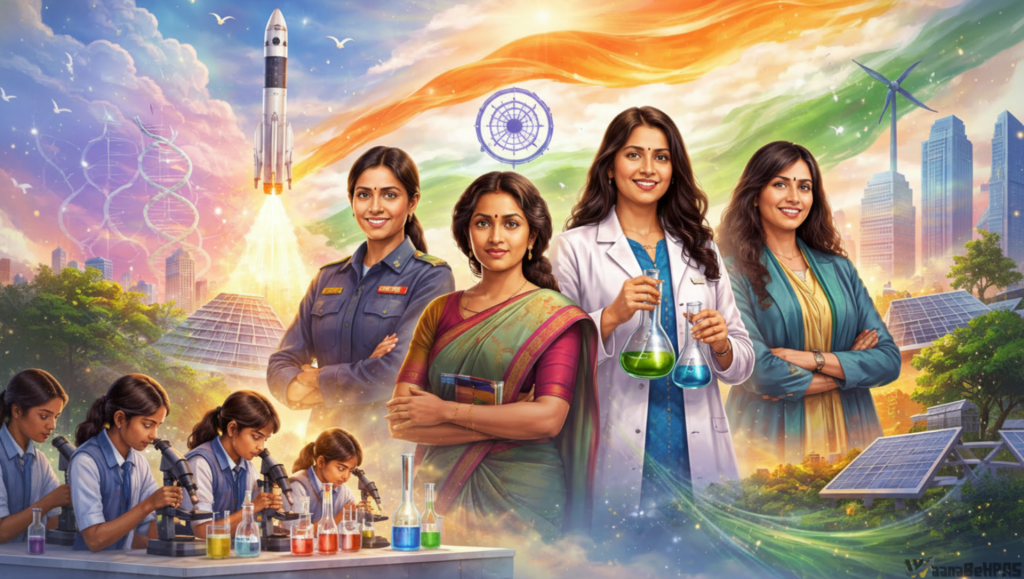
Theme– Women in Science: Catalyzing Viksit Bharat
C. V. Raman and the Foundation of Scientific Temper
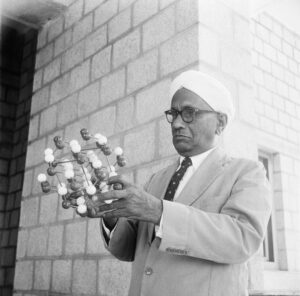
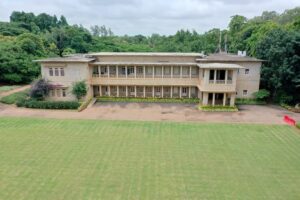

National Science Day (NSD) is observed every year on 28 February, commemorating the discovery of the Raman Effect in 1928 by C. V. Raman, who later became the first Indian to win the Nobel Prize in Physics (1930).
🔬 The Raman Effect – Technical Understanding (Prelims Angle)
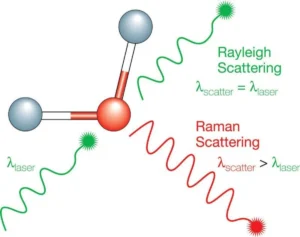
The Raman Effect refers to the inelastic scattering of light. When monochromatic light passes through a transparent medium, a small fraction of light undergoes a change in wavelength due to molecular interaction.
➡ This wavelength shift acts as a molecular fingerprint, forming the basis of Raman Spectroscopy, widely used in chemistry, material science, pharmaceuticals, and forensic science.
🏛 Constitutional Context (GS-II Linkage)
National Science Day is not merely commemorative. It operationalizes Article 51A(h) of the Indian Constitution, which mandates every citizen:
“To develop scientific temper, humanism and the spirit of inquiry and reform.”
Thus, NSD is a policy instrument for cultivating scientific temper, democratizing science, and nurturing human capital for a knowledge economy.
🎯 2026 Theme: “Women in Science: Catalyzing Viksit Bharat”
The 2026 theme marks a decisive policy shift — from viewing women as beneficiaries of inclusion to recognizing them as co-architects of India’s development.
📌 Strategic Alignment
- Directly linked to the Viksit Bharat 2047 Vision
- Connects gender equity + innovation economy
- Frames inclusion as an economic necessity, not social charity
A developed India cannot emerge if half its intellectual capital remains underutilized.
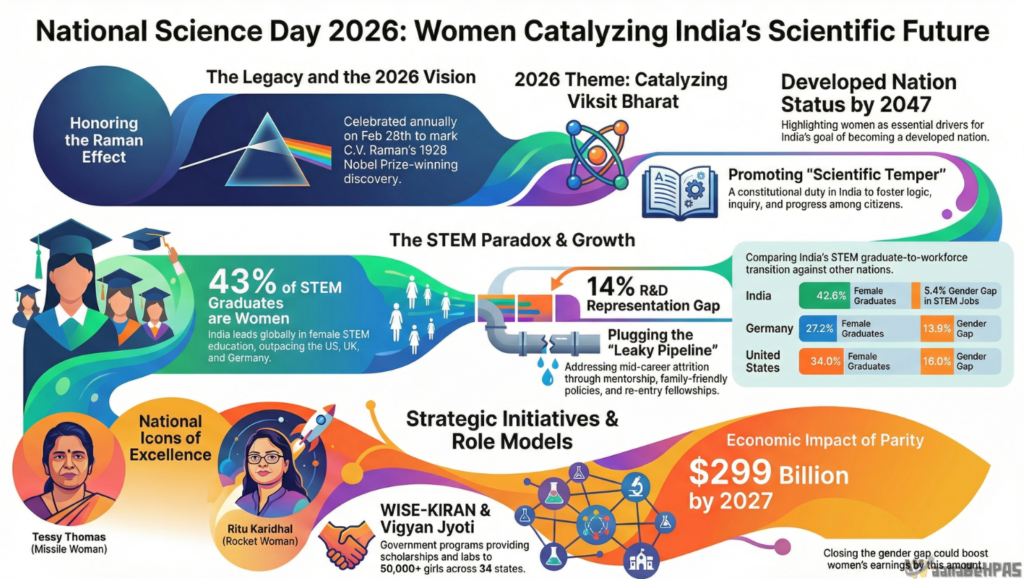
📊 The Indian STEM Paradox (Data-Driven Analysis)
India presents a striking paradox:
| Indicator | Data |
|---|---|
| Female STEM Graduates | ~43% (higher than US, EU) |
| Women in R&D Workforce | ~18–19% |
| Women in Senior Leadership (VP/C-Suite) | ~12–14% |
🔎 The “Leaky Pipeline” Problem
- Entry-level representation is moderate.
- Sharp drop at mid-career.
- Severe underrepresentation in leadership and decision-making roles.
This attrition represents a systemic loss of innovation capacity.
👩🔬 Heritage of Excellence: From Pioneers to Space Leaders
🌺 Early Pioneers
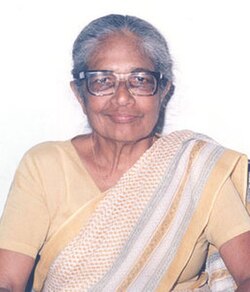
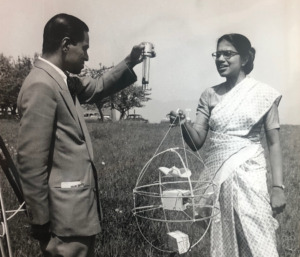
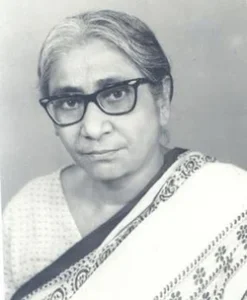
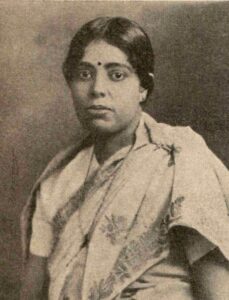
- Janaki Ammal – Pioneer in plant cytogenetics.
- Asima Chatterjee – Medicinal chemistry, anti-malarial drugs.
- Kamala Sohonie – Nutrition science breakthroughs.
- Anna Mani – Indigenous meteorological instrumentation.
These scientists succeeded despite institutional resistance, laying the foundation for gender inclusion in Indian science.
🚀 Contemporary Mission Leaders
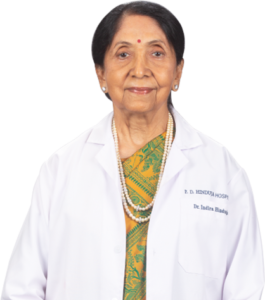
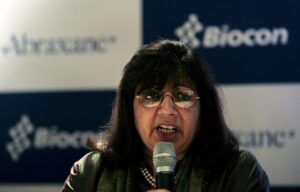
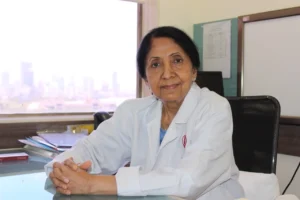
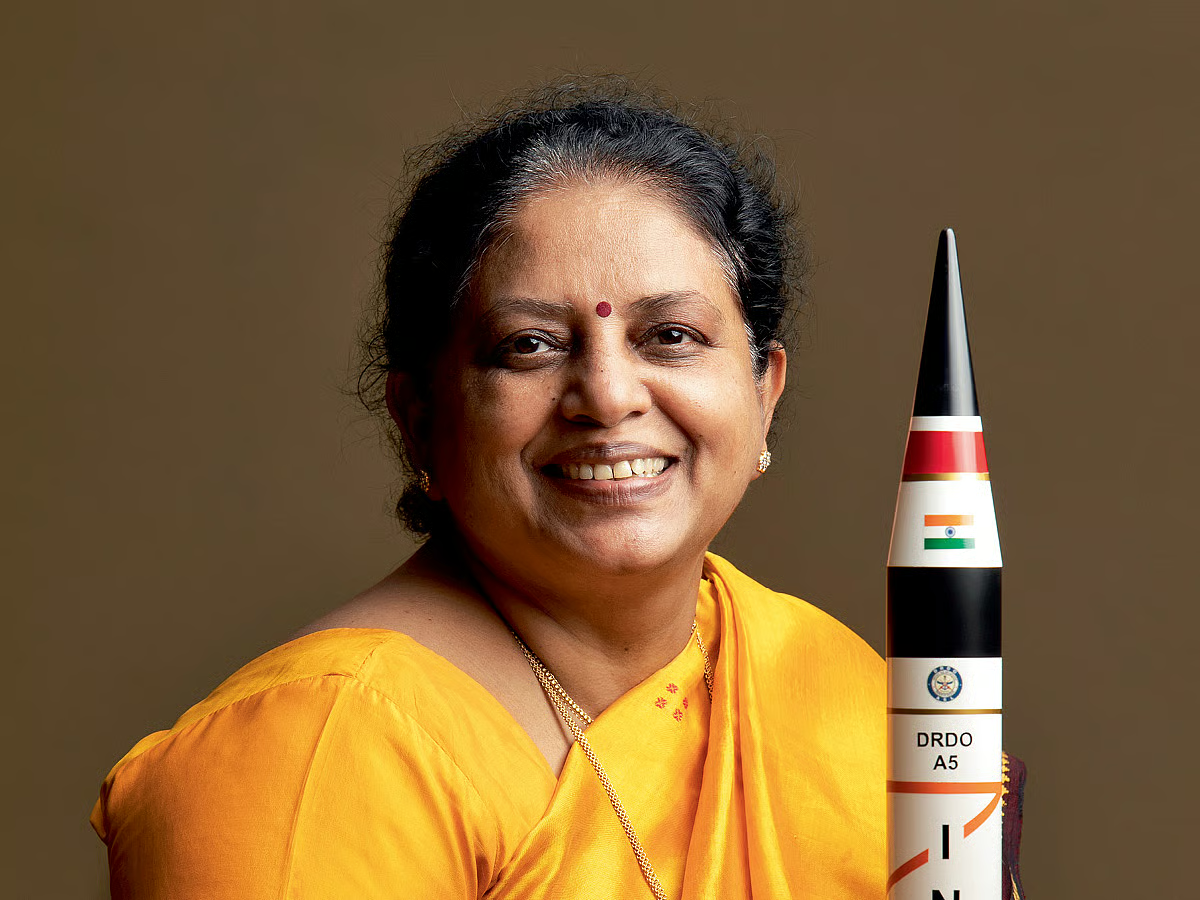
- Tessy Thomas – Led Agni missile projects (DRDO).
- Kiran Mazumdar-Shaw – Founder of Biocon; global biopharma leader.
- Indira Hinduja – Delivered India’s first IVF baby.
- Chandrayaan-3 – Women formed ~27% of senior executive roles; over 100 women in mission-critical functions.
Women are now central to India’s emergence as a space and biotech power.
🏛 Institutional Framework: Lifecycle Policy Approach
India’s strategy spans the entire academic and professional lifecycle.
1️⃣ Foundational Reform
National Education Policy 2020
- Shift from rote learning to inquiry-based, interdisciplinary education.
- Encourages girls’ early exposure to STEM.
2️⃣ Early-Stage Interventions
- Vigyan Jyoti – Encourages rural girls into STEM.
- Pragati Scholarship – Financial aid for technical education.
3️⃣ Research & Re-Entry
- WISE-KIRAN / WOS – Fellowships for women returning after career breaks.
- BioCARe (DBT) – First extramural funding for women scientists.
4️⃣ Institutional Culture Reform
- GATI Charter – Gender equity benchmarking in institutions.
- CURIE Programme – Infrastructure strengthening in women’s universities.
⚠ Funding Gap
NEP recommends 6% of GDP for education, while current spending remains around ~4%.
Scaling gender initiatives requires fiscal prioritization.
🏢 Corporate Catalysts: Industry as Equal Partner
Industry participation bridges the skill gap in emerging technologies.
| Sector | High-Growth Skills |
|---|---|
| IT | Generative AI, ML, Blockchain |
| EV | Battery tech, Motor design |
| Pharma | Health informatics, Precision medicine |
| Chemicals | Automation, Robotics |
Programs by companies like EY, IBM, Infosys, Tata, and L&T are creating structured pipelines for girls in tech.
🚧 Barriers to Equity
1️⃣ Domestic Time Burden
Women spend ~7.2 hours daily on unpaid domestic work vs 2.8 hours for men.
2️⃣ Professional Roadblocks
- Motherhood penalty
- Unconscious bias
- Male-dominated lab culture
3️⃣ Economic Constraints
High coaching costs discourage STEM education for girls in low-income households.
These structural factors — not capability — limit participation.
🧭 Strategic Roadmap for Viksit Bharat
- Scale rural STEM outreach
- Institutionalize mentorship networks
- Expand financial scholarships
- Introduce family-friendly R&D workplaces
- Celebrate women scientists year-round
Gender inclusion is not social symbolism — it is innovation economics.
📝 UPSC Relevance
📘 Prelims
- Raman Effect (conceptual understanding)
- Article 51A(h)
- Key schemes: Vigyan Jyoti, WISE-KIRAN, GATI
- Chandrayaan-3 participation data
📗 GS-III
- Science & Technology for development
- Human capital and demographic dividend
- Innovation ecosystem and R&D reforms
📙 GS-II
- Gender empowerment policies
- Constitutional duties
- Institutional reforms
📕 Essay Themes
- “Scientific temper as a foundation of democracy”
- “Women-led development is the new paradigm”
🔚 Conclusion: Diversity as Strategic Capital
A historic photograph from the Indian Institute of Science in the 1970s showed a handful of pioneering women. Today, those pioneers have evolved into mission directors, biotech founders, and aerospace leaders.
National Science Day 2026 marks a turning point — from symbolic inclusion to structural transformation.
If India fully harnesses its 43% female STEM talent pipeline, it will not merely achieve Viksit Bharat 2047 —
it will define the global benchmark for inclusive scientific leadership.