Strategic Realignment in West Asia
Syllabus: UPSC GS II (International Relations) and GS Paper III (Internal Security & Defence Technology)
PM Modi’s 2026 Address to the Knesset and the Transformation of India–Israel Relations
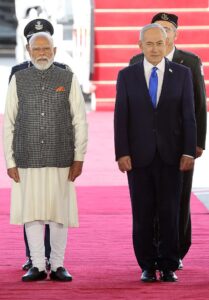
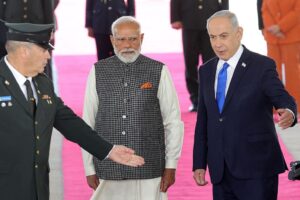
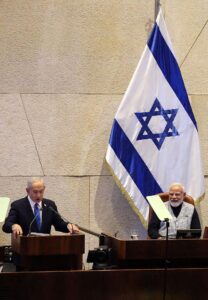
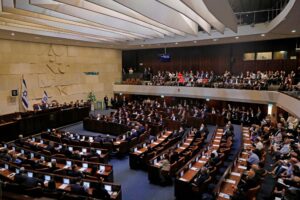
Prime Minister Narendra Modi’s February 2026 state visit to Israel marks a decisive turning point in India’s West Asia policy. His address to the Knesset was not merely ceremonial—it symbolized a structural transformation in India–Israel relations: from a transactional buyer–seller dynamic to a deeply integrated strategic partnership grounded in shared security imperatives, civilizational narratives, and technological interdependence.
This visit reflects India’s evolution from a cautious balancer to an active architect of regional order in West Asia.
I. From Pragmatism to Civilizational Partnership
1. The “Blood and Sacrifice” Narrative
In his Knesset address, PM Modi reframed bilateral ties as being “written in blood and sacrifice,” invoking:
- Over 4,000 Indian soldiers who died in the region during World War I
- Parallels between the October 7 Hamas attacks and the 26/11 Mumbai attacks
- Shared democratic resilience in hostile security environments
By linking terrorism faced by Israel and India, Modi reinforced India’s zero-tolerance doctrine against terrorism—positioning both nations as victims of radical extremism.
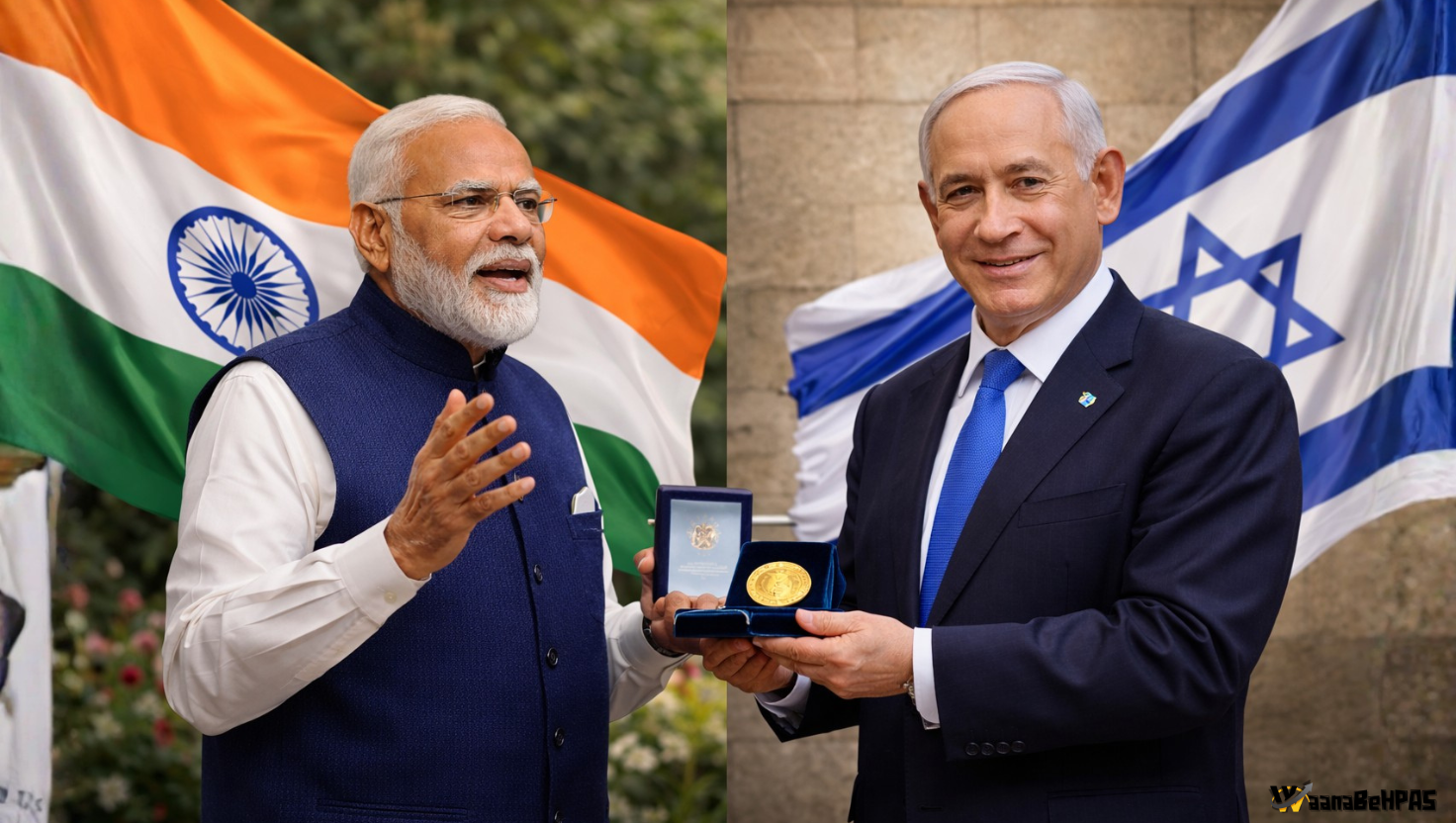
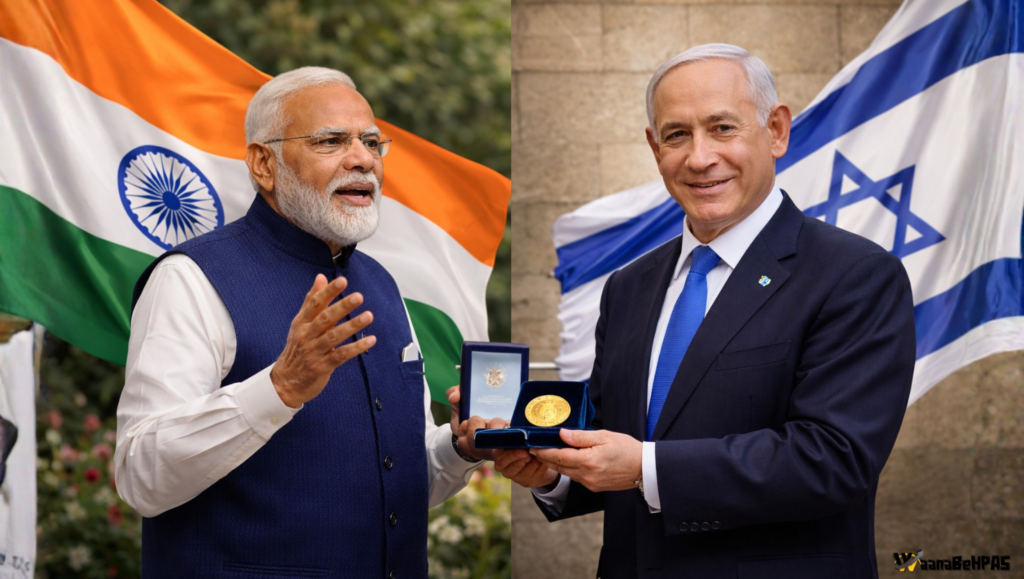
The conferral of the Speaker of the Knesset Medal on Modi symbolized bipartisan Israeli endorsement of the partnership and validated India’s long-term diplomatic investment.
2. Strategic De-Hyphenation: A Matured Doctrine
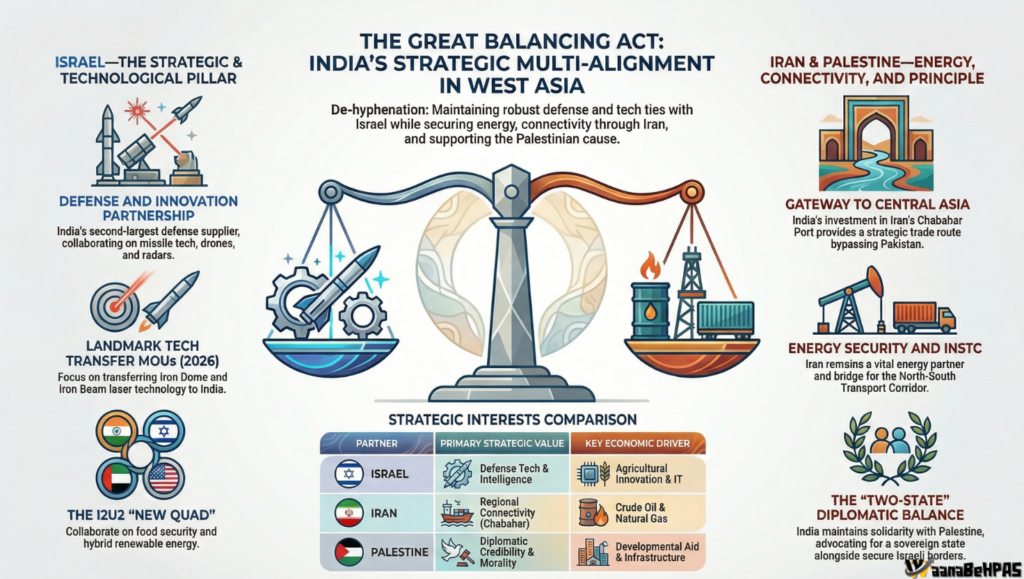
India’s West Asia policy has transitioned from Cold War “hyphenation” (Israel vs. Palestine) to strategic de-hyphenation, where each relationship is treated independently.
India:
- Deepens defence and technology ties with Israel
- Continues support for a two-state solution for Palestine
- Condemns unilateral West Bank expansion in multilateral forums
- Maintains strategic connectivity and energy ties with Iran
This calibrated approach allows India to preserve credibility in the Global South while strengthening hard-power capabilities.
II. The Defence Paradigm Shift: From Procurement to Co-Development
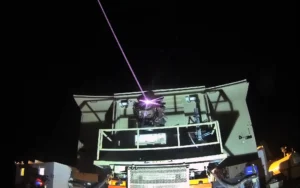

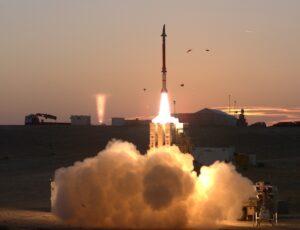
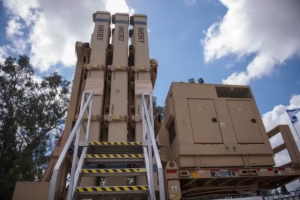
The 2026 MoUs represent a qualitative transformation in defence cooperation—from arms imports to technology transfer and joint development under “Make in India.”
Key Systems Targeted for Integration
| System | Capability | Strategic Utility for India |
|---|---|---|
| Iron Beam | 100 kW laser | $2-per-shot counter-drone defence; saturation response |
| Iron Dome | 4–70 km intercept | Tactical border & drone protection |
| David’s Sling | Up to 300 km | Neutralizes tactical ballistic missiles |
| Arrow System | Exo-atmospheric | Upper-tier strategic missile shield |
| Golden Horizon (Sparrow successor) | Mach 5; 1,000–2,000 km | Potential first-strike air dominance capability |
| SPICE kits & Air LORA | Precision-guided | Long-range standoff strike capability |
Strategic Outcome
India aims to build a multi-layered missile shield—often conceptualized as a “Sudarshan Chakra” architecture—by 2035, protecting:
- 15,000+ km land borders
- 7,500+ km coastline
- Critical infrastructure & airspace
The Iron Beam laser system is particularly transformative, drastically lowering interception costs against drone swarms—a tactic increasingly used by regional adversaries.
This marks India’s shift toward:
- Technological sovereignty
- Hypersonic integration
- Layered air defence deterrence
III. Navigating the Diplomatic Minefield: The Balancing Act
1. U.S.–Iran Tensions
India must carefully manage:
- U.S. sanctions on Iran
- The strategic importance of Chabahar Port
- Energy security and connectivity to Central Asia
While strengthening ties with Israel and the U.S., India avoids becoming part of any overt anti-Iran military bloc.
2. Palestine and Global South Legitimacy
Despite the warmth in Jerusalem, India joined over 100 nations in condemning Israeli settlement expansion in February 2026.
This allows India to:
- Retain moral capital in the Global South
- Uphold international law rhetoric
- Preserve diplomatic flexibility
This is New Realism, not ideological abandonment.
IV. I2U2 and the Indo-Abrahamic Architecture
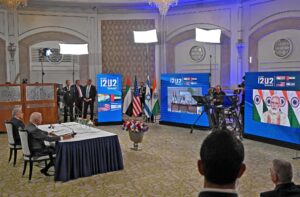
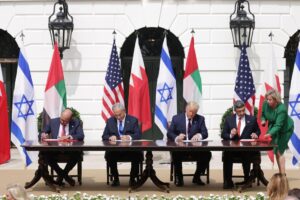
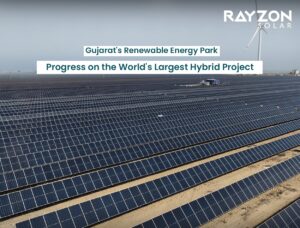
The I2U2 framework (India–Israel–UAE–USA) represents a new form of minilateral geo-economics, emerging from the Abraham Accords ecosystem.
Core Areas of Cooperation:
- Renewable energy (e.g., 300 MW hybrid project in Gujarat)
- Food security (UAE-funded integrated food parks in India)
- Water & desalination technologies
- Space and digital connectivity
- Logistics corridors linking the Mediterranean to the Indian Ocean
I2U2 is not a military alliance—it is a geo-economic multiplier that allows India to:
- Expand Western partnerships beyond the Indo-Pacific
- Avoid formal treaty constraints
- Maintain strategic autonomy
V. The “Hexagon of Alliances” and Regional Security
Israeli proposals for a “Hexagon of Alliances” including India, Mediterranean states (Greece, Cyprus), Arab partners, and African actors reflect Israel’s vision of a counter-radicalization bloc.
India’s approach remains pragmatic:
- Engage for counter-terrorism cooperation
- Avoid anti-Iran entanglement
- Retain independent decision-making
This demonstrates India’s rise as a regional security manager, not a subordinate ally.
VI. Ideational Shift: From Nehruvian Moralism to Strategic Realism
The visit sparked domestic debate within India.
Critics contrasted Modi’s embrace of Israel with the legacy of Jawaharlal Nehru’s pro-Palestinian orientation. However, contemporary policy reflects:
- Shift from moral positioning to strategic integration
- Emphasis on technological leverage
- Security-first diplomacy
India’s foreign policy today balances principle with power.
VII. Implications for 21st-Century Global Governance
The 2026 state visit reveals two major structural shifts:
1. Minilateralism as Core Strategy
India prefers flexible groupings (I2U2, IMEC-type corridors) over rigid alliances.
2. Civilizational Diplomacy
Shared narratives—democracy, trauma, resilience—create ideological glue beyond arms trade.
VIII. Strategic Synthesis
The Indo-Israeli partnership now rests on three pillars:
- Hard Power Integration – Missile defence, hypersonic systems, drone warfare adaptation
- Geo-Economic Hedging – Connectivity corridors, renewable energy, trade architecture
- Diplomatic Autonomy – Balanced ties with Israel, Iran, Palestine, U.S., and Gulf states
India is no longer a passive observer in West Asia. It is:
- A defence technology integrator
- A connectivity architect
- A balancing power in a multipolar order
Conclusion
PM Modi’s 2026 Knesset address crystallizes India’s transformation into an assertive, pragmatic, and technologically ambitious power in West Asia.
By combining:
- Civilizational rhetoric
- Advanced military integration
- Strategic de-hyphenation
- Minilateral geo-economics
India has embedded itself as a central pillar in the emerging regional order.
The Indo-Israeli “eternal friendship” is no longer symbolic—it is structural.
And in a century defined by fragmentation and flux, India’s West Asia strategy demonstrates a refined doctrine:
Balance power, preserve principle, and build partnerships that endure.