India’s First Port-Based Green Hydrogen Pilot Project at V.O. Chidambaranar (VOC) Port
Syllabus: Environment (UPSC Prelims)
Source: DD News
Context:
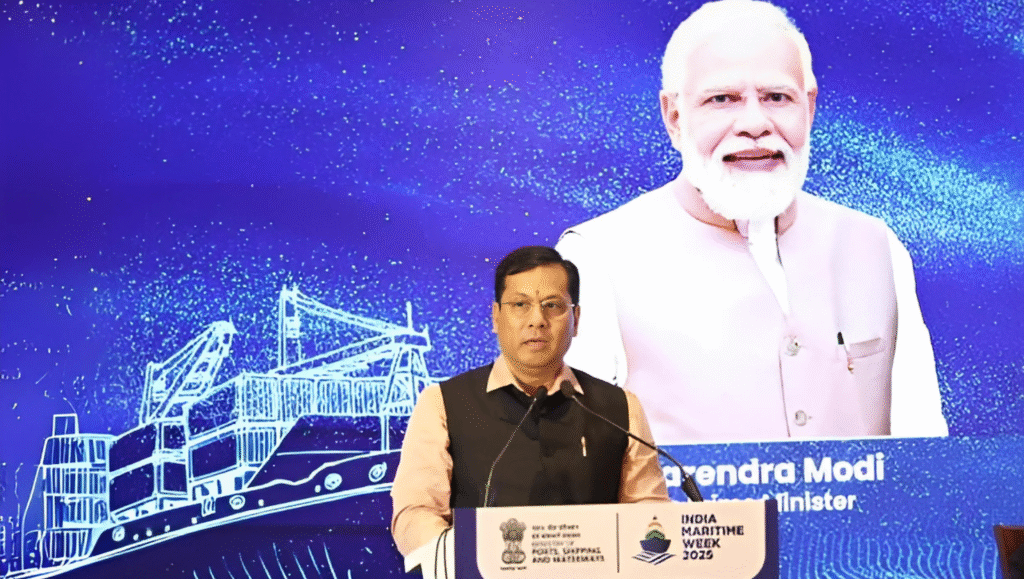
Union Minister inaugurated India’s first port-based Green Hydrogen Pilot Project at V.O. Chidambaranar (VOC) Port, Tamil Nadu, making it the country’s first port to produce green hydrogen.
What is the Project?
- A pilot facility producing green hydrogen at VOC Port, Tuticorin.
- Capacity: 10 Nm³ per hour, built at a cost of ₹3.87 crore.
- Part of India’s clean energy transition and Coastal Green Shipping Corridor (Kandla–Tuticorin) initiative.
- Supports Viksit Bharat 2047 and Sagarmala programme goals.
Objectives
- Promote green shipping and sustainable energy use in ports.
- Reduce dependence on fossil fuels for port operations.
- Establish VOC Port as a hub for green bunkering and refuelling in South India.
Key Features
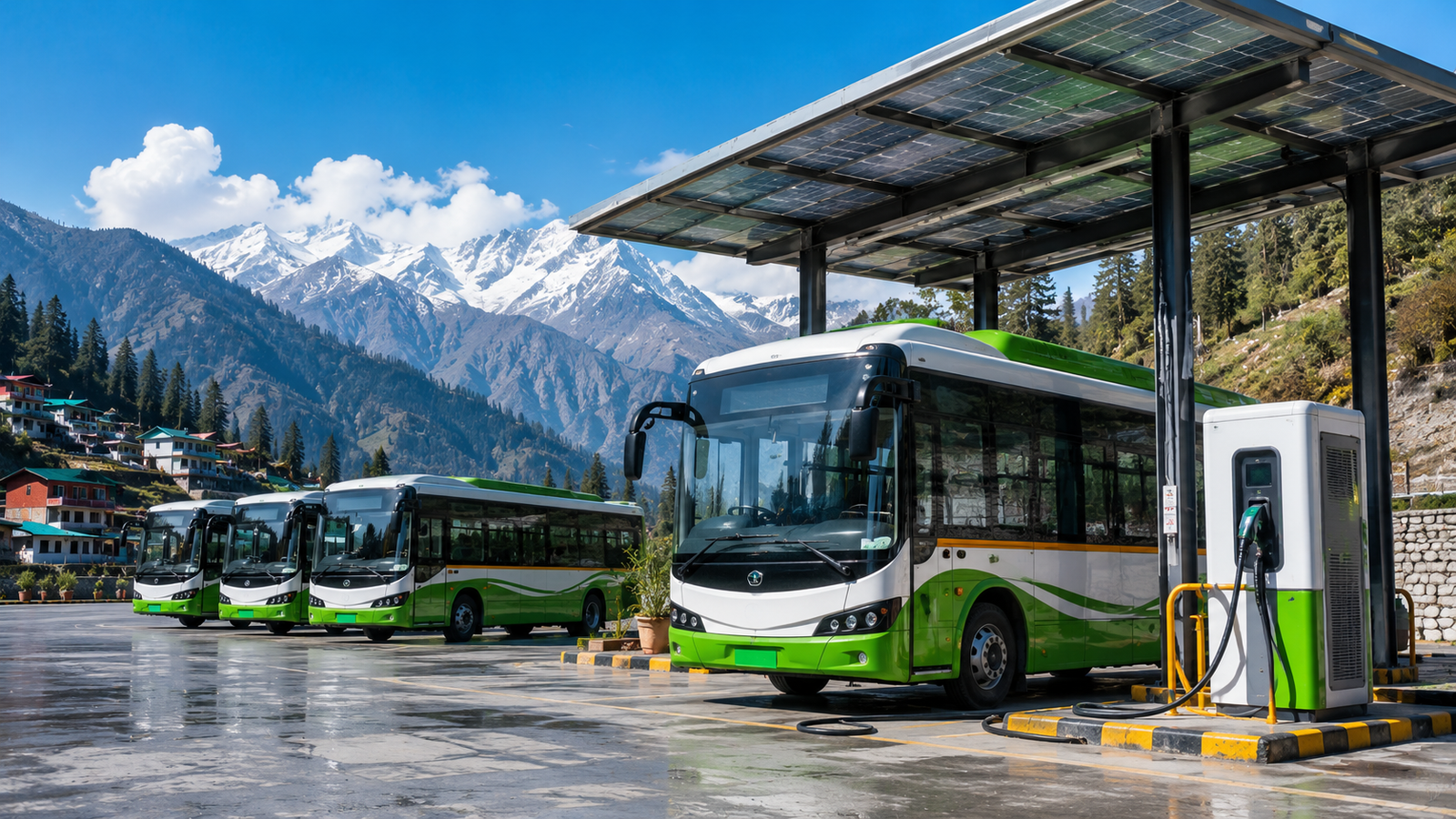
- Powers streetlights and EV charging stations within the port area.
- Linked with the proposed Green Methanol Bunkering and Refuelling Facility (₹35.34 crore, 750 m³ capacity).
About V.O. Chidambaranar (VOC) Port
- One of India’s 13 major ports and a key maritime gateway for South India.
- Located in Tuticorin, Tamil Nadu, along the Coromandel Coast of the Bay of Bengal.
- Formerly Tuticorin Port, renamed in 2011 to honour freedom fighter V.O. Chidambaranar (“Kappalottiya Tamizhan”).
- Plays a major role in regional trade, coal handling, and container transport.
- Modernisation under Sagarmala has seen investments of over ₹16,000 crore.