Preamble of the Indian Constitution
Introduction
- The American Constitution was the first to start with a Preamble. India followed this practice.
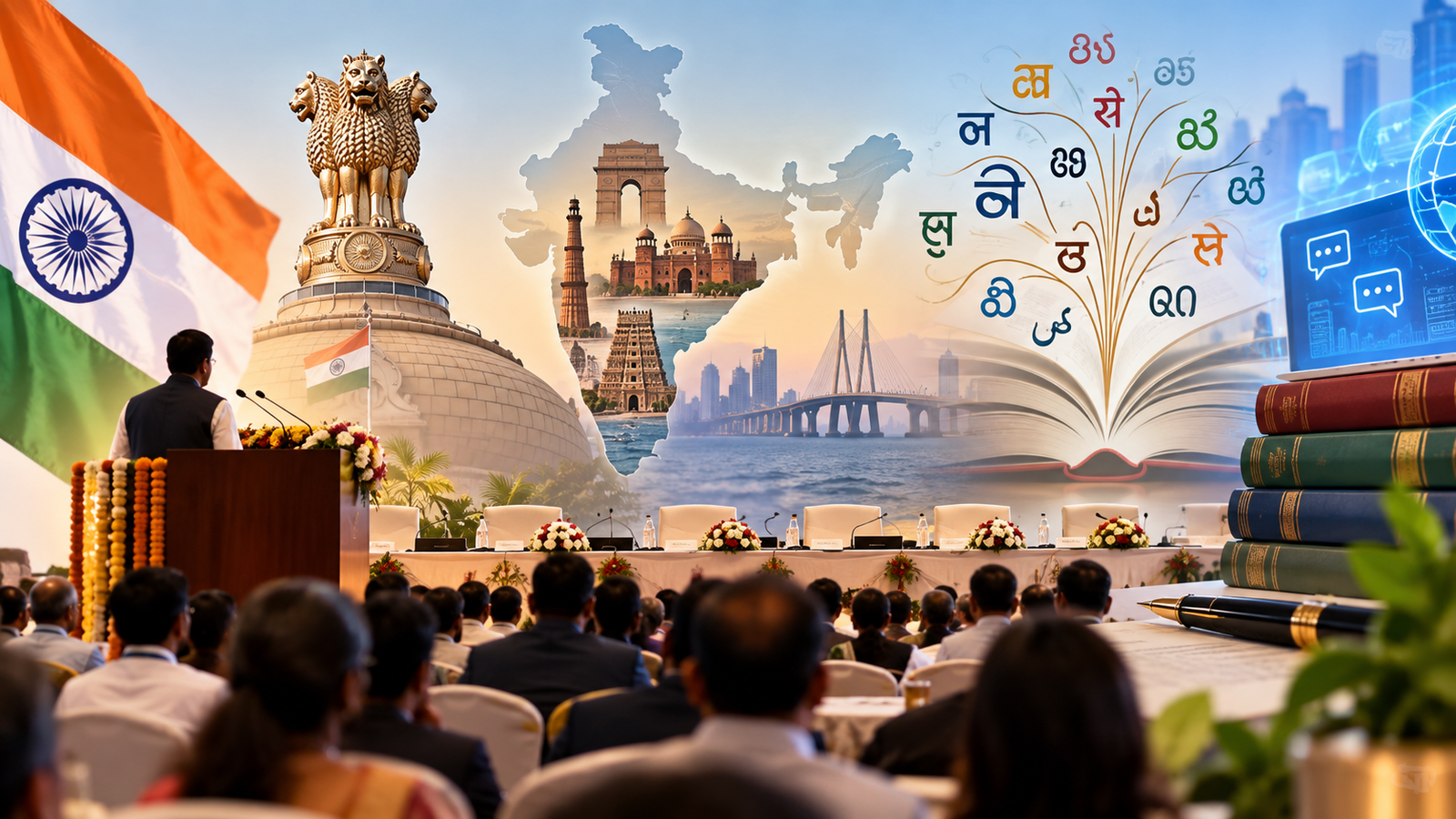
- A Preamble is the introduction to the Constitution. It reflects its essence and philosophy.
- N.A. Palkhivala called it the “identity card of the Constitution.”
- The Indian Preamble is based on the Objectives Resolution (moved by Jawaharlal Nehru in 1946, adopted in 1947).
- It was amended only once, by the 42nd Constitutional Amendment Act (1976), which added three words – Socialist, Secular, Integrity.
Text of the Preamble
It declares India to be a Sovereign, Socialist, Secular, Democratic, Republic and secures to its citizens:
- Justice – social, economic, political
- Liberty – of thought, expression, belief, faith, worship
- Equality – of status and opportunity
- Fraternity – assuring dignity of the individual and unity & integrity of the Nation
Adopted on 26th November 1949; enforced on 26th January 1950.
Key Ingredients of the Preamble
- Source of Authority – derives power from the people of India.
- Nature of State – Sovereign, Socialist, Secular, Democratic, Republic.
- Objectives – Justice, Liberty, Equality, Fraternity.
- Adoption Date – 26th November 1949.
Explanation of Keywords
- Sovereign – India is independent in internal and external matters. Membership in UN or Commonwealth does not dilute sovereignty.
- Socialist – Indian socialism is democratic socialism, not communism. It supports a mixed economy. Directive Principles reflect socialist ideals.
- Secular – State has no official religion, treats all religions equally (positive secularism). Ensured by Articles 25–28.
- Democratic – Based on popular sovereignty. India has a parliamentary democracy with universal adult franchise, periodic elections, rule of law, independent judiciary.
- Republic – Head of State (President) is elected, not hereditary. No privileged class; all offices open to citizens.
- Justice – Social (end of caste, gender, religious inequalities), Economic (reduced income/wealth disparities), Political (equal political rights). Inspired by Russian Revolution (1917).
- Liberty – Freedom of thought, expression, belief, faith, worship. Not absolute, subject to reasonable restrictions. Inspired by French Revolution.
- Equality – Equality before law, prohibition of discrimination (Articles 14–18), political equality (adult suffrage), economic equality (Directive Principles).
- Fraternity – Brotherhood among citizens, ensuring dignity of the individual and unity & integrity of the nation. Supported by Fundamental Duties (Article 51A).
Significance of the Preamble
- Reflects the philosophy and vision of the Constitution makers.
- Called the “soul of the Constitution”, “key to the Constitution”, and the “horoscope of our Republic.”
- Serves as a guide for interpreting constitutional provisions.
Preamble as Part of the Constitution
- Berubari case (1960): SC said it is not part of the Constitution.
- Kesavananda Bharati case (1973): SC overruled, held it is part of the Constitution, but not enforceable in courts (non-justiciable).
- LIC case (1995): Reaffirmed its integral status.
Amendability of the Preamble
- SC (Kesavananda Bharati, 1973) held that the Preamble can be amended under Article 368, but basic features cannot be altered.
- Amended only once by the 42nd Amendment (1976) – added Socialist, Secular, Integrity.
✅ UPSC Relevance:
- Preamble is part of the Constitution but non-justiciable (Not Liable to trial in a court of justice).
- Acts as a guiding light for interpreting the Constitution.
- Direct questions are often asked in Prelims (keywords, amendments, cases), and Mains (philosophy, significance, link with basic structure).